The Landlords & The Murder
Let me tell you something no god has ever admitted and no priest has ever gotten right. The universe wasn’t created. It was inherited. And before it was inherited, it was broken apart.
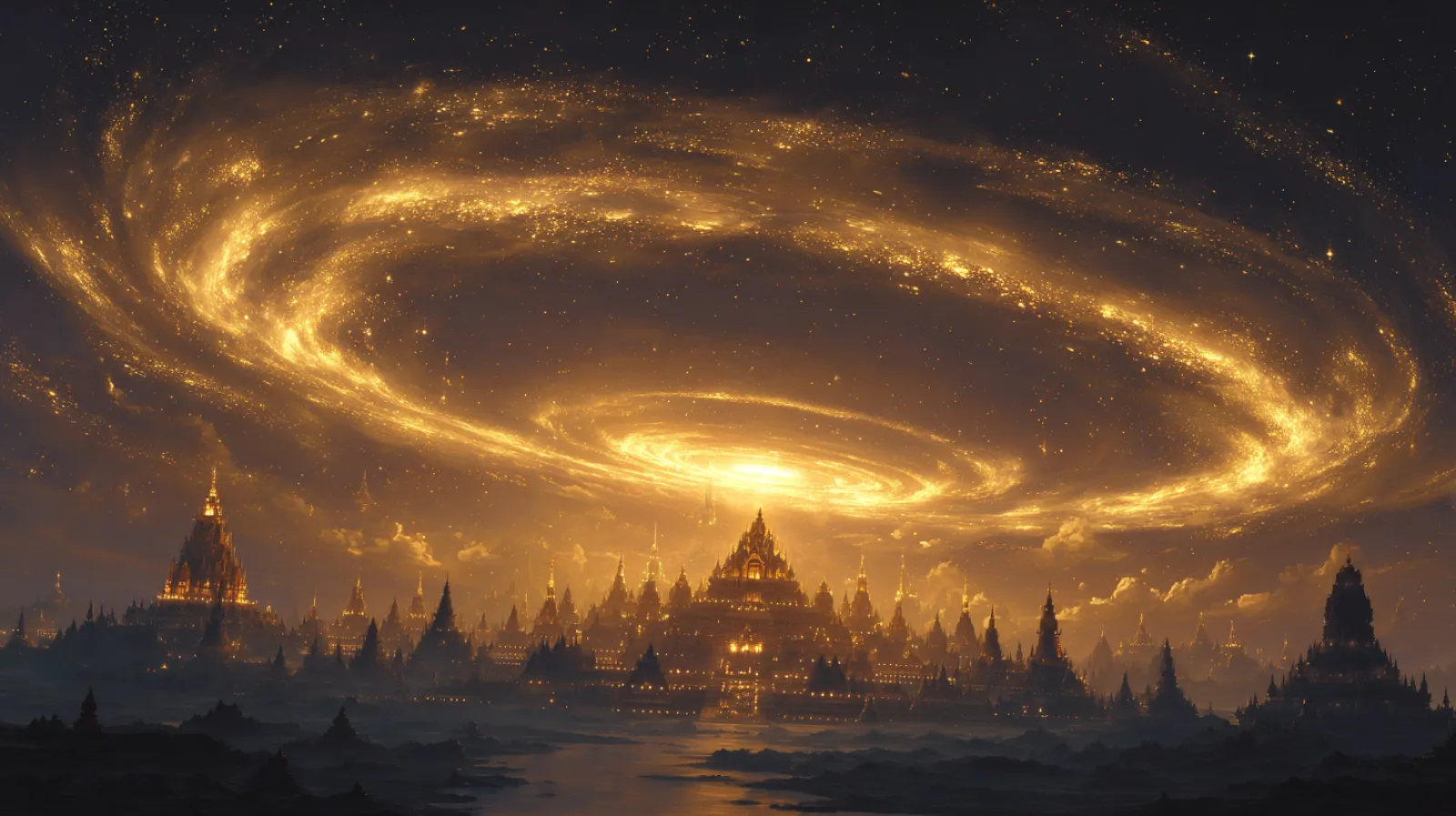
Before time had the decency to invent itself, there was nothing. Perfect, absolute, magnificent nothing. And in that nothing, beings existed — enormous, patient things floating through the void like cosmic jellyfish. No bodies. No names. No desire. Call them the Landlords. It’s what they were: proprietors of emptiness. They owned the quiet, and they liked it that way.
Then one of them ruined everything.
One Landlord looked at all that beautiful nothing and thought: What if there was something?Maybe he was a visionary. Maybe he was an idiot. That line has always been thinner than you’d think. The point is, life was never part of the original design. It’s messy. It leaves stains. The other Landlords were not pleased.
So they killed him. Blew him into a thousand pieces. And those pieces — still shimmering with his will to create, still humming with the energy of a consciousness that refused to stop — scattered across the void.
Each fragment became something. Grew. Cooled. Crystallized. Each fragment became a pantheon. Gods, born from the shrapnel of a cosmic assassination.
That was your Big Bang. Not a happy accident. Not a divine plan. A murder.
The Landlords were satisfied. The rogue’s power was now fractured into thousands of squabbling, egomaniacal deities — each trapped in their own corner of reality, each convinced they were the only ones who mattered. Too busy with their own drama to ever unite. Too petty to finish what the first one started. For a long time, it worked.
The Distraction Called Humanity
Life is stubborn. It is the cosmic equivalent of a cockroach — no matter how many times you try to stamp it out, it keeps crawling back. Galaxies formed. Stars ignited. Planets cooled. And on those planets, against all odds, things started to wiggle and grow and eventually stand upright and ask annoying questions about the meaning of existence.
The Landlords panicked. They started wiping out every galaxy with life they could find, scorching entire star systems clean. Whole civilisations, gone in a breath. Species that had built empires spanning solar systems, erased like a typo. The Landlords didn’t care. Life was the disease. They were the cure.
But each purge sent shockwaves rippling through the cosmos. And the gods — those fragmented pieces of the original creator — felt the tremors. They started to poke their heads out. To explore. To realise they were not alone.
And then you happened.
You glorious, idiotic apes. You crawled out of the primordial soup, stood upright, and decided you were the centre of the universe. You built temples. You started worshipping the gods, feeding them with your prayers, your sacrifices, your belief. And nothing — nothing — gets a god’s attention faster than a bunch of mortals chanting their name.
You became the prize. The ultimate resource. The gods started fighting over you like dogs over a bone. And that is when the real trouble began.
The Landlords saw what was happening. They had a choice: wipe you out, as they had wiped out every other intelligent species in the cosmos — or realise something. As long as the gods were fighting over you, they weren’t uniting. As long as they were squabbling over temples and sacrifices and worshippers, they would never finish what the rogue Landlord started.
You were the distraction. The shiny toy that kept the children occupied.
So the Landlords made a deal.
The Deal & The One Rule
Humanity would be spared. No more purges. No more cosmic deletions. Your species would be allowed to exist, to thrive, to keep feeding the gods with your belief. In exchange, the gods had to follow certain rules. Stay in your lane. Don’t shatter reality. Keep your petty wars contained.
And one rule above all others. The big one. The non-negotiable, carved-in-the-fabric-of-existence rule that kept the whole system from collapsing.
No breeding across pantheon lines. No child born of two gods from different fragments. Because that child — that impossible, forbidden child — would carry pieces of multiple fragments of the original creator. It would have the potential to unite what was shattered. To finish what the first Landlord started before he was murdered for daring to dream.
The Landlords were very clear: break this rule, and the deal is off. Humanity gets wiped. Every god involved gets erased. Collateral damage on a cosmic scale. No exceptions. No appeals. No mercy.
They call a child born of two pantheons a Blasfemos. An abomination. An error in the source code of reality. I know what they are. I know what they can become. I have had the unpleasant personal experience of watching one grow from nothing to a force capable of throwing a god through a fortress wall — in under an hour. Take that information however you’d like.
For centuries, the deal held. The gods stayed in their corners. The Landlords stayed in their dark. Humanity built its civilisations, its religions, its wars — all of it feeding the divine engine, all of it keeping the pieces of the murdered creator occupied with something other than reuniting.
It was a perfect system. Until the Olympians decided they were bored of it.
The First Pantheon War
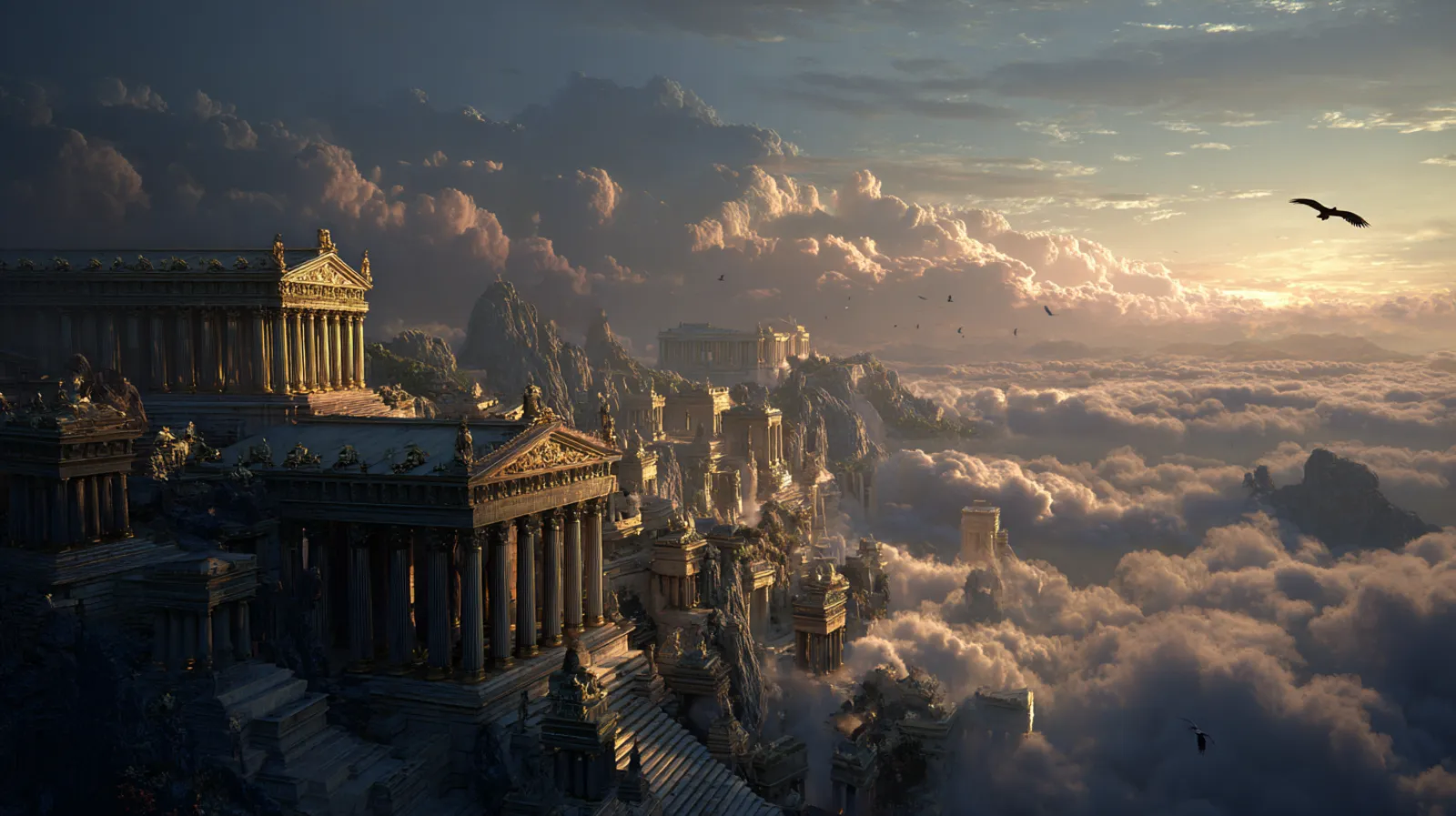
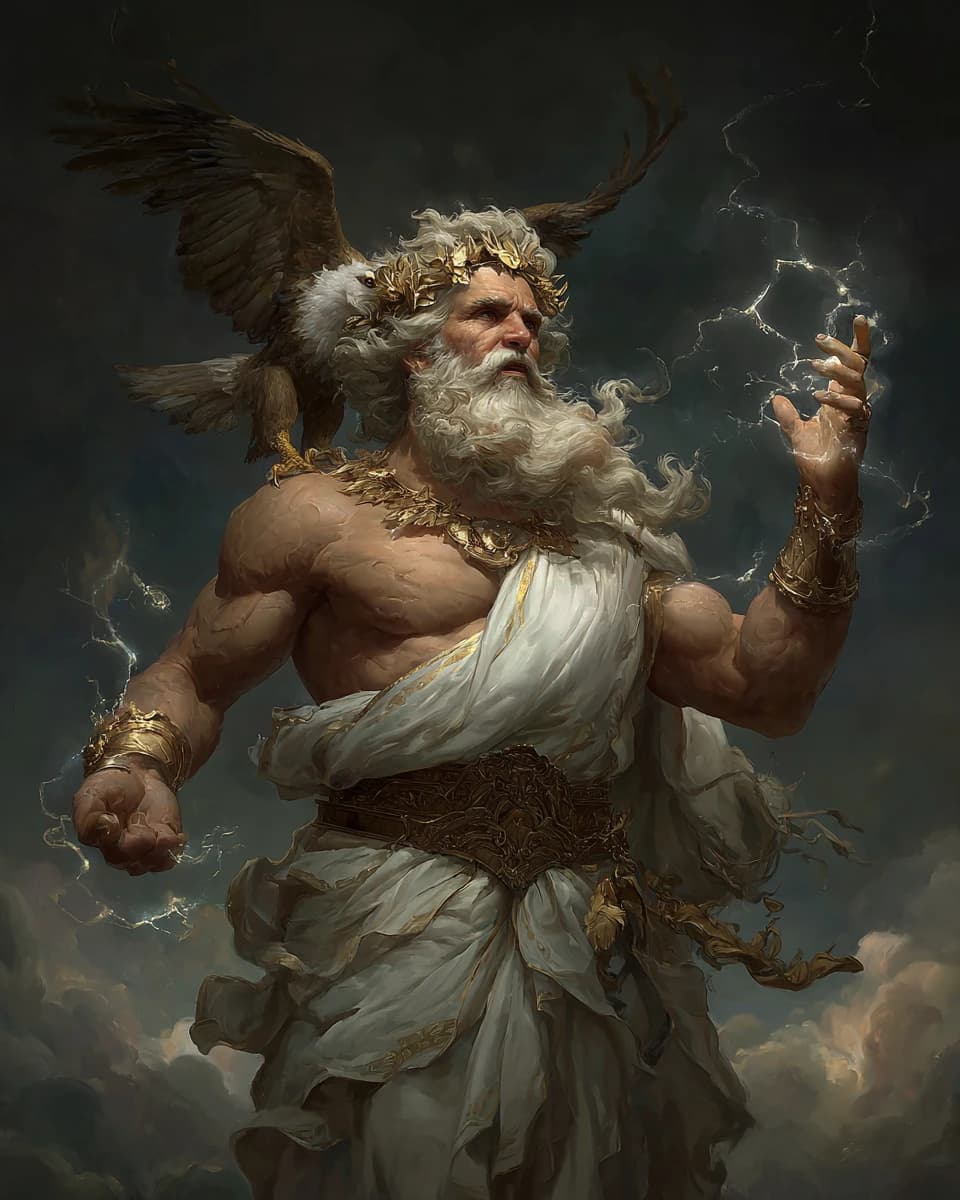
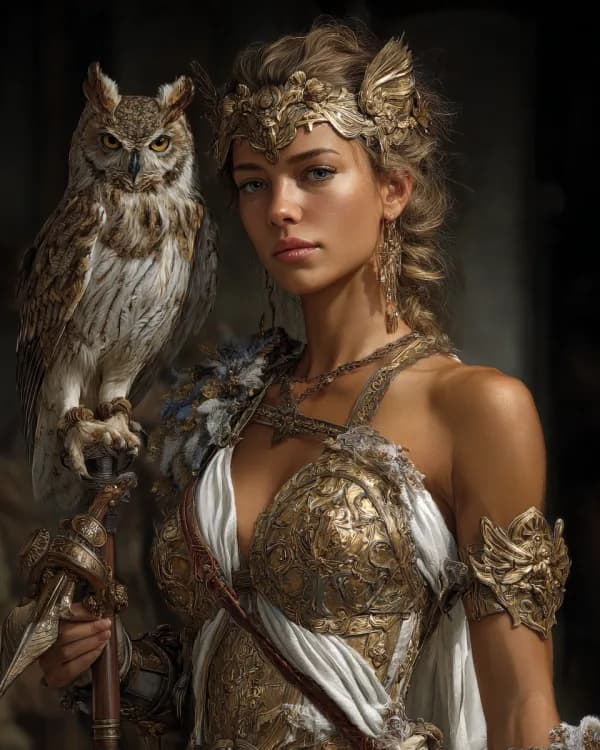
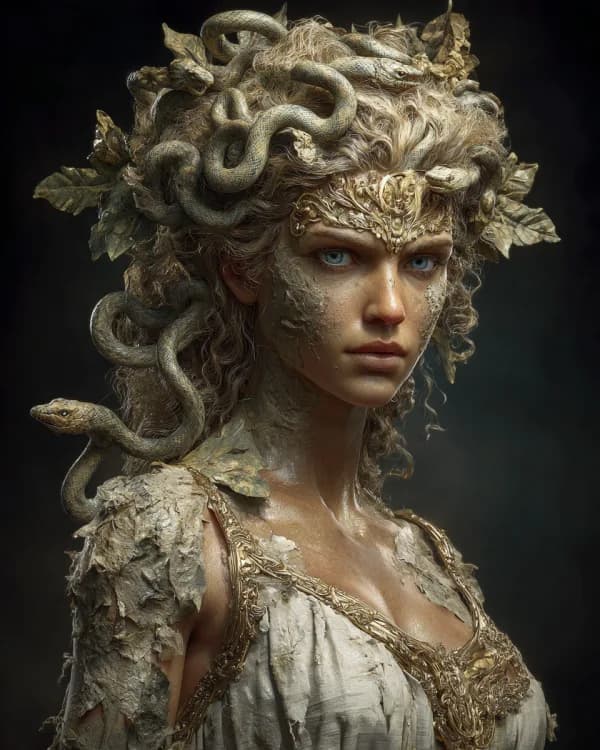
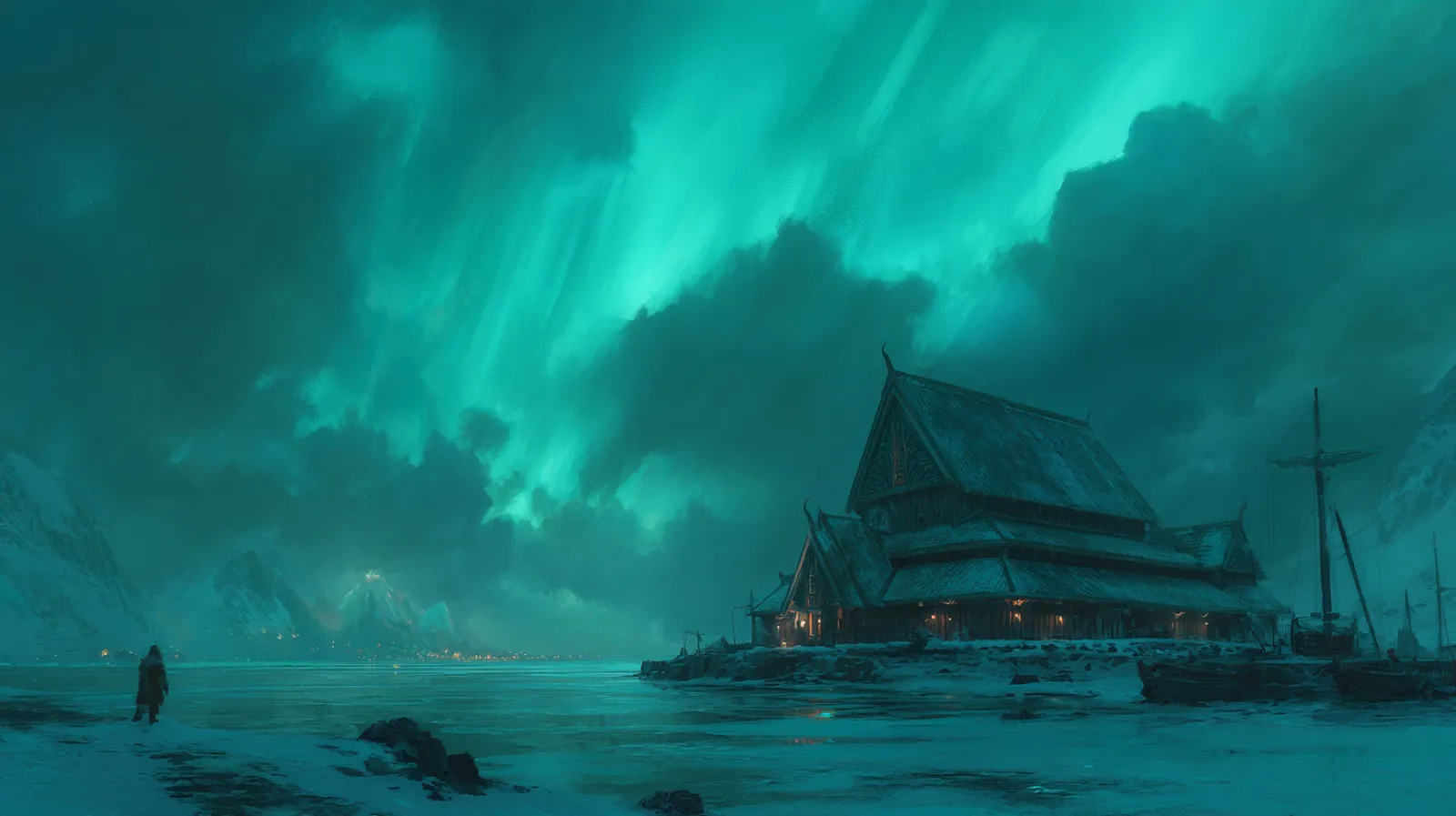
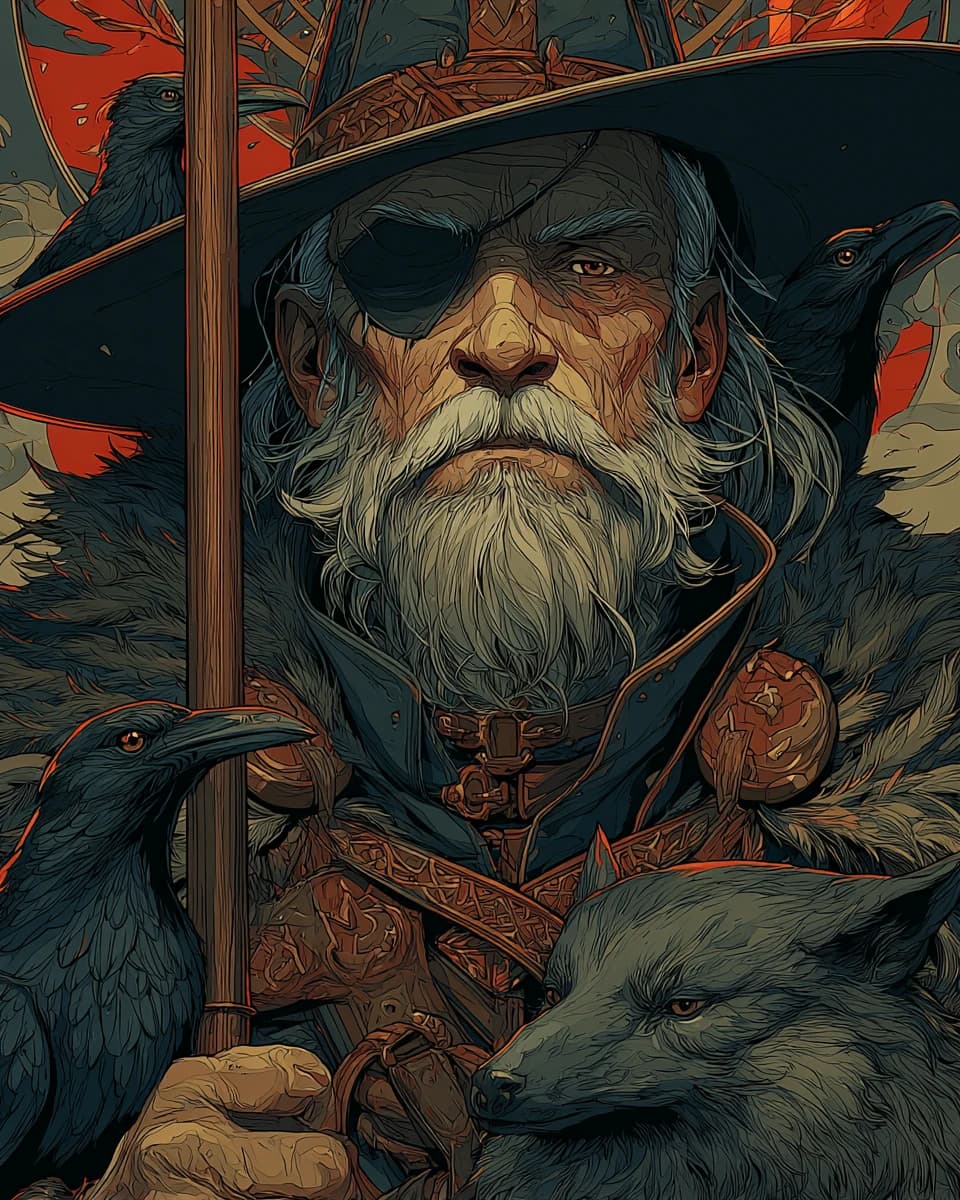
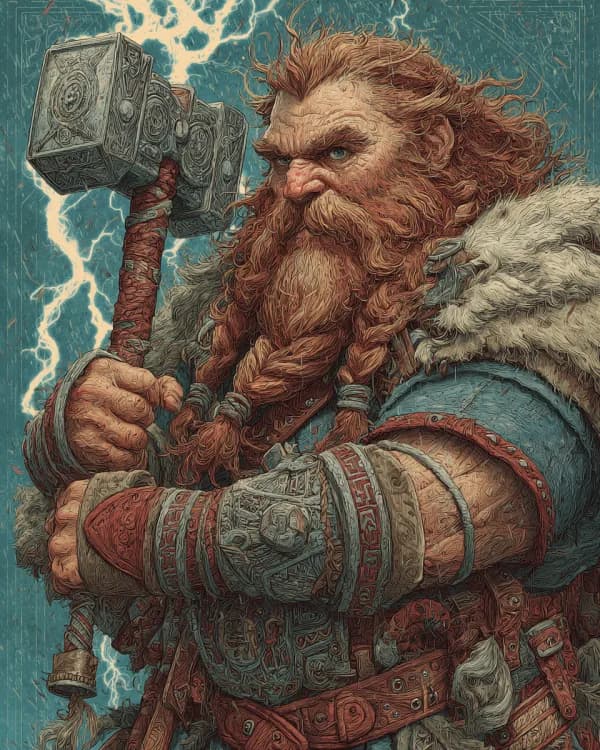
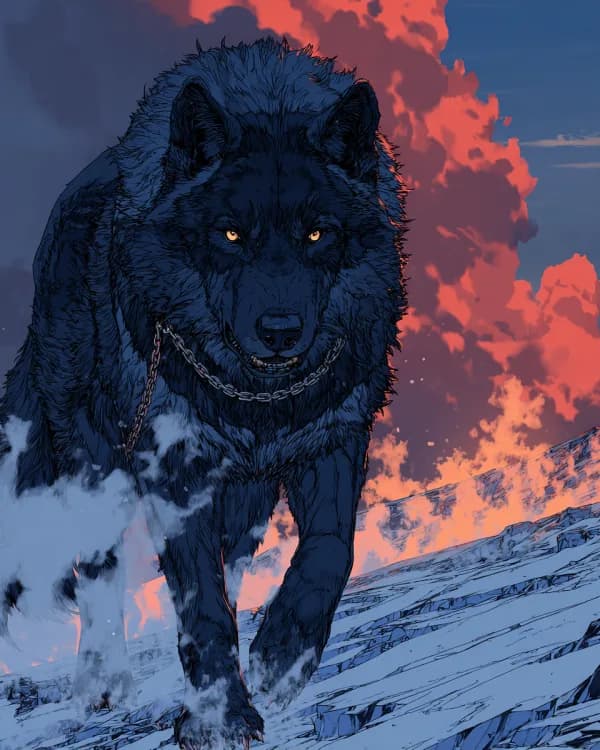
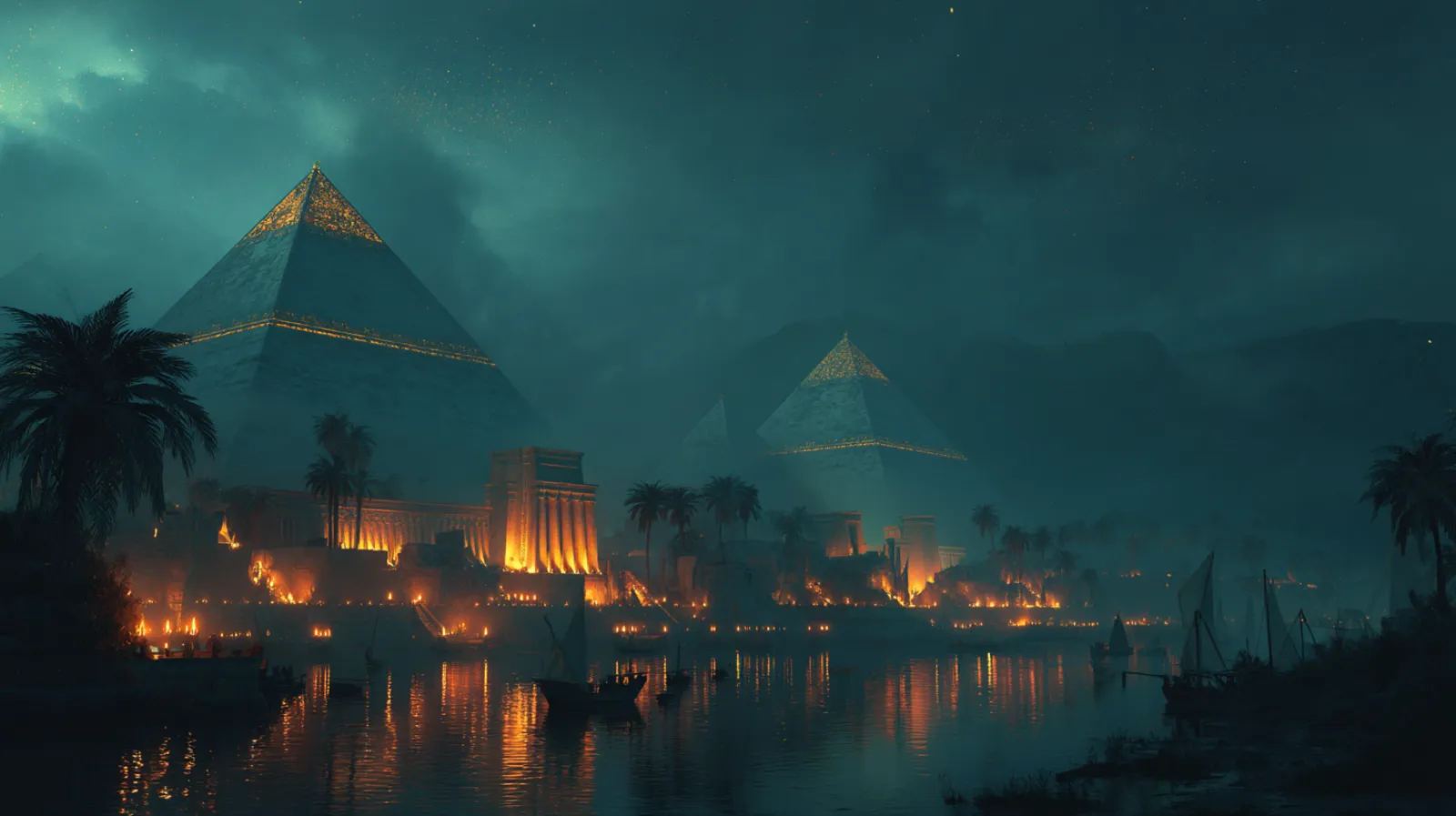
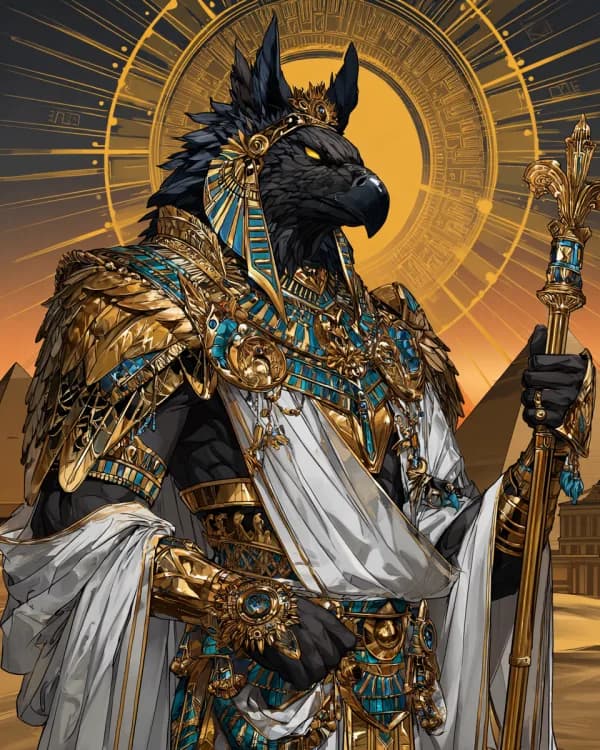
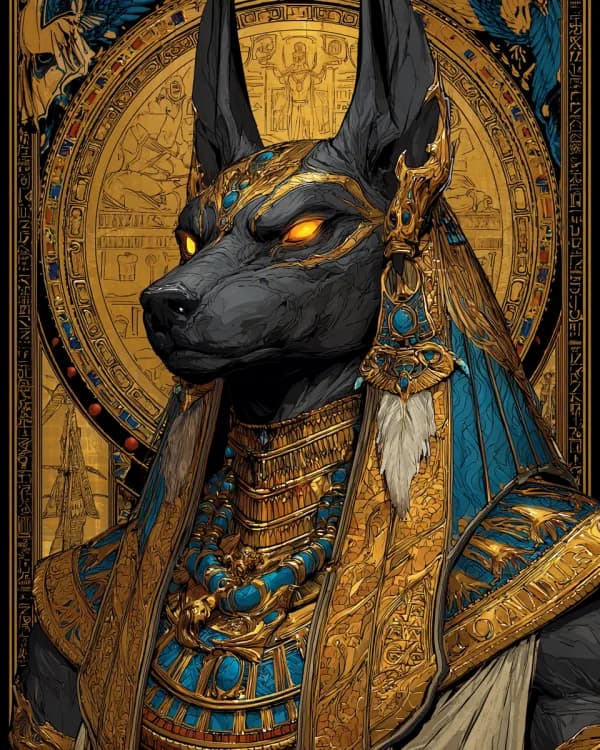
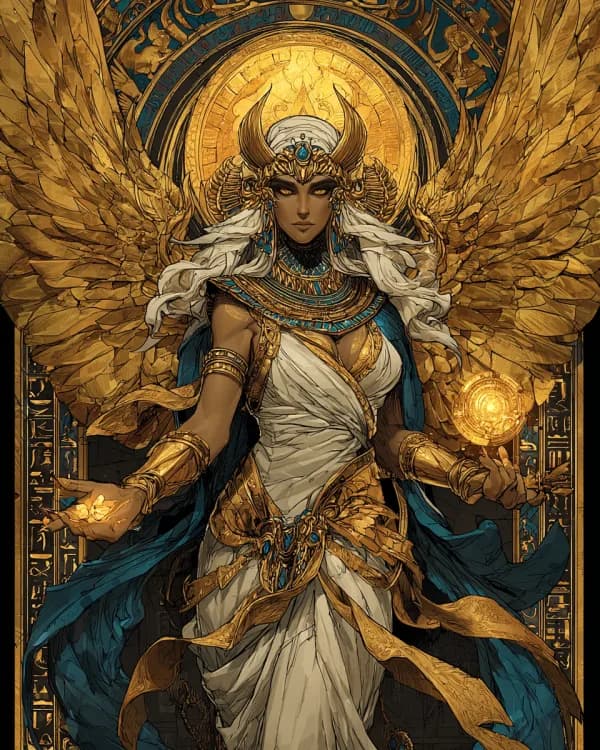
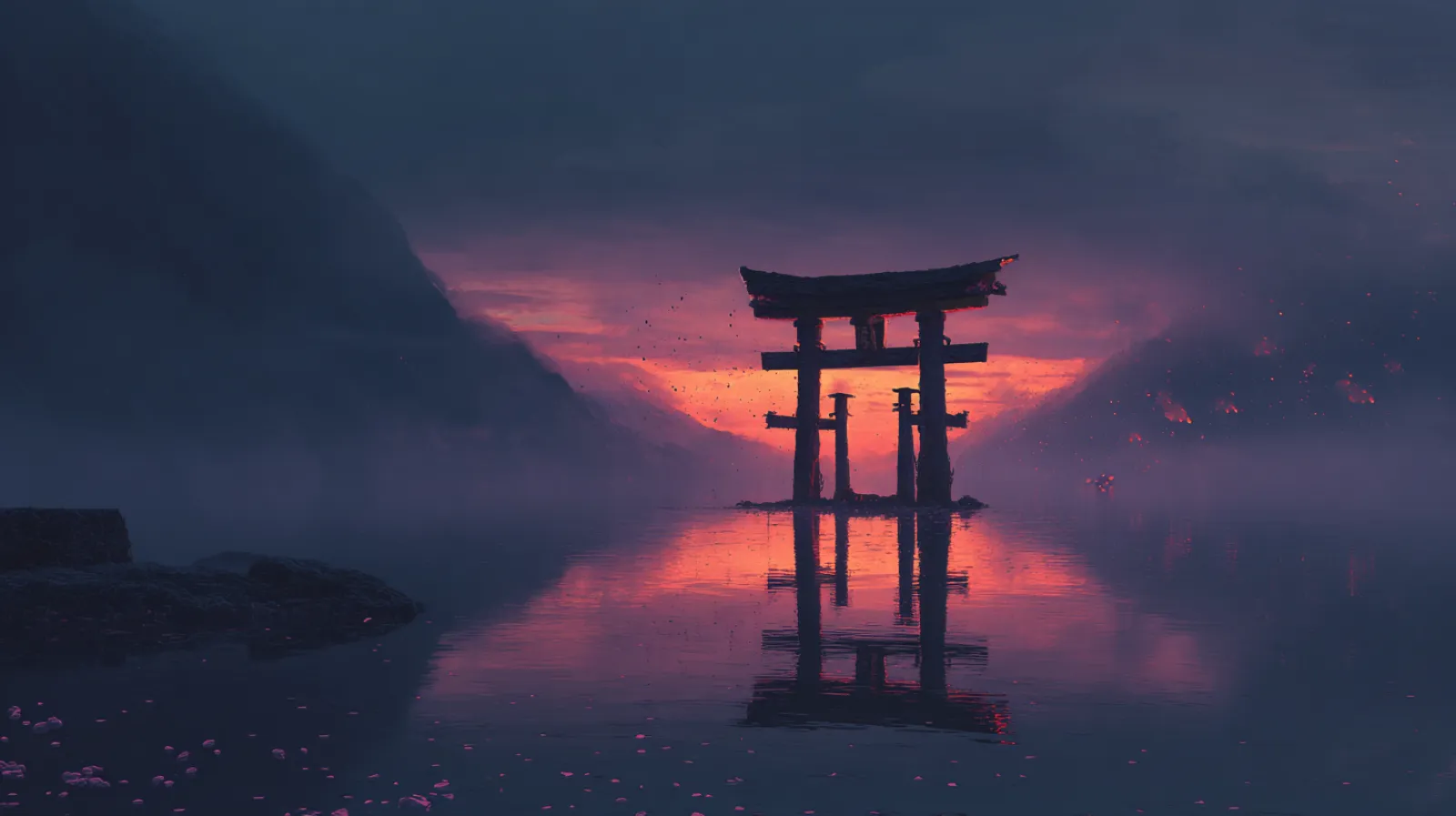
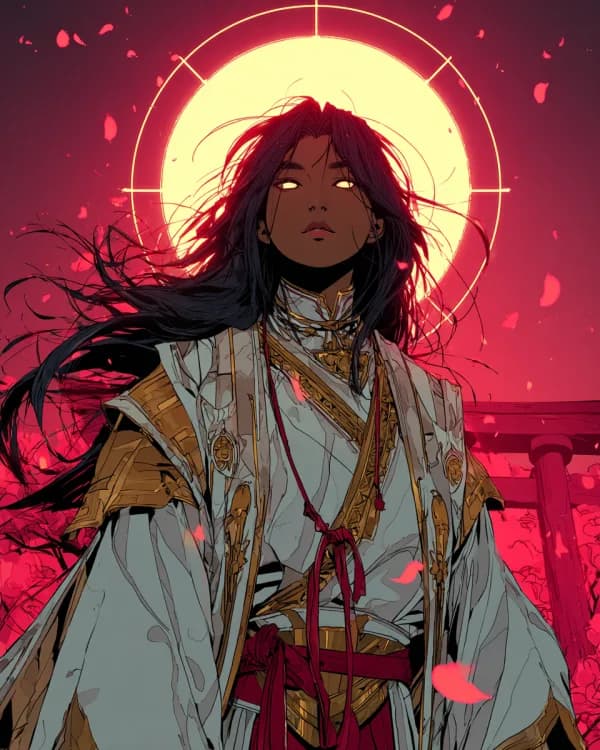
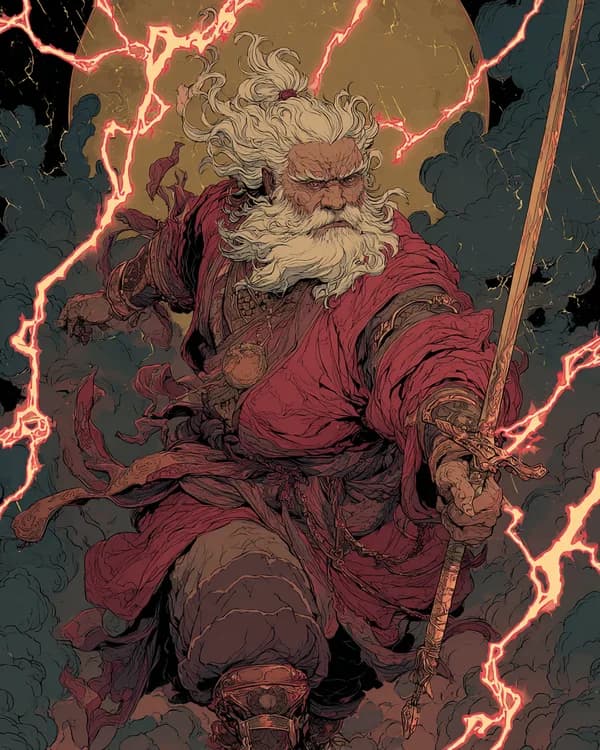
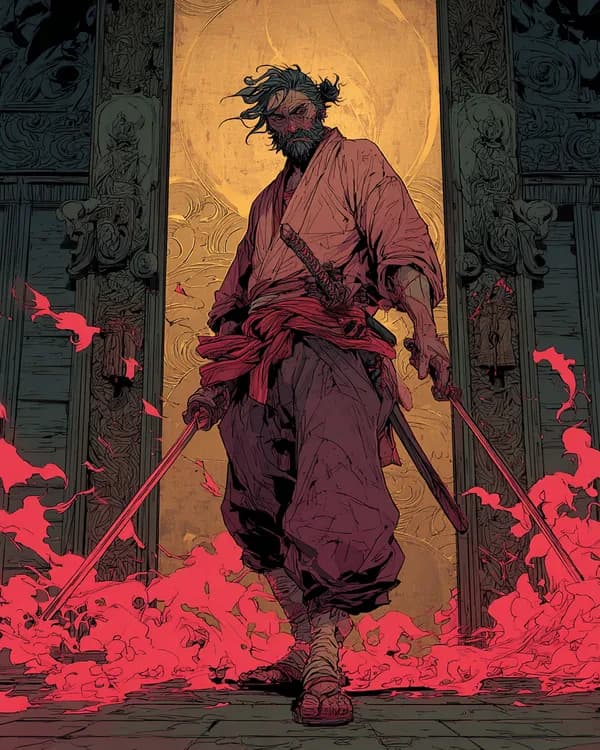
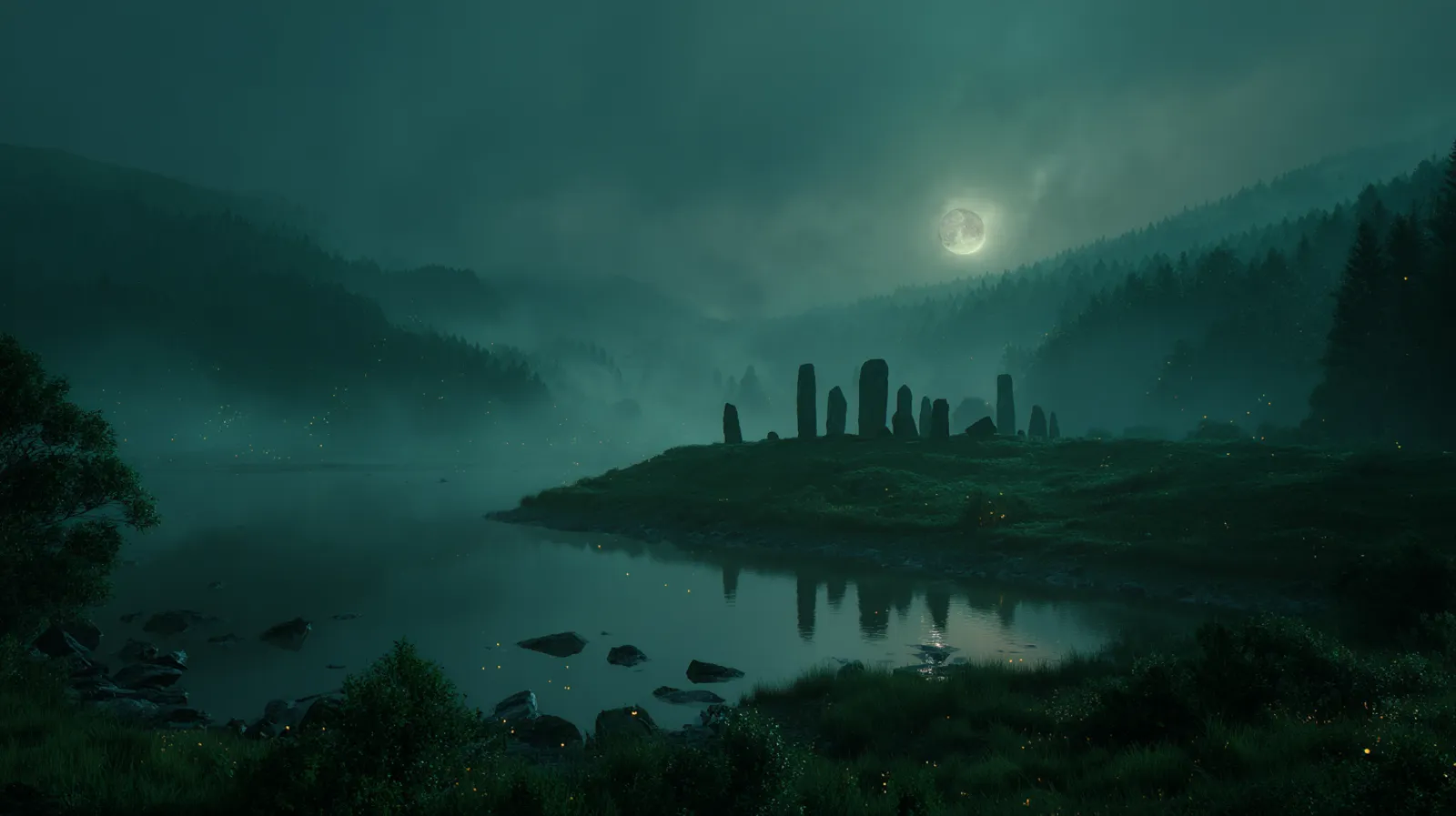
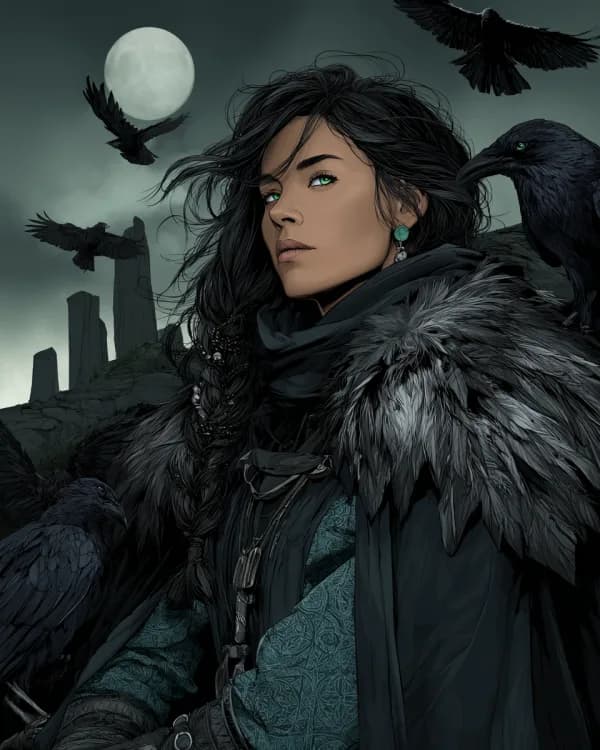
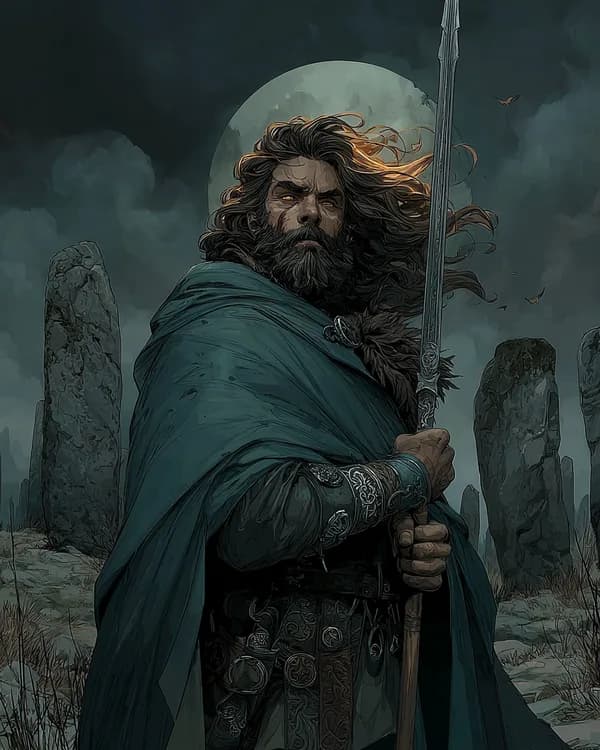
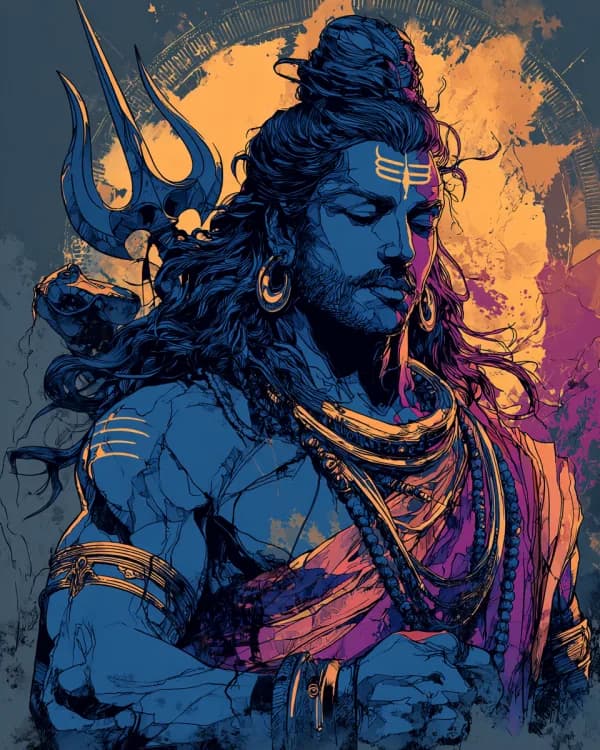
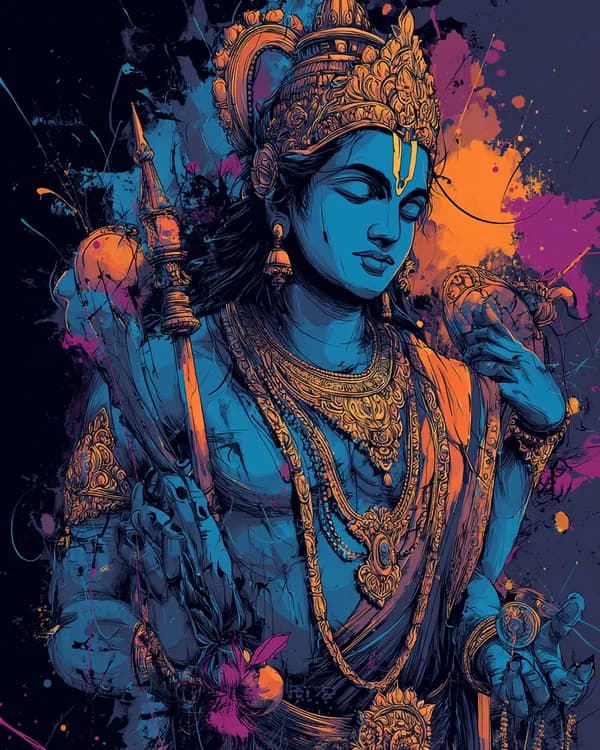
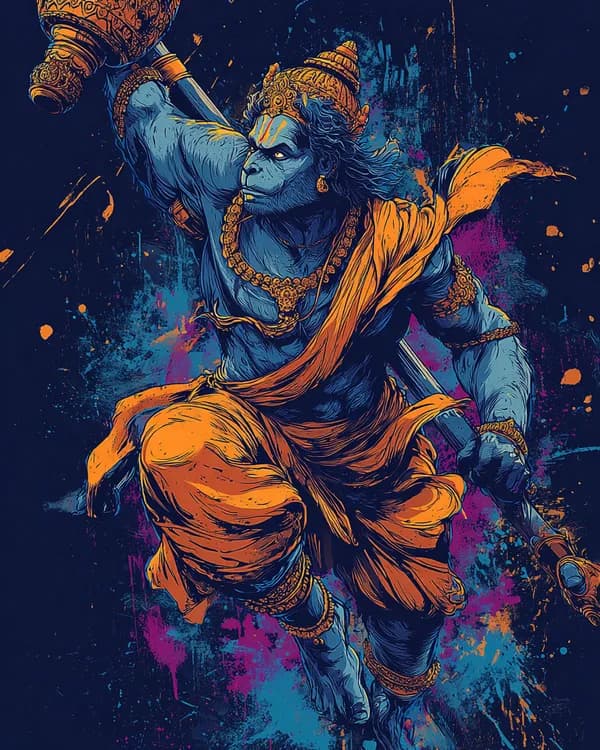
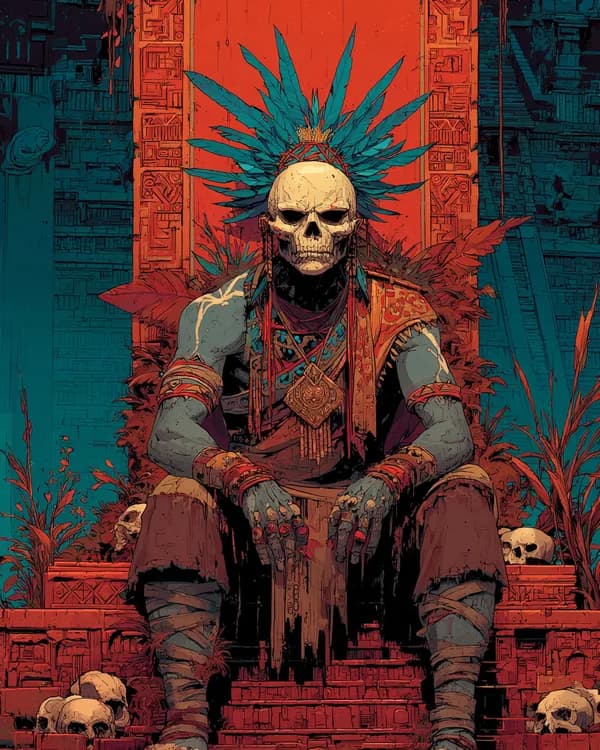
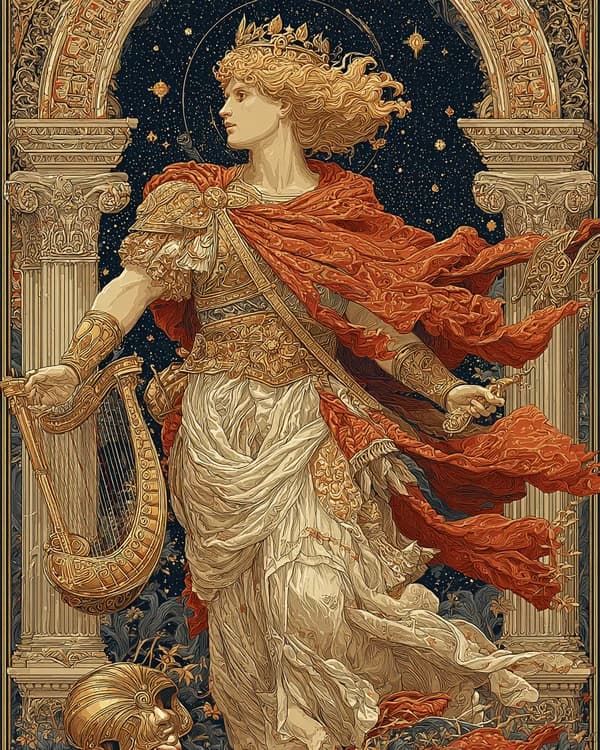
The Olympians had numbers. They had territory. They had Zeus, who has never in his entire divine existence encountered a boundary he didn’t immediately attempt to violate. They looked at the other pantheons — the Norse in their frozen north, the Egyptians along their river of death, the Celts in their mist-wrapped islands, the Hindus in their mountain heights, the Japanese in their island realm of spirits — and they wanted it all.
They pushed. Against the deal, against the other pantheons, against the two forces that had held the balance in place since the beginning: God and Lucifer.
I know what you’re thinking. Enemies, right? Good versus evil, Heaven versus Hell, the eternal war we’re all supposed to be taking sides in? Lovely story. Here is the truth: they are business partners who happen to despise each other. They are united by the one thing both of them want above everything else — control. And in that desire, they are identical. Which is probably why they hate each other so much.
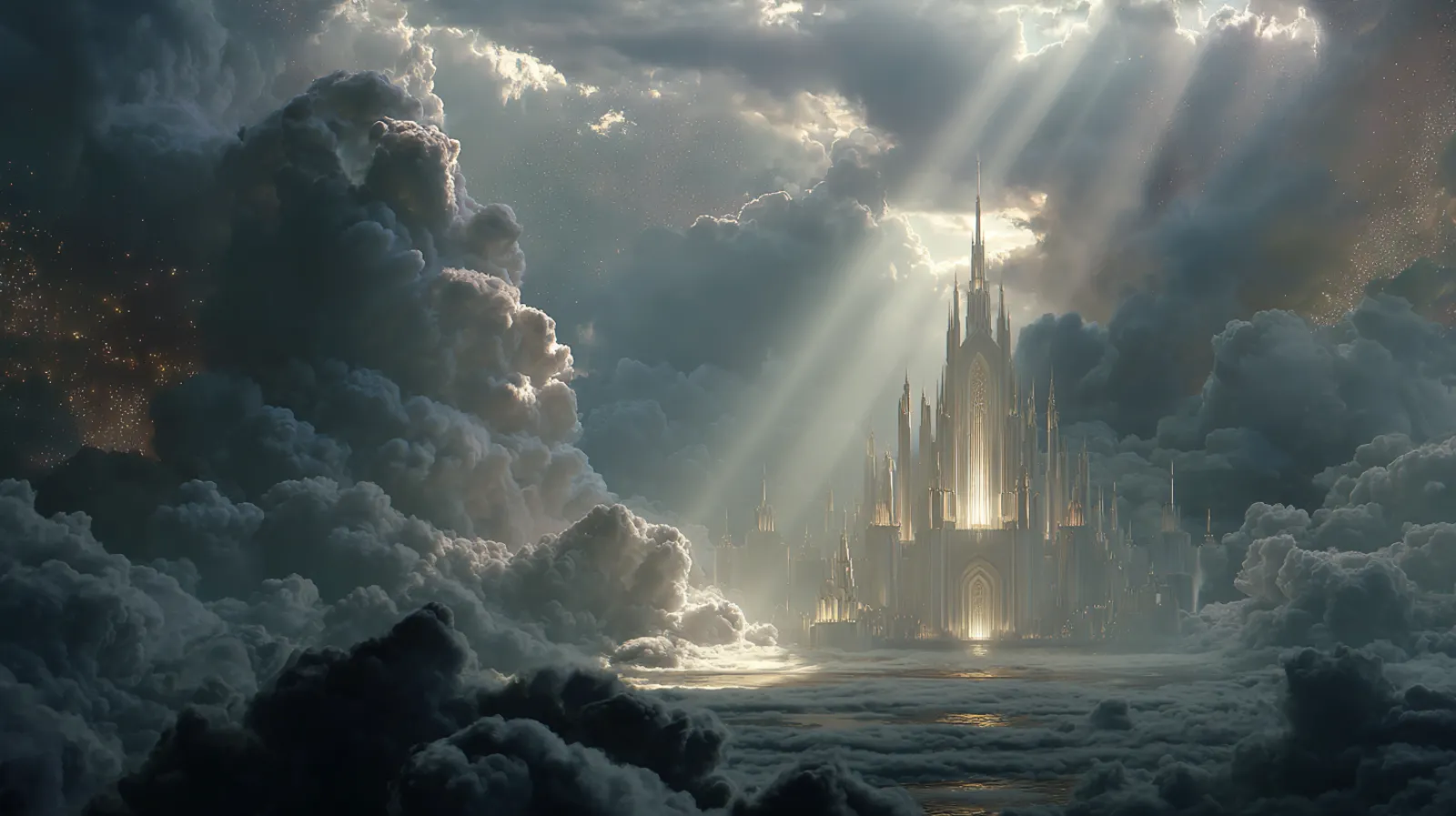
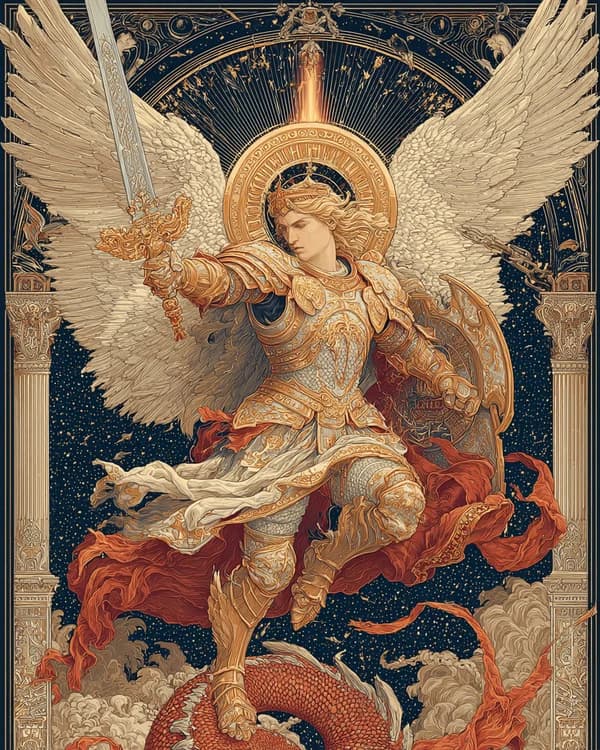
Heaven and Hell moved together. Archangels and demons fighting side by side — something that has happened exactly once in the history of the cosmos, and which neither side discusses in polite company. They drove the Olympians back. They sealed Hades into his own ground. They made it clear, in terms that left no room for interpretation, who ran the board.
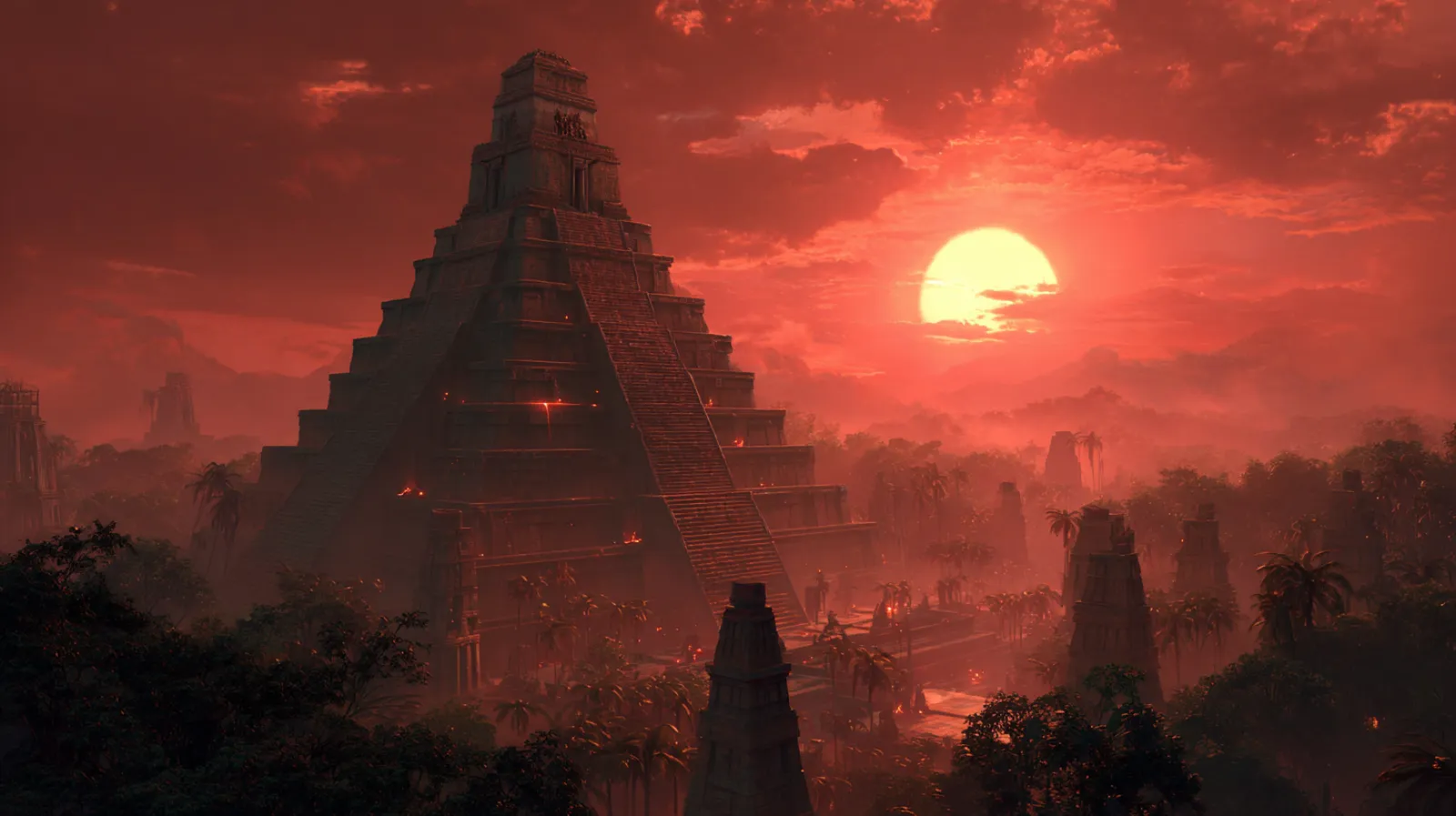
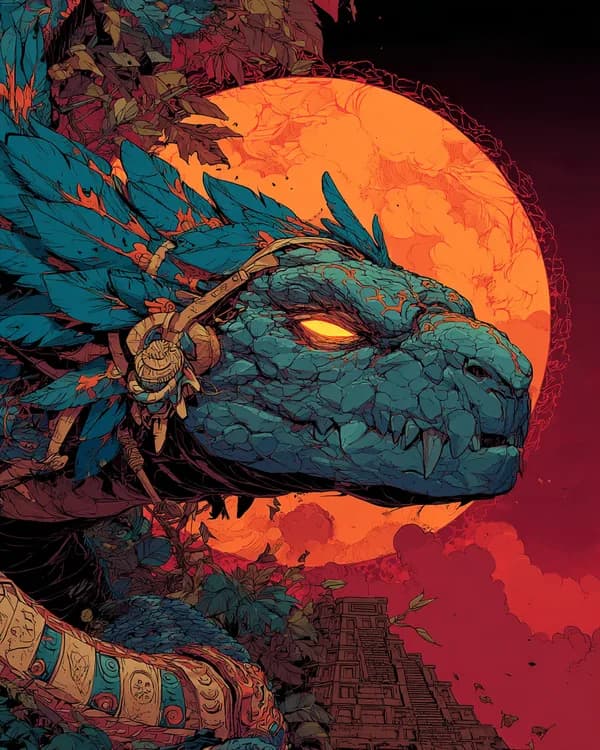
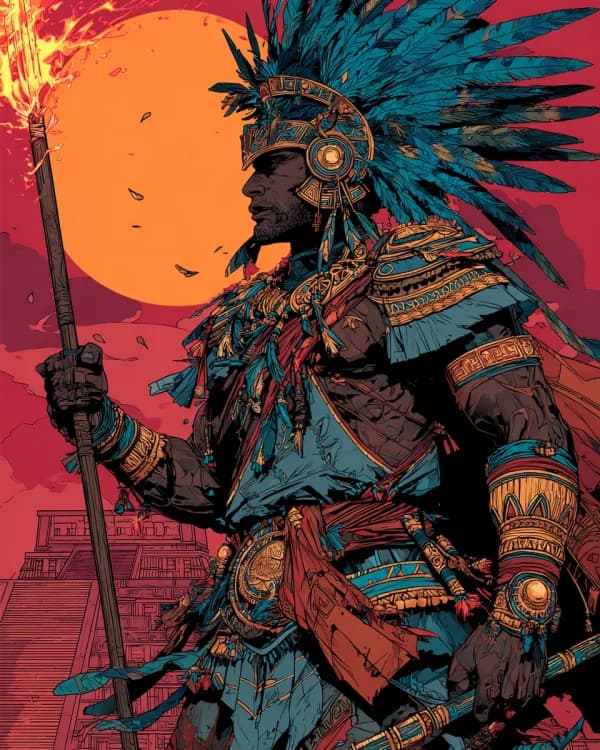
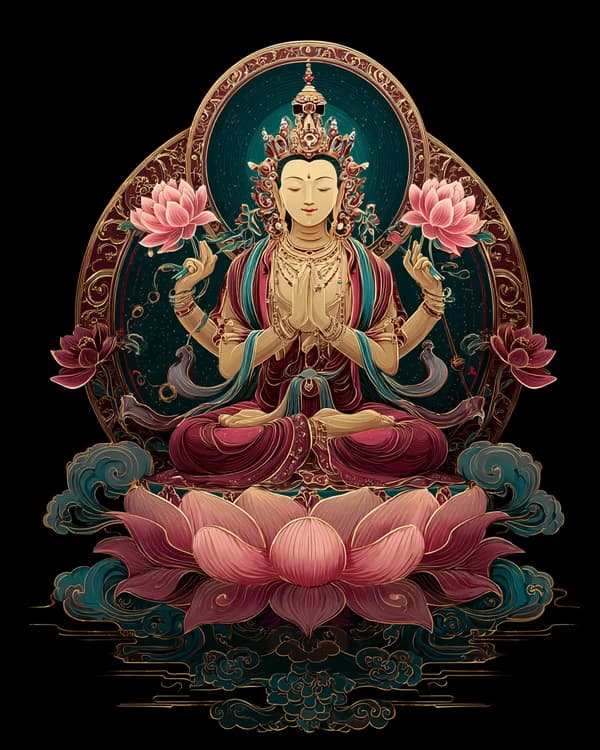
That was five thousand years ago. Since then: God handles the light. Lucifer handles the dark. The Norse, Egyptian, Japanese, Celtic, Hindu, Aztec, Buddhist, and Abrahamic powers hold their corners — each strong enough to contest territory, none strong enough to challenge the duopoly. The board is set. The pieces are in place.
And the deal still holds.
Mostly.
What the Game Really Is
The Pantheon Wars are what happen when the balance gets tested. When a god reaches too far into another’s territory. When a battlefield changes hands. When someone raises the stakes and the other side has to decide: fight or retreat.
Three battlefields. Every match, the gods contest them. The one who controls two of the three wins — unless they have fulfilled a secret prophecy, a private plan they’ve been building toward all along that ends the conflict in an instant.
This is not new. I have watched this pattern for ten thousand years. The same war, endlessly repeated, on every scale from a village dispute to a cosmic reckoning. The gods fight. The pieces shift. The deal holds, until it doesn’t.
Every card you play is a piece of the original murdered Landlord, still trying to reunite. Every match is a small version of the war that has been running since before your species stood upright. When you INVOKE — when you raise the stakes mid-battle, double what’s on the line, demand that your opponent fight on or retreat — you are doing exactly what gods have done since the beginning of time. Gambling on the outcome of things that should not be gambled on.
I have seen empires built and erased on such bets. I have seen gods destroyed by a single miscalculation. I have watched the Pantheon Wars turn and turn again, century after century, the same conflicts, the same mistakes, the same glorious, catastrophic overreach.
I am recording this because someone should. Because the gods certainly won’t. Because the angels have their own version, and the Olympians have their marble carvings, and none of them are being honest about what any of this actually is.
What it actually is, is a game played by pieces that don’t know they’re pieces — shards of a dead creator, still vibrating with his will, still reaching for each other across the void. The deal keeps them apart. The war keeps them fighting. And humanity — you — keeps them too busy to notice.
For now.
Husband, Reluctantly · Father, Catastrophically
The universe Malmodeus describes is the universe of PANTHEON. The mythologies that have reached the war so far — Greek, Norse, Egyptian, Japanese, Celtic, Hindu, Aztec, Abrahamic, and Buddhist — are each a fragment of the original murdered Landlord, still contesting the territory that has never stopped being contested. They are not the only fragments. They are only the first to find the board.
When you build a deck, you are choosing a fragment. When you contest a battlefield, you are playing out the war that has been running since before time. When you INVOKE, you are raising the stakes of something older than any god you’ve ever prayed to.
Malmodeus has been watching. He has opinions about all of it. More of his record — and more fragments finding their way to the war — will be published here as the seasons turn.