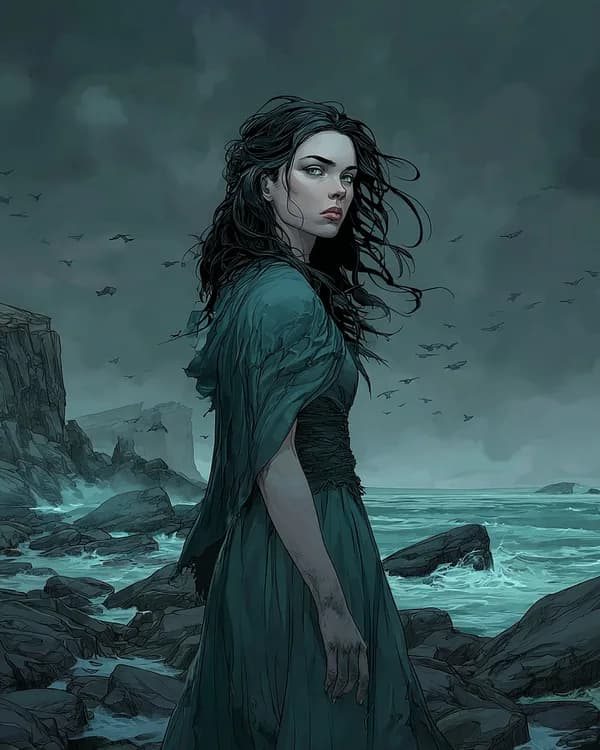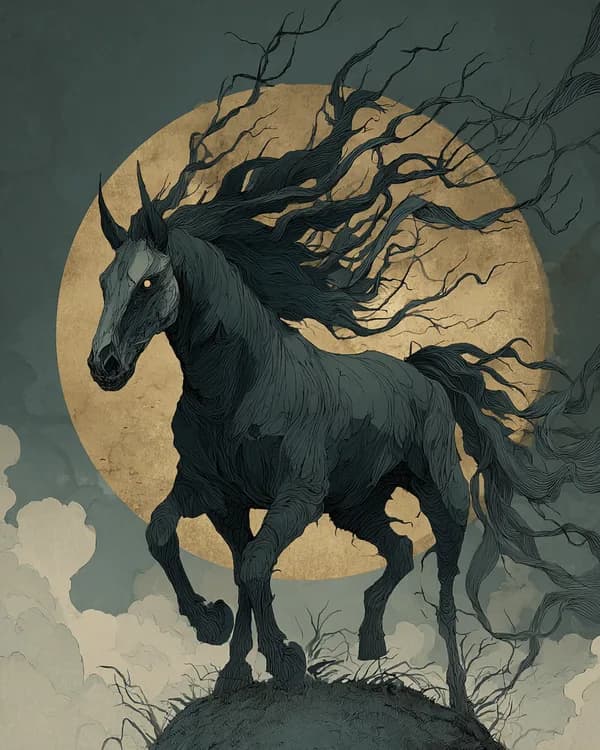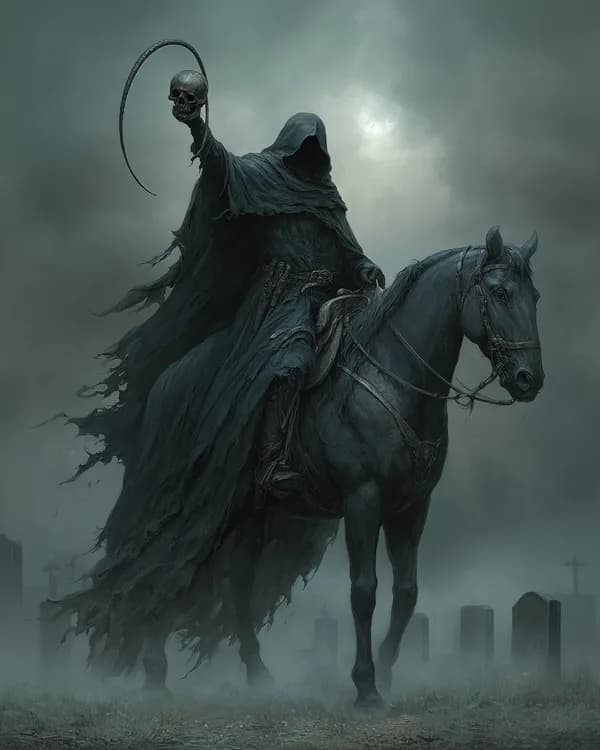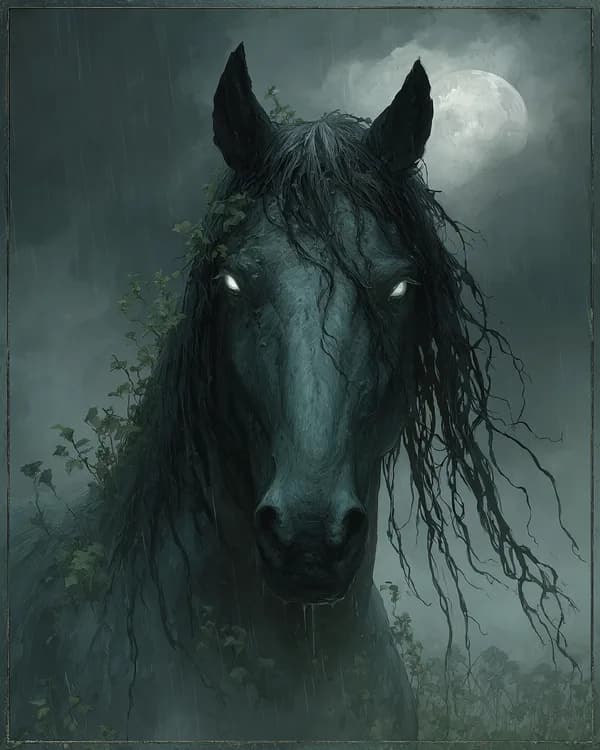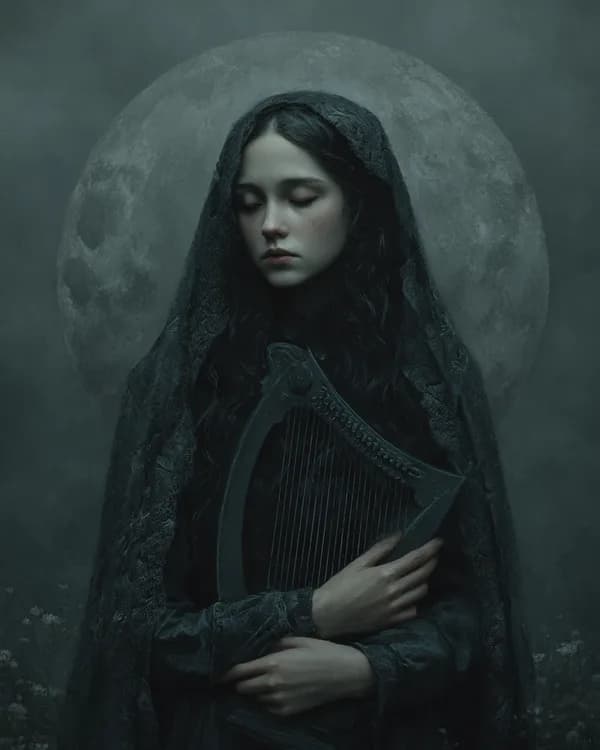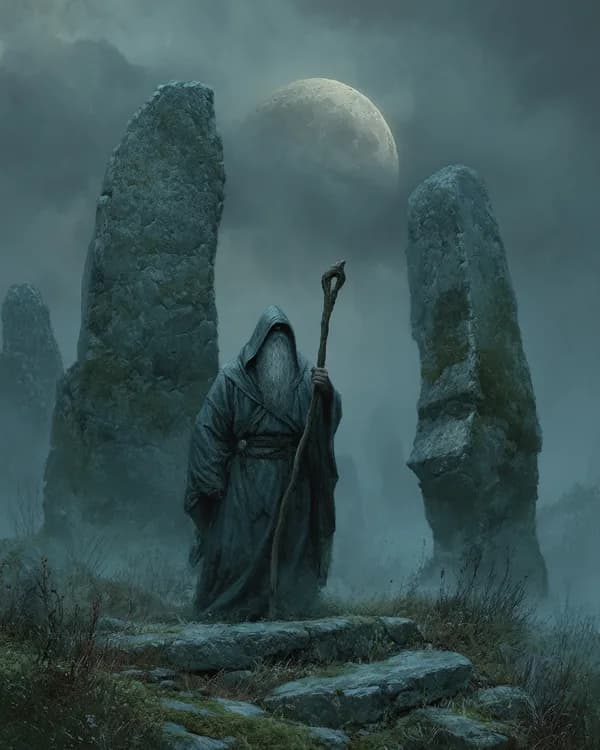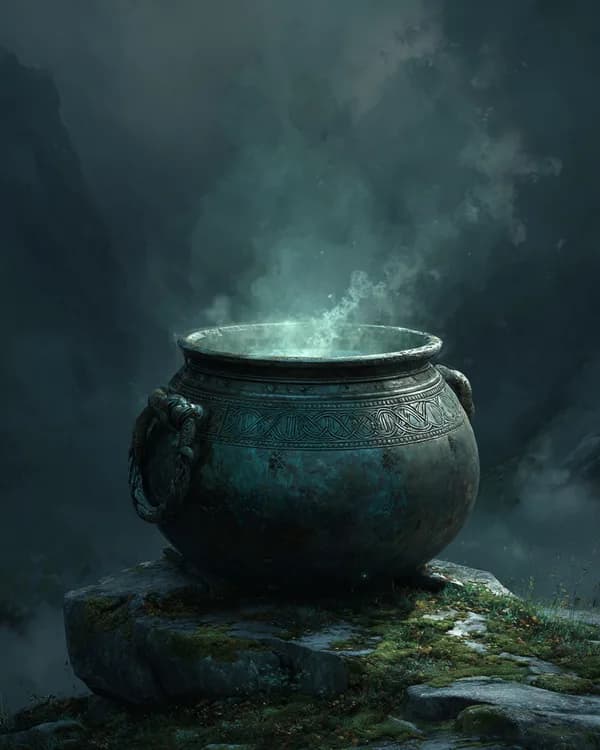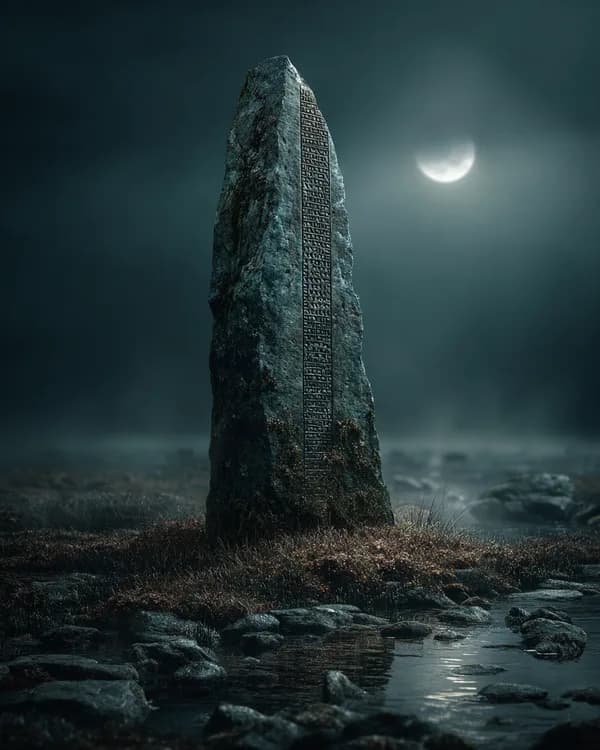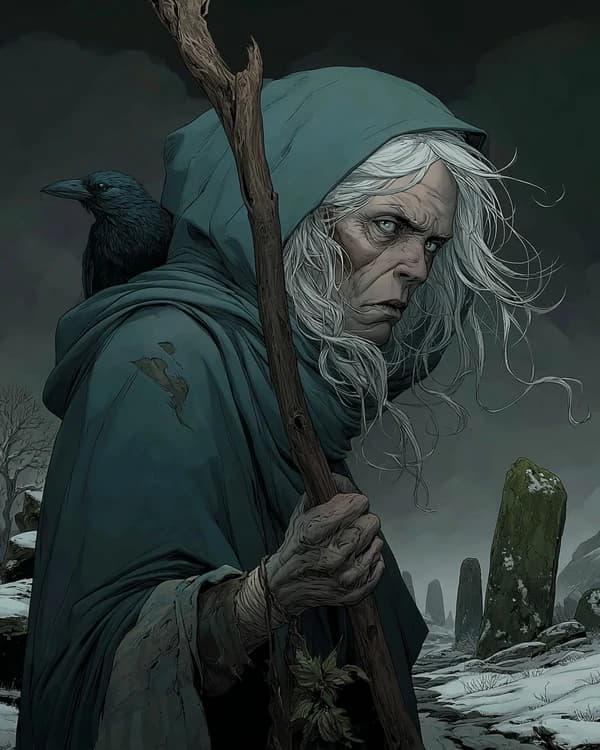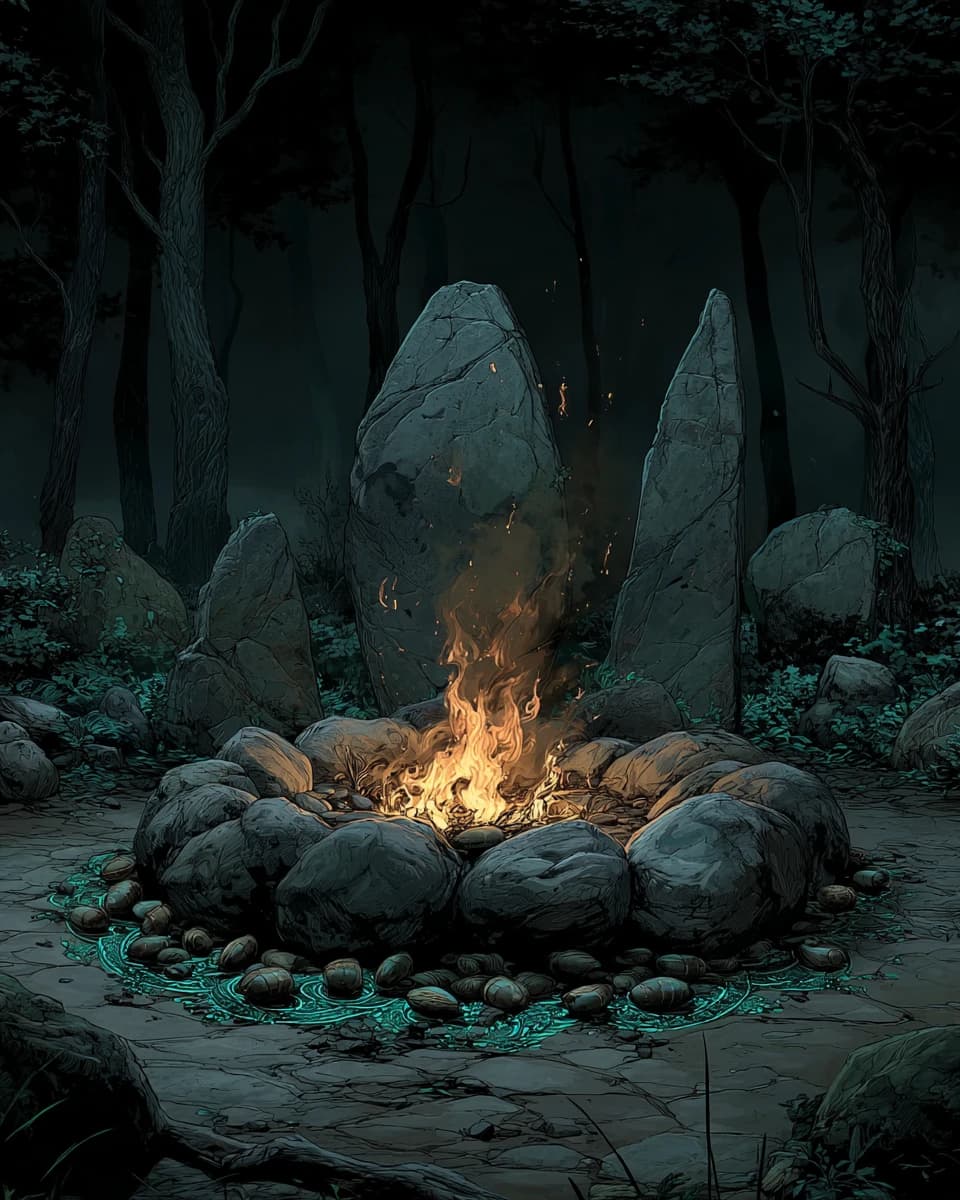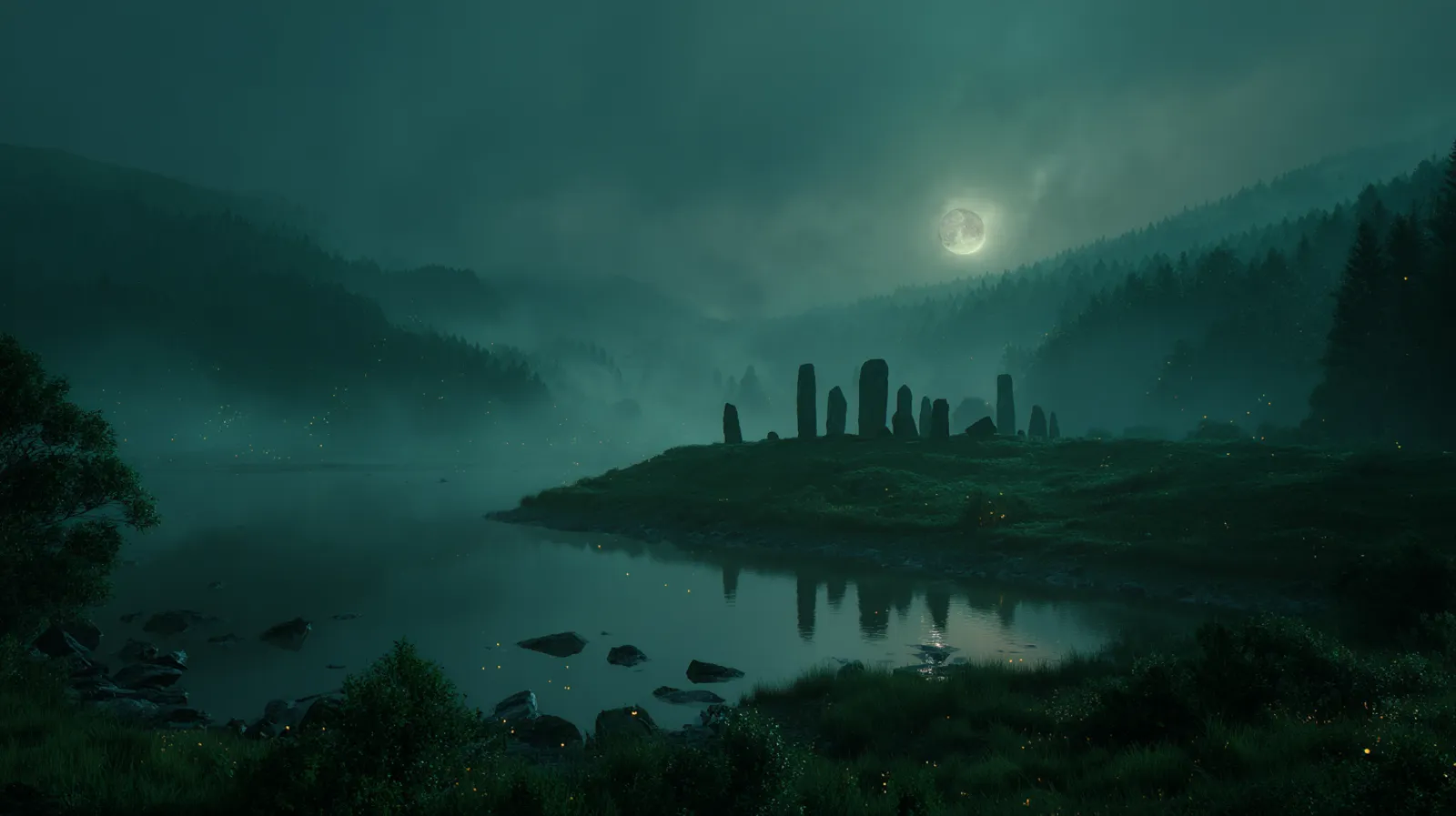
The Celts never built a permanent temple. They worshipped in groves, at rivers, in bogs, at crossroads where the worlds rubbed against each other and the boundary wore thin. This tells you everything you need to know about them.
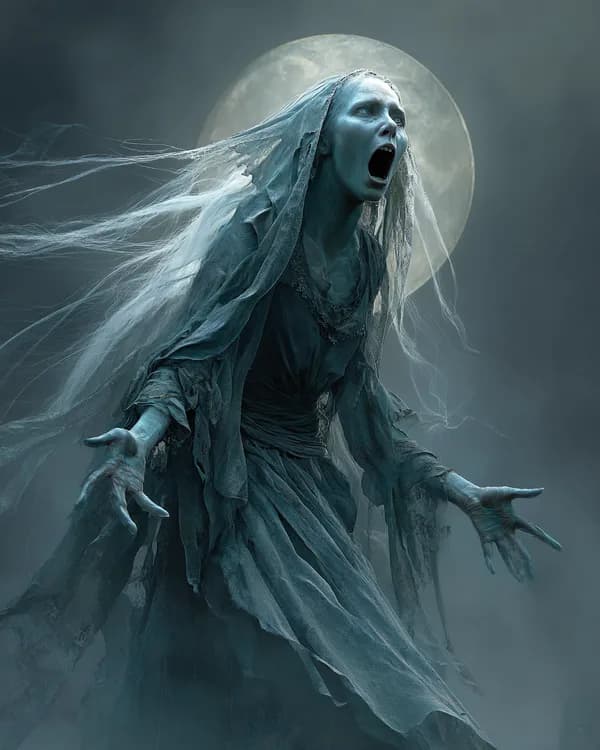
They are not interested in permanence. They are interested in the moment when one thing becomes another, human to animal, winter to spring, living to dead and back again. The Morrigan is three women and one. Cernunnos sits at the point where the forest stops being a place and starts being a state of mind. The Celtic pantheon exists at the threshold. They are the mythology of liminal spaces, and liminal spaces are where the rules become suggestions.
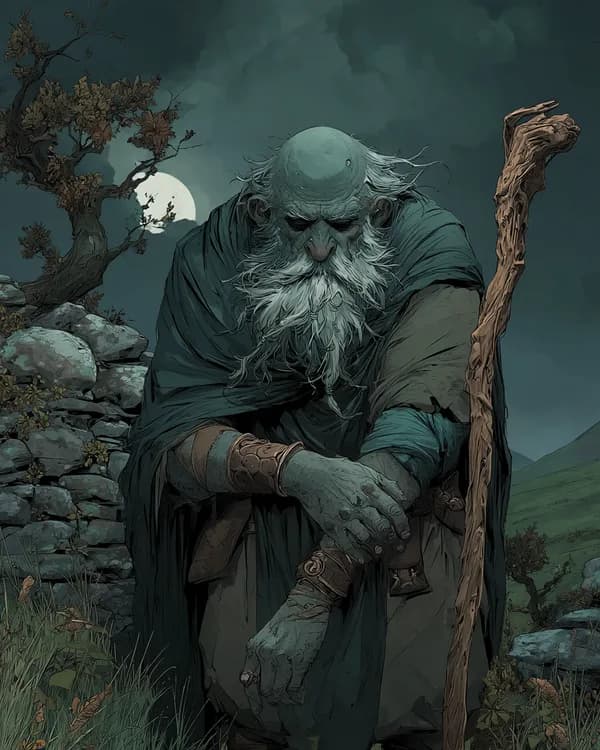
I crossed paths with Cernunnos once, in a forest that had no name in any language. He looked at me the way very old things look at you when they have decided you are either interesting or a problem and haven't made up their mind yet. We didn't speak. We acknowledged each other the way ancient powers acknowledge each other across a shared space, carefully, without pretense, without turning our backs.
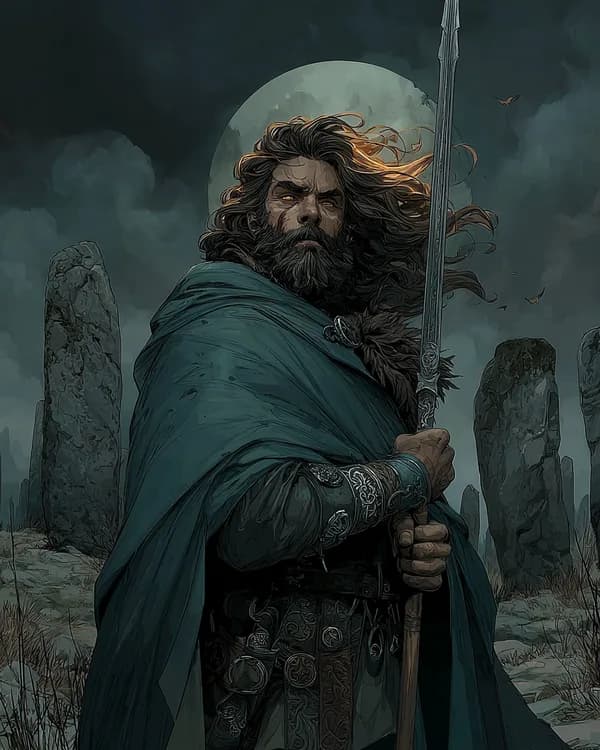
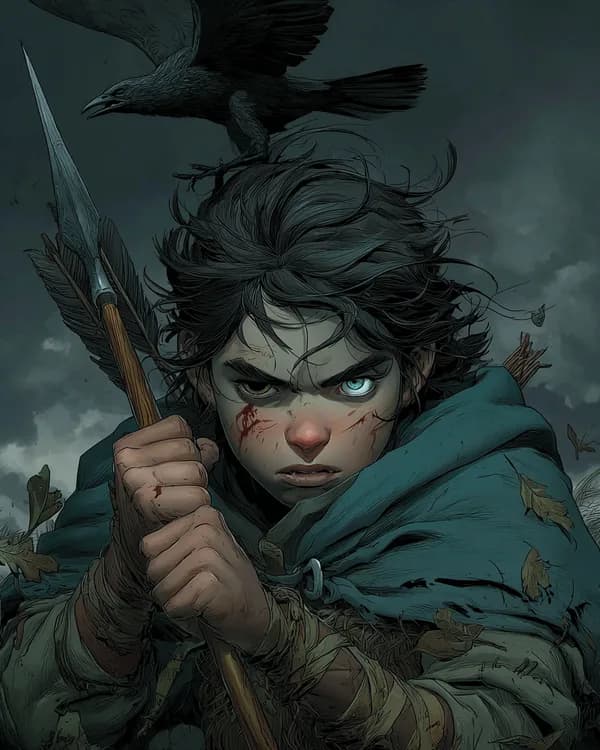
What the Celts do on the battlefield is transform. A warrior pushed to his limit becomes something else. WRATH is not loss of control, it is the precise moment when human limitation falls away and what's left is older and louder. The shape of what they are isn't fixed, and that makes them extraordinarily dangerous in the final turns, when everyone else is running on what they have left.
They build pressure the way a thunderstorm builds pressure. You see it coming. You cannot do very much about it.
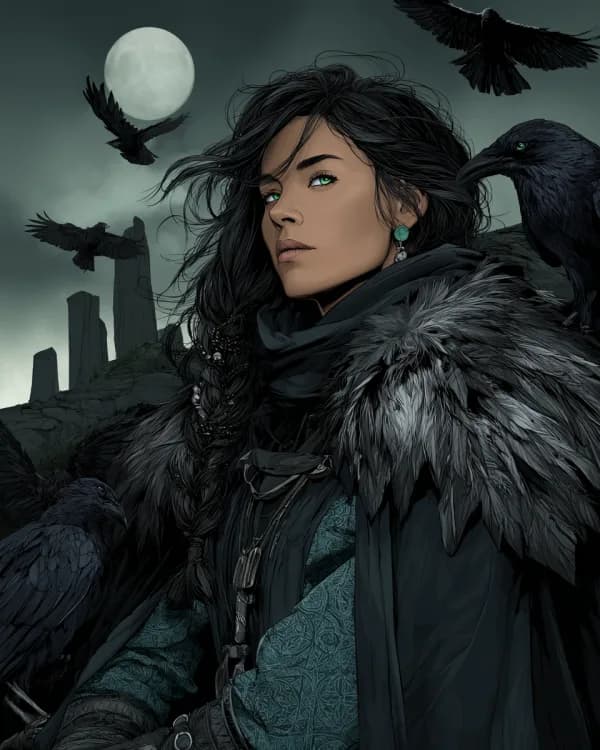
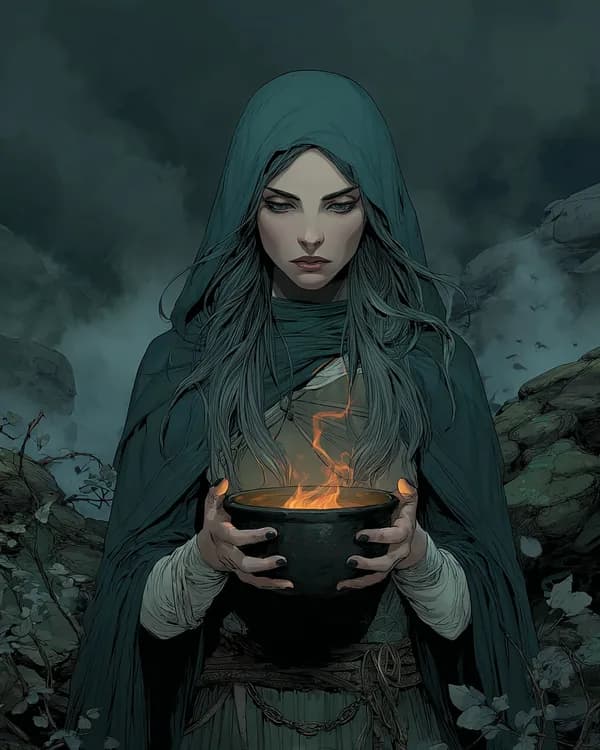
The Morrigan I will not underestimate again. That lesson was sufficiently expensive the first time.