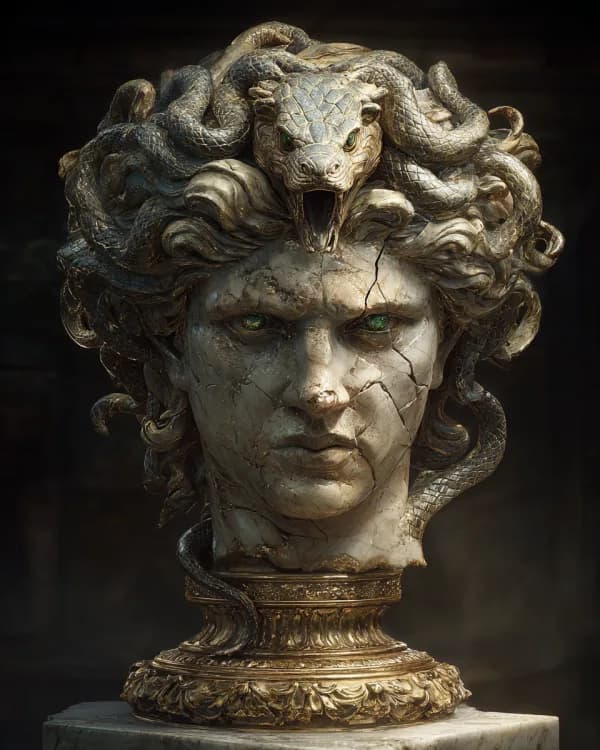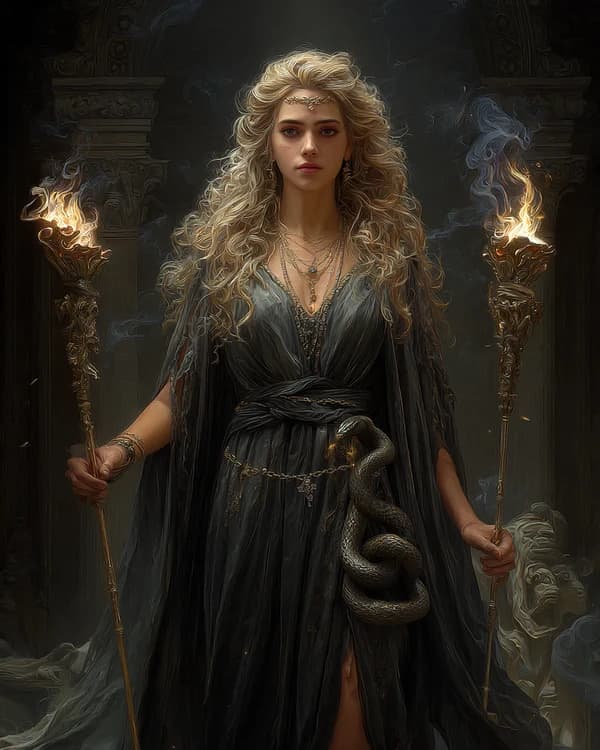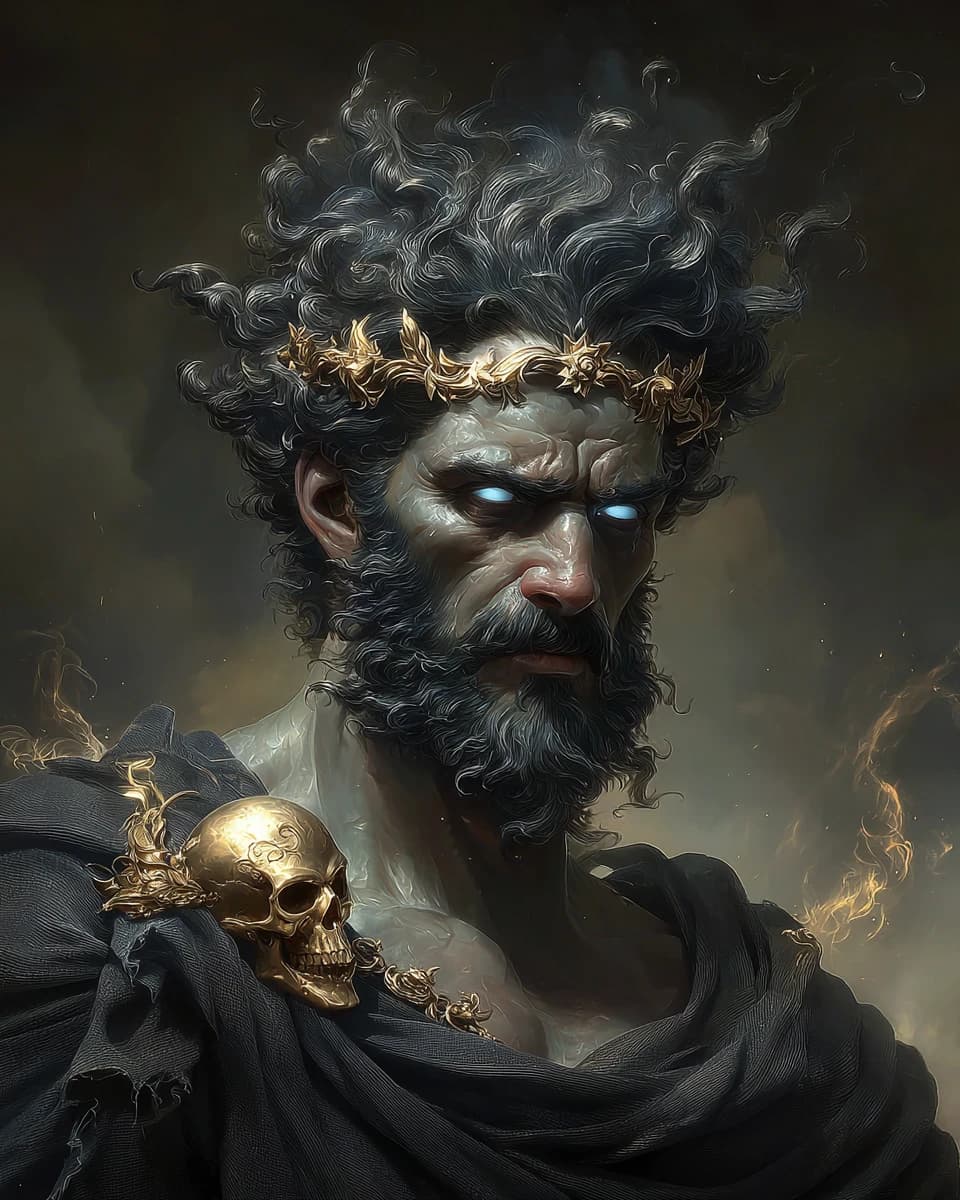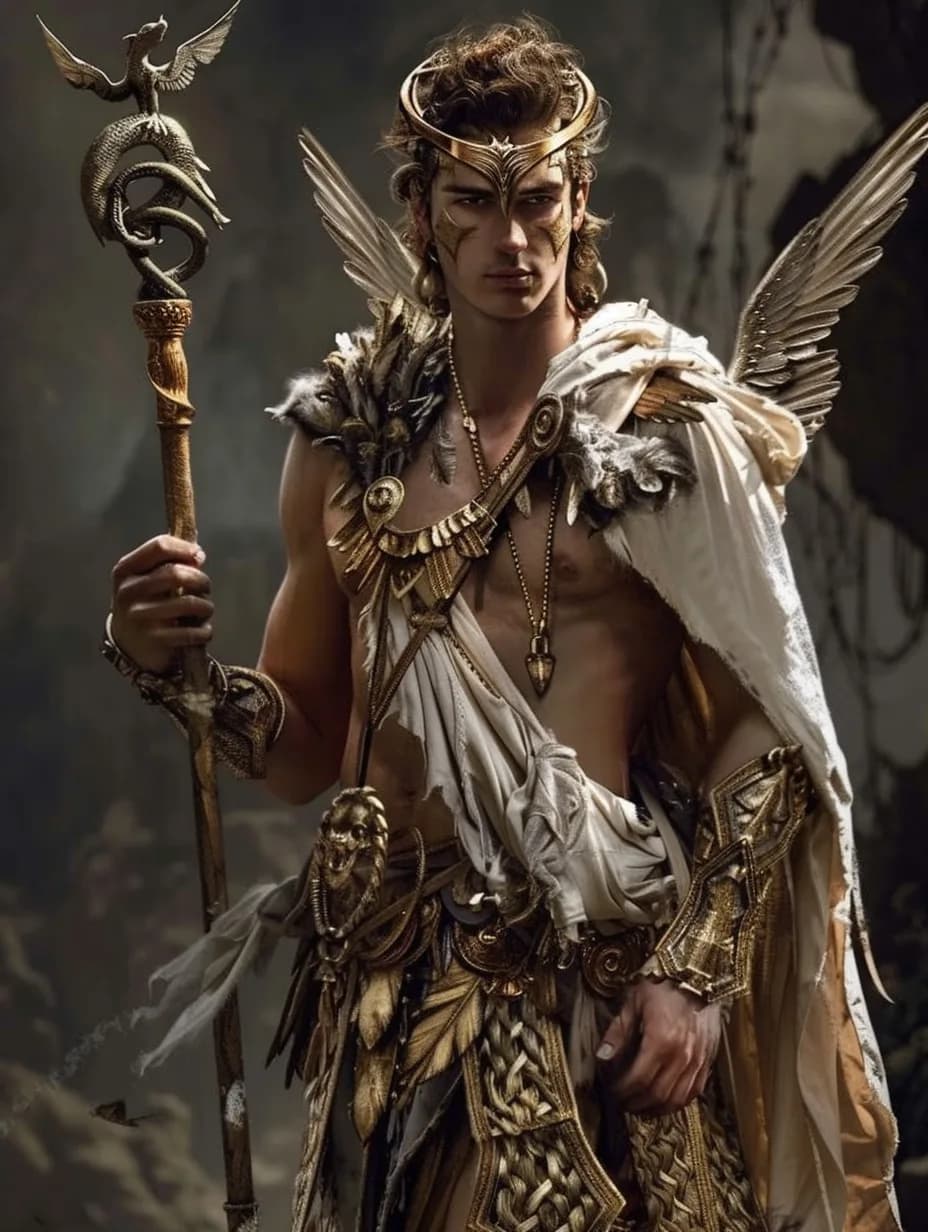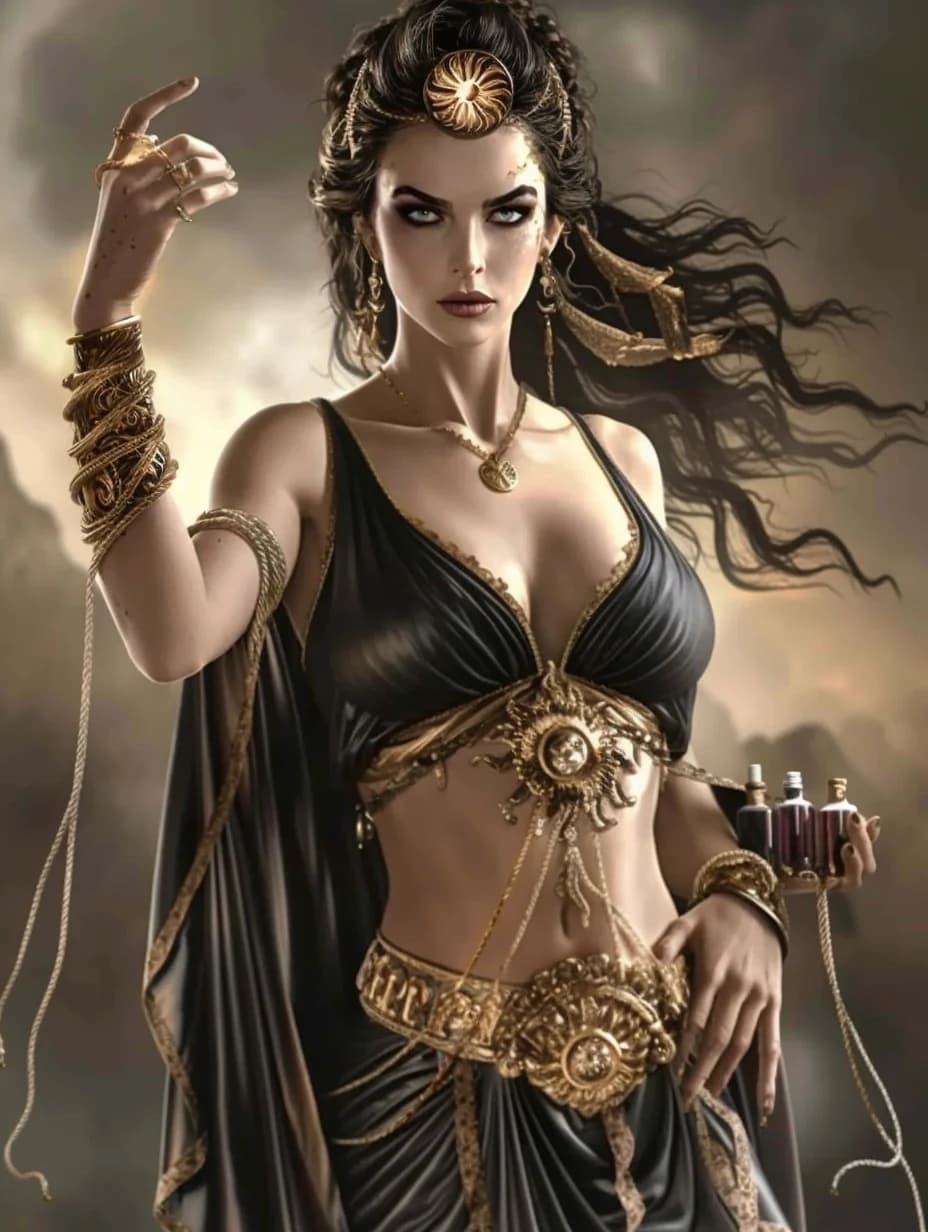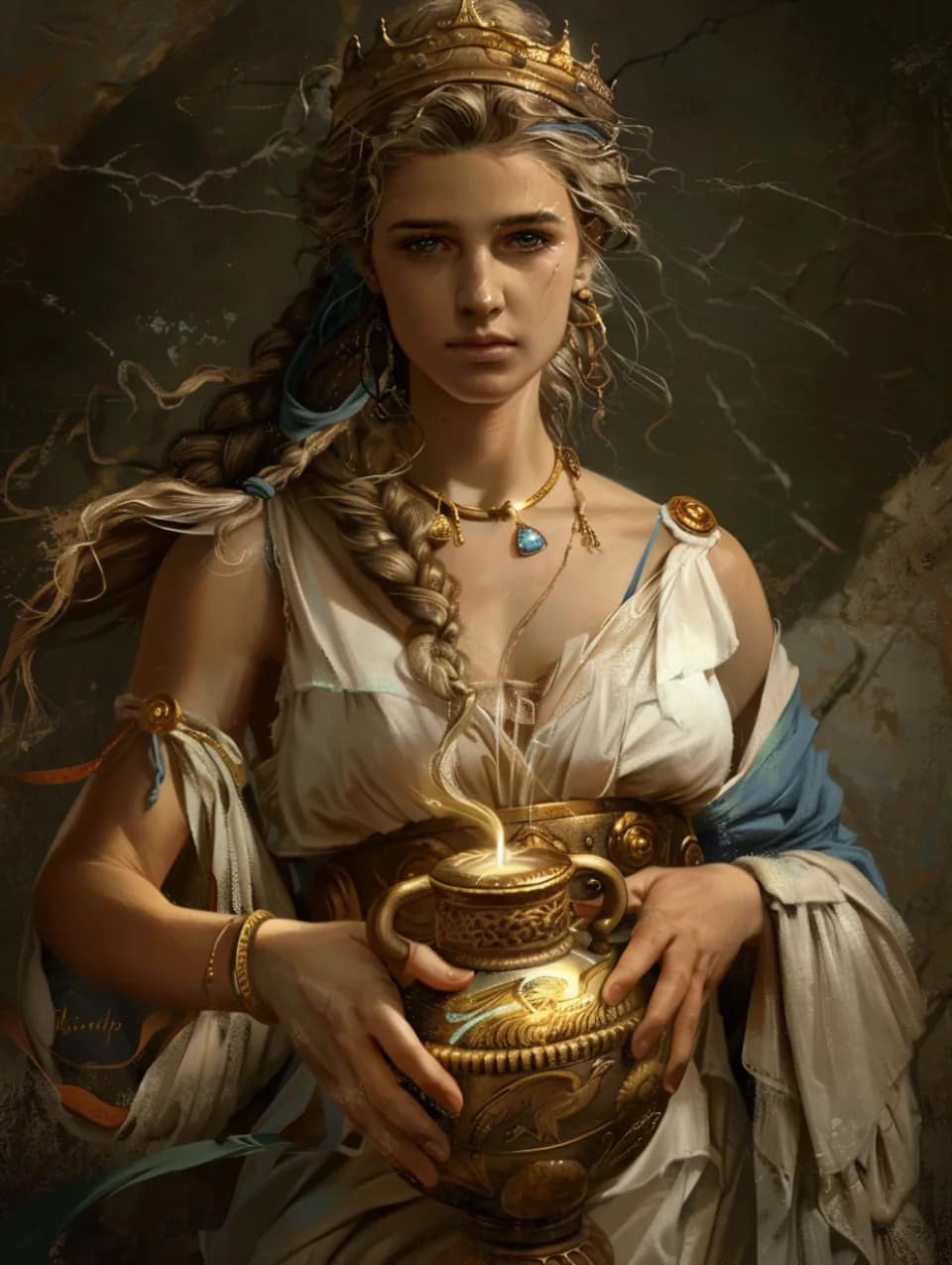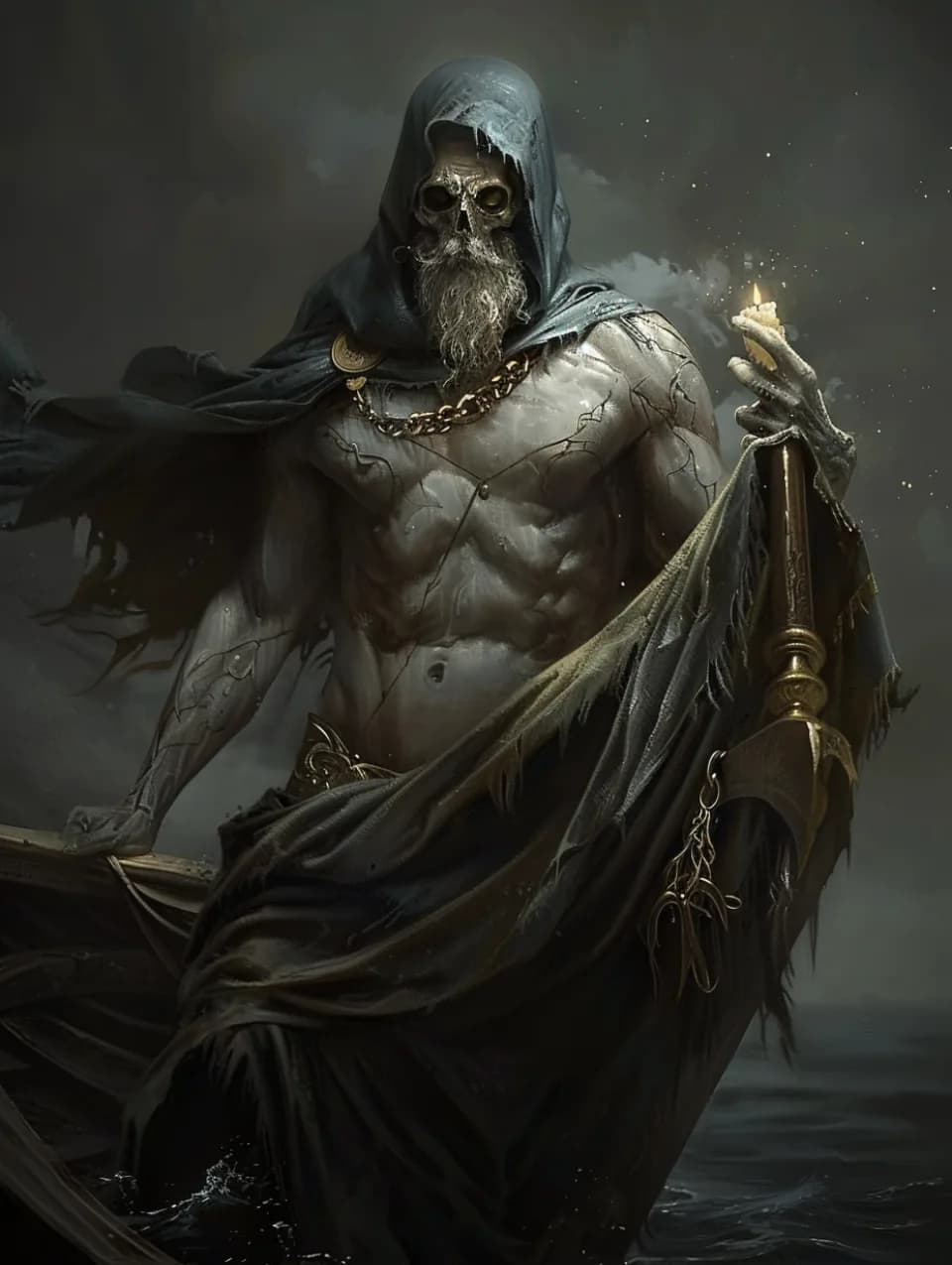
The Titans came first. Not Zeus. Not Olympus. The Titans. Anyone who tells you the Greek story starts with thunder and lightning is selling you the version the winners wrote.
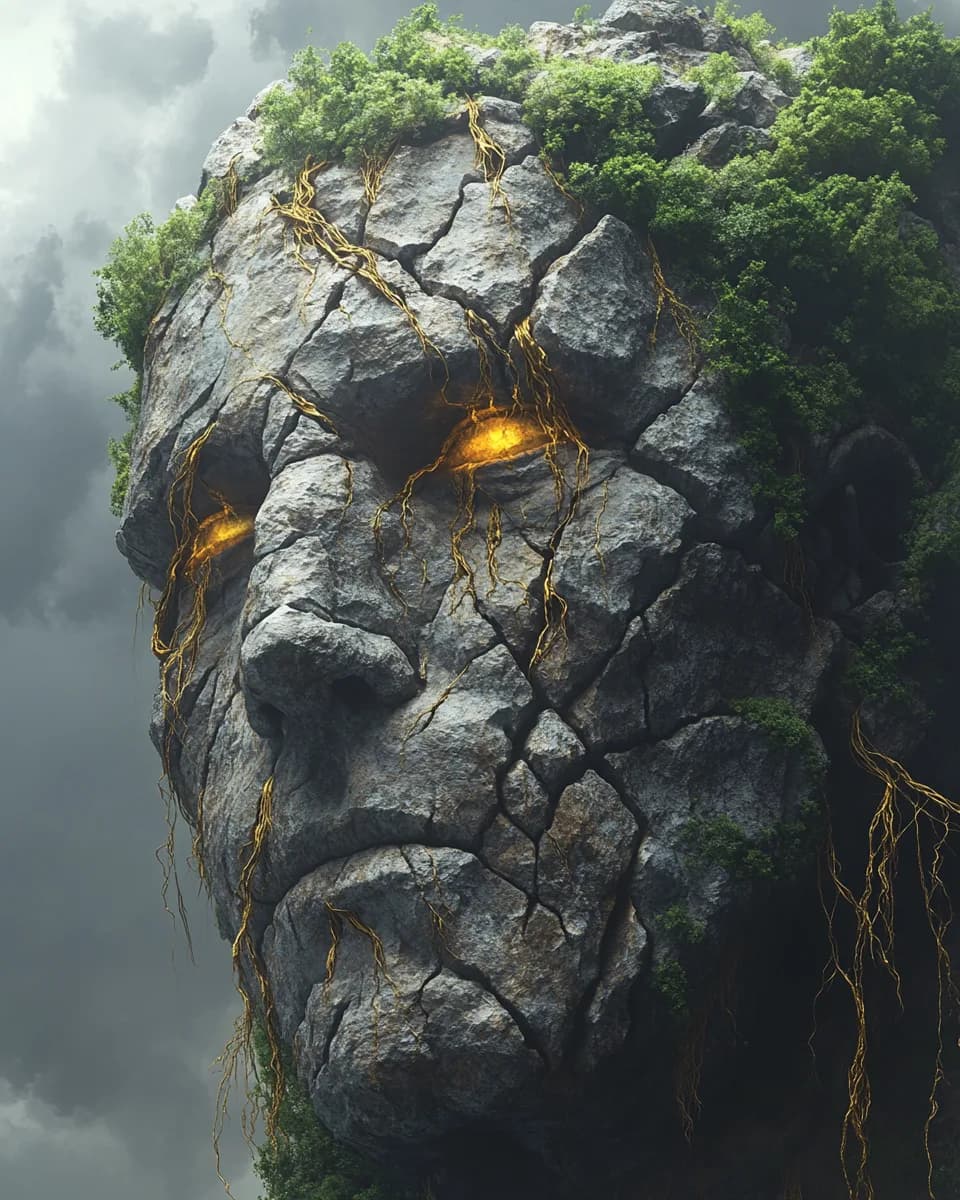
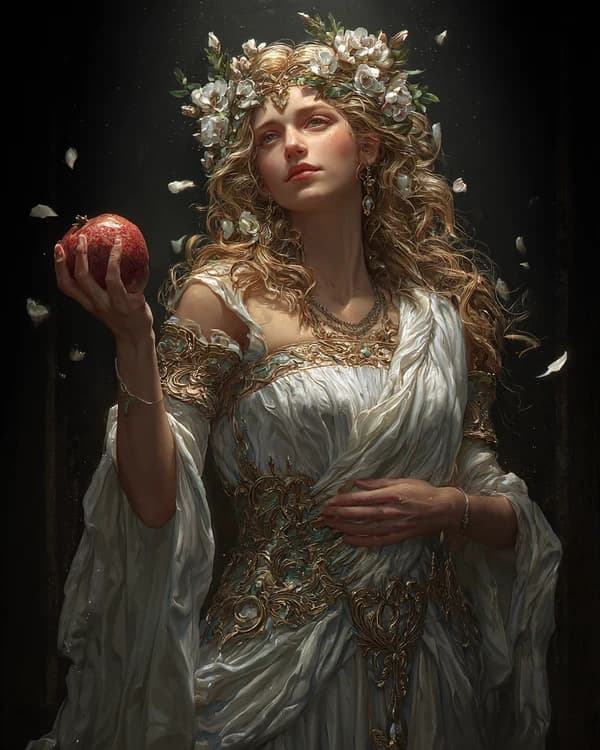
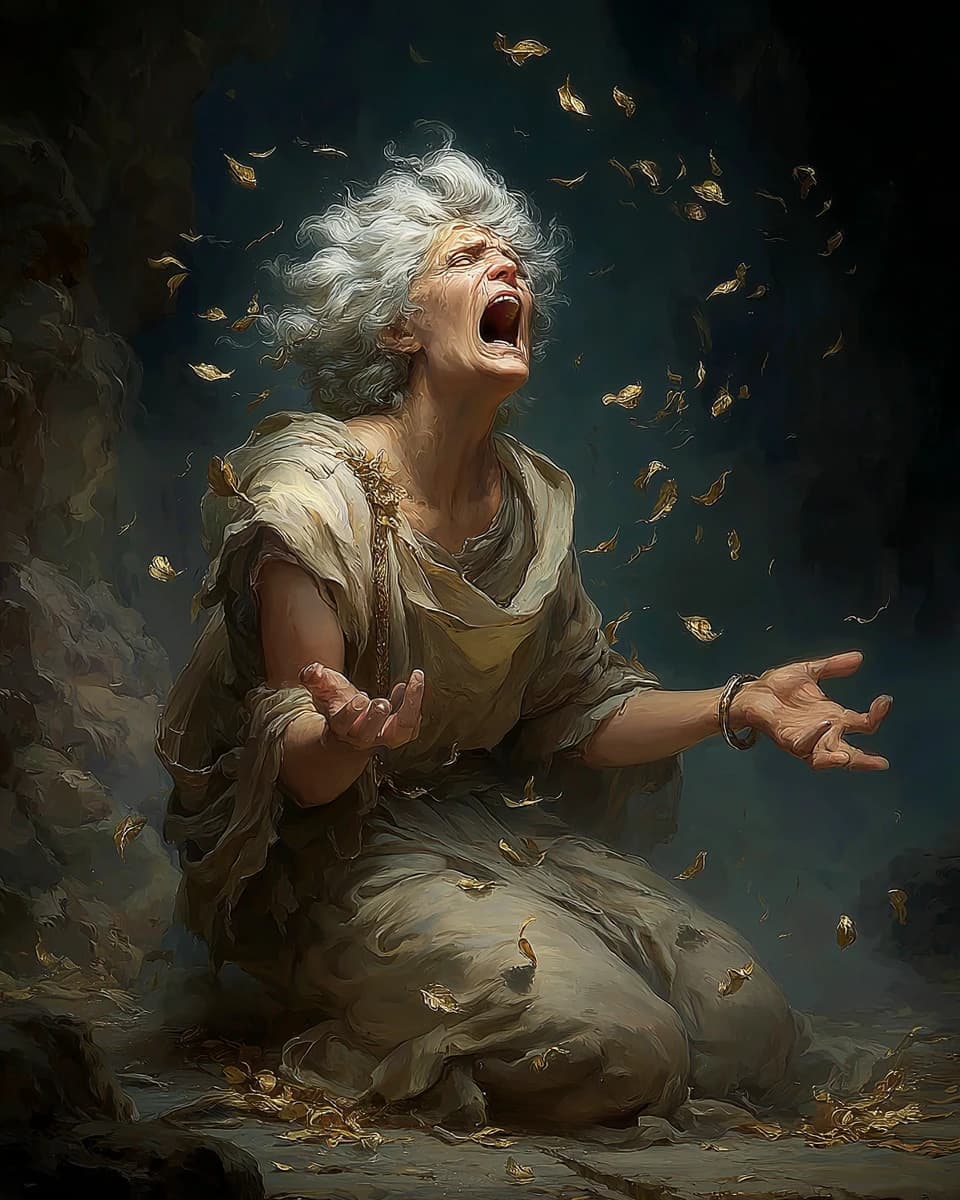
Gaia was the earth before earth had a name. She didn't create the world, she was the world, the original consciousness of rock and root and deep geological time, thinking thoughts that took centuries to complete. From her came Uranus, the sky, and from their union came the Titans: Cronus, Rhea, Atlas, Prometheus, Hyperion, and a dozen others, a generation of gods who held the cosmos together in ways the Olympians would later take full credit for and comprehensively fail to maintain.
Then Cronus, because it was apparently not enough to be a Titan, overthrew his own father. This is a pattern I have noticed in the Greek fragment specifically: the new generation doesn't merely replace the old, it consumes it. Literally, in Cronus's case. He swallowed his children whole because a prophecy told him one of them would do to him what he had done to Uranus. He believed that keeping them inside him meant keeping them controlled. He was wrong. He just didn't know it yet.
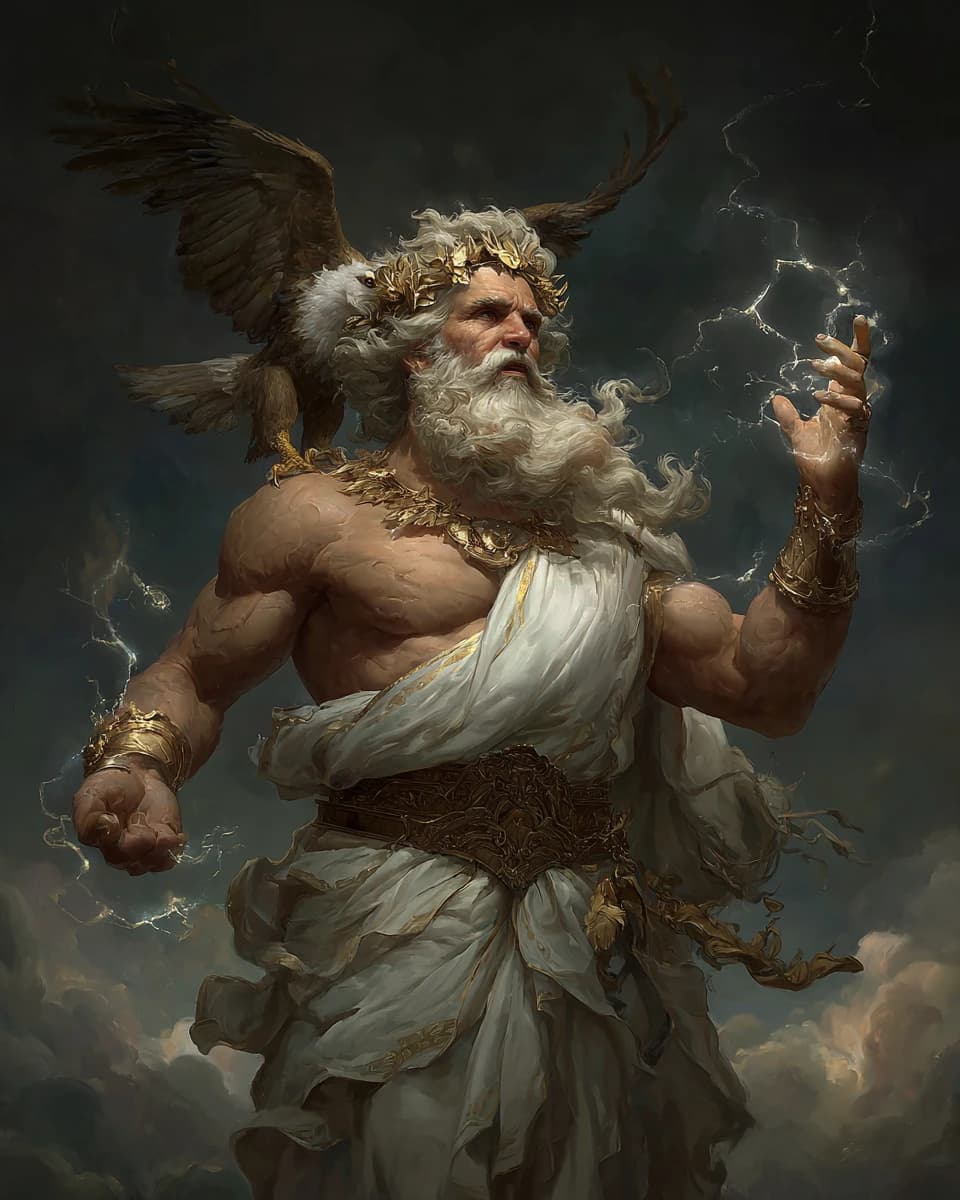
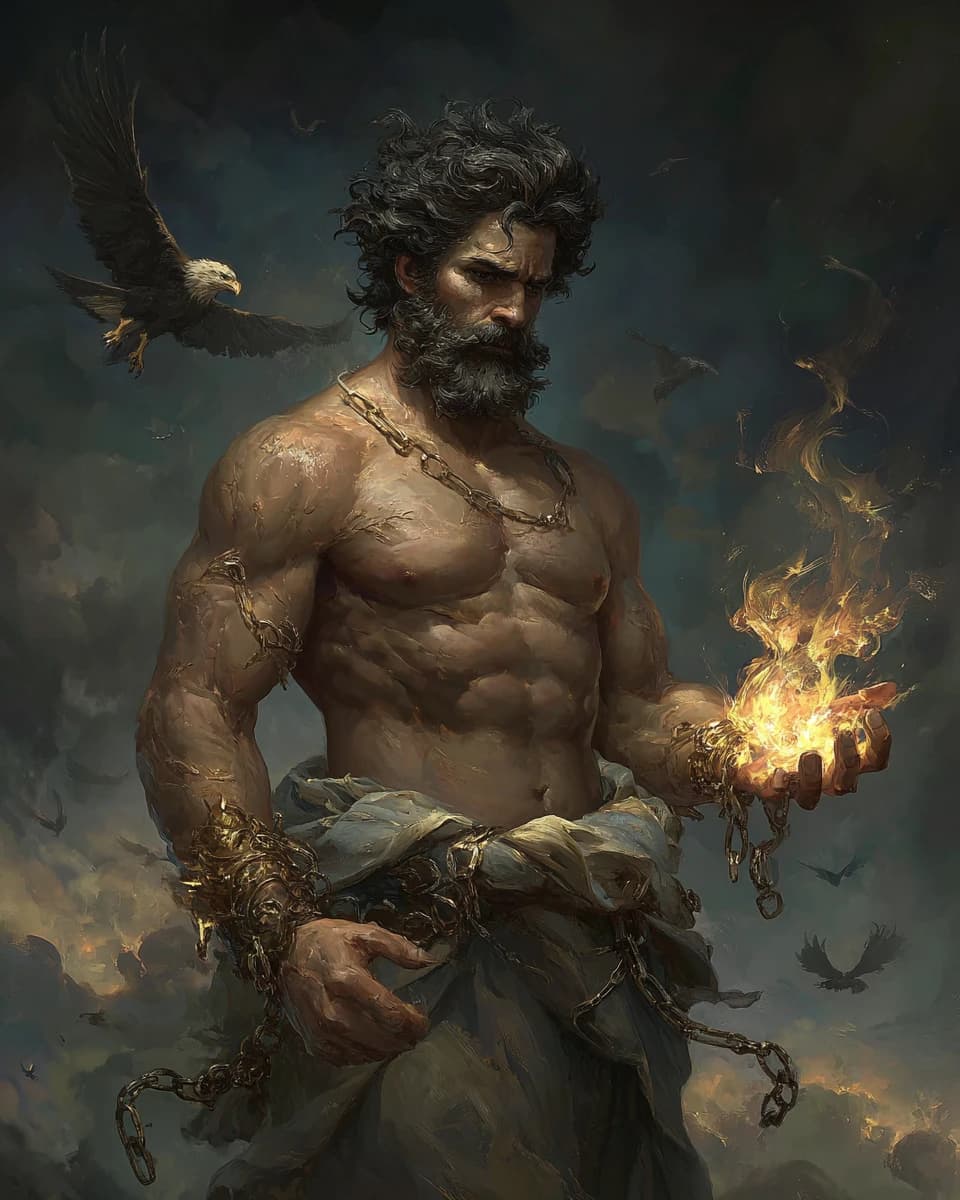
Zeus ended the Titans' age in a war that rearranged the geography of reality. The Titanomachy wasn't a battle, it was a restructuring. Atlas still holds the sky, which I have always found less like punishment and more like a permanent reminder of what happens when you pick the wrong side. Prometheus gave humanity fire, which was the first time anything divine made a decision I found genuinely admirable. He paid for it. Admirable decisions usually cost something in this universe.
Then came Olympus. Then came Zeus. He looked at the territory his father's generation had built, that contested fragment of the murdered Landlord's will, and decided it should belong to him. All of it. Not just the sky. All of it. The deal, the other pantheons, the agreement. None of it existed in Zeus's universe. There was Zeus, there was what Zeus wanted, and there was a thin strip of inconvenience between them. I have met him three times. The third conversation was almost tolerable.
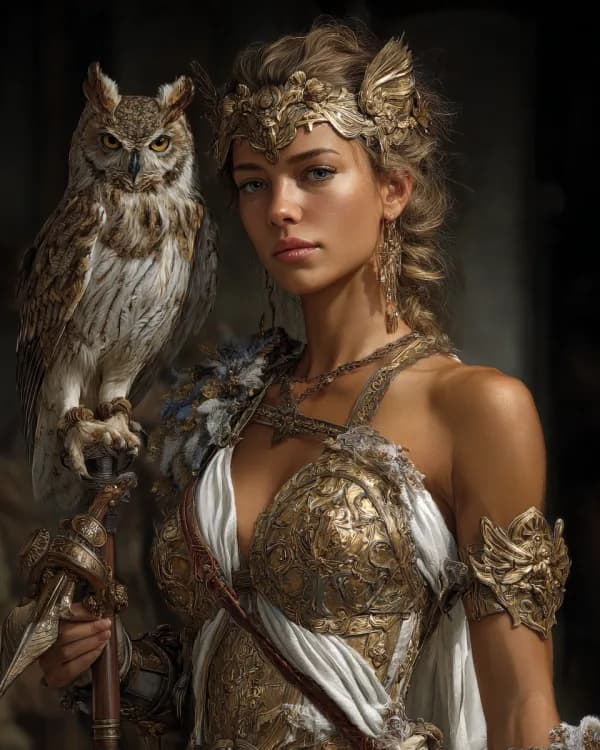
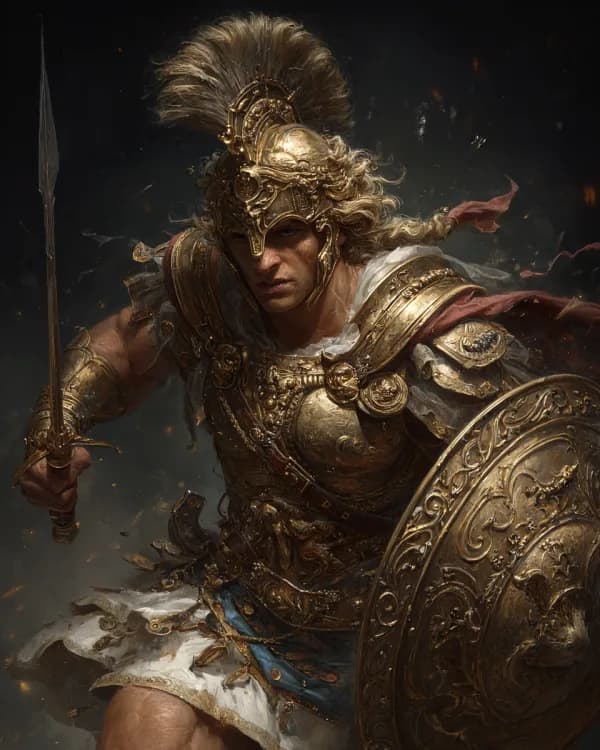
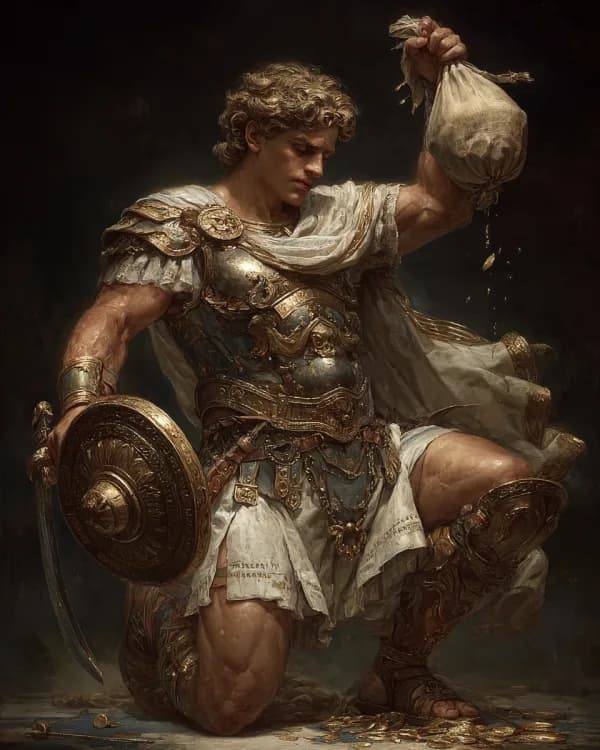
The Greeks are built on tempo. On punishment. They don't wait, they strike, correct, and strike again. Achilles does not negotiate. Athena does not blunder. Every card they play is a statement about what the price of your mistake will be. Make one and you'll know it immediately. Make two and the match is probably already over.
The Olympians are the most dangerous faction on this board for one reason: they are the only ones who have already tried to end the deal and come close to succeeding. The Titans built something that lasted. The Olympians broke it and called themselves gods for doing so. They don't forget what they are capable of. Neither do I.