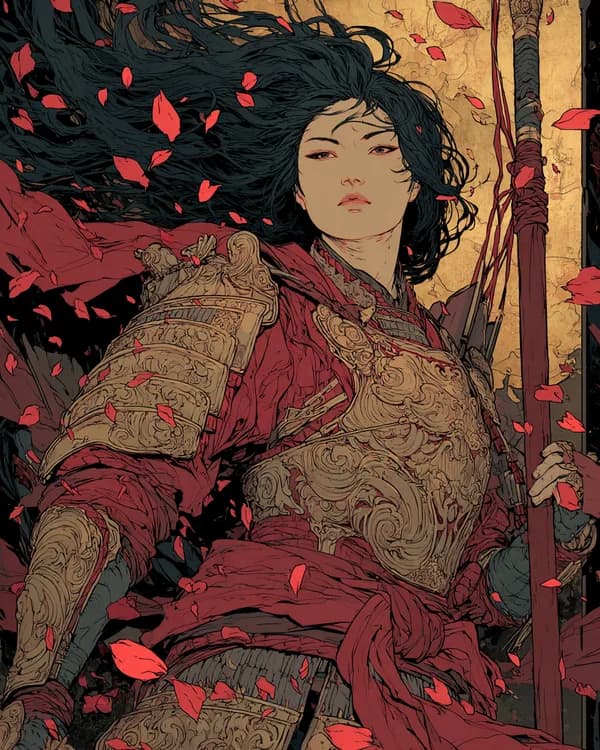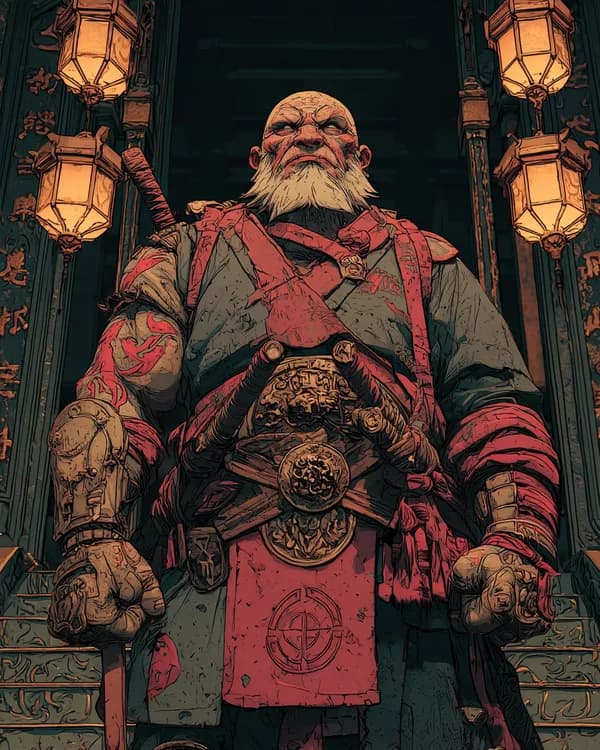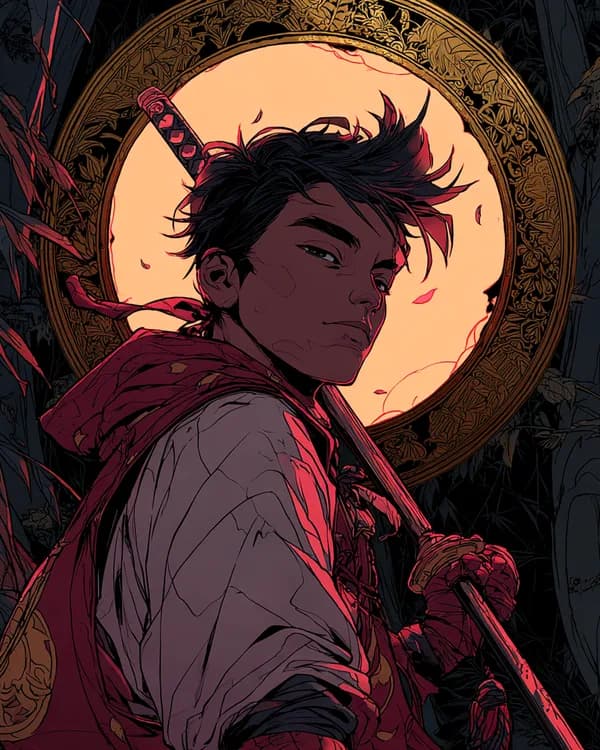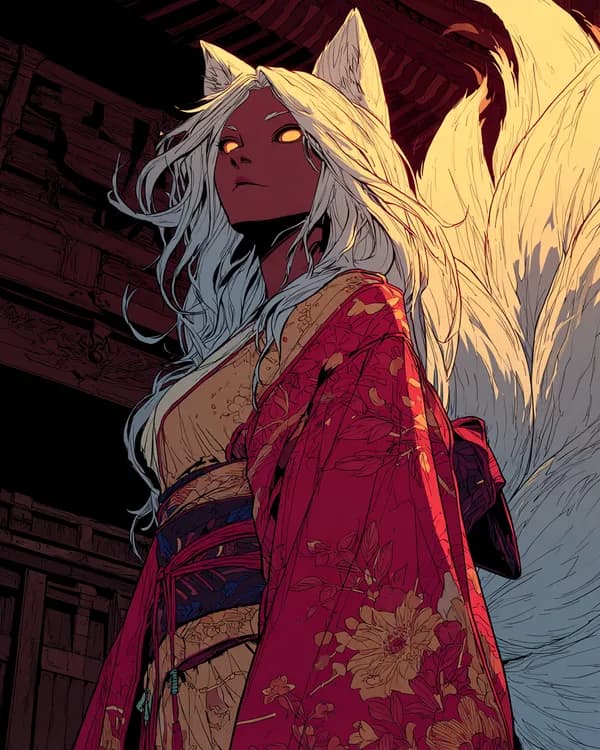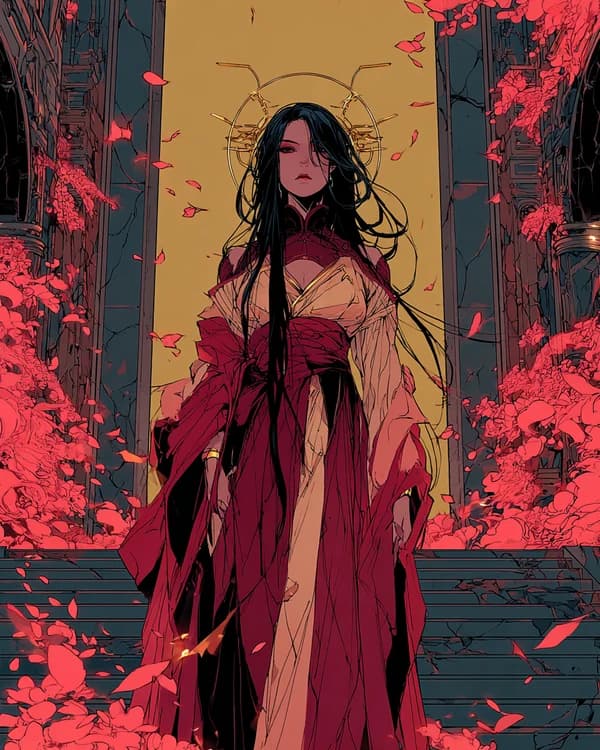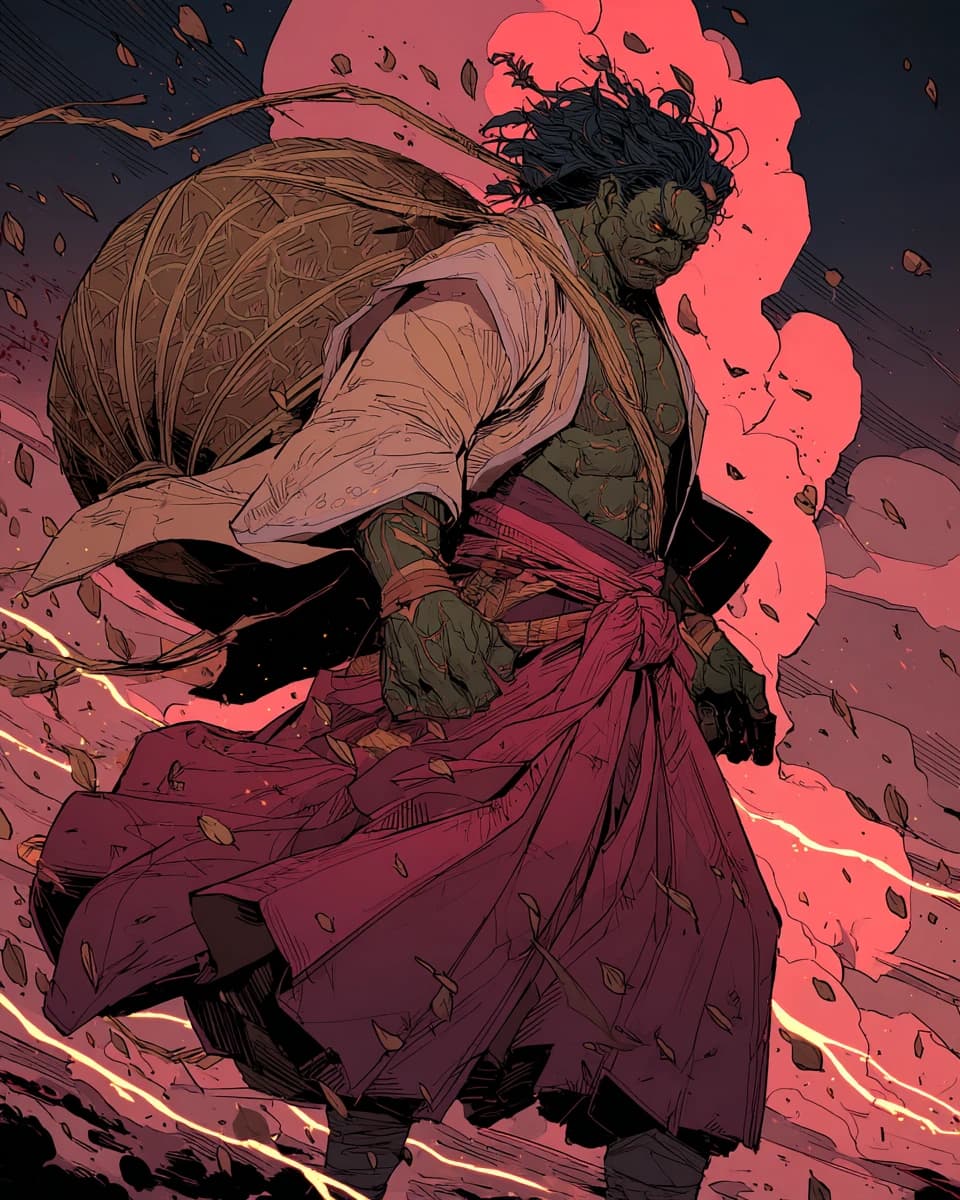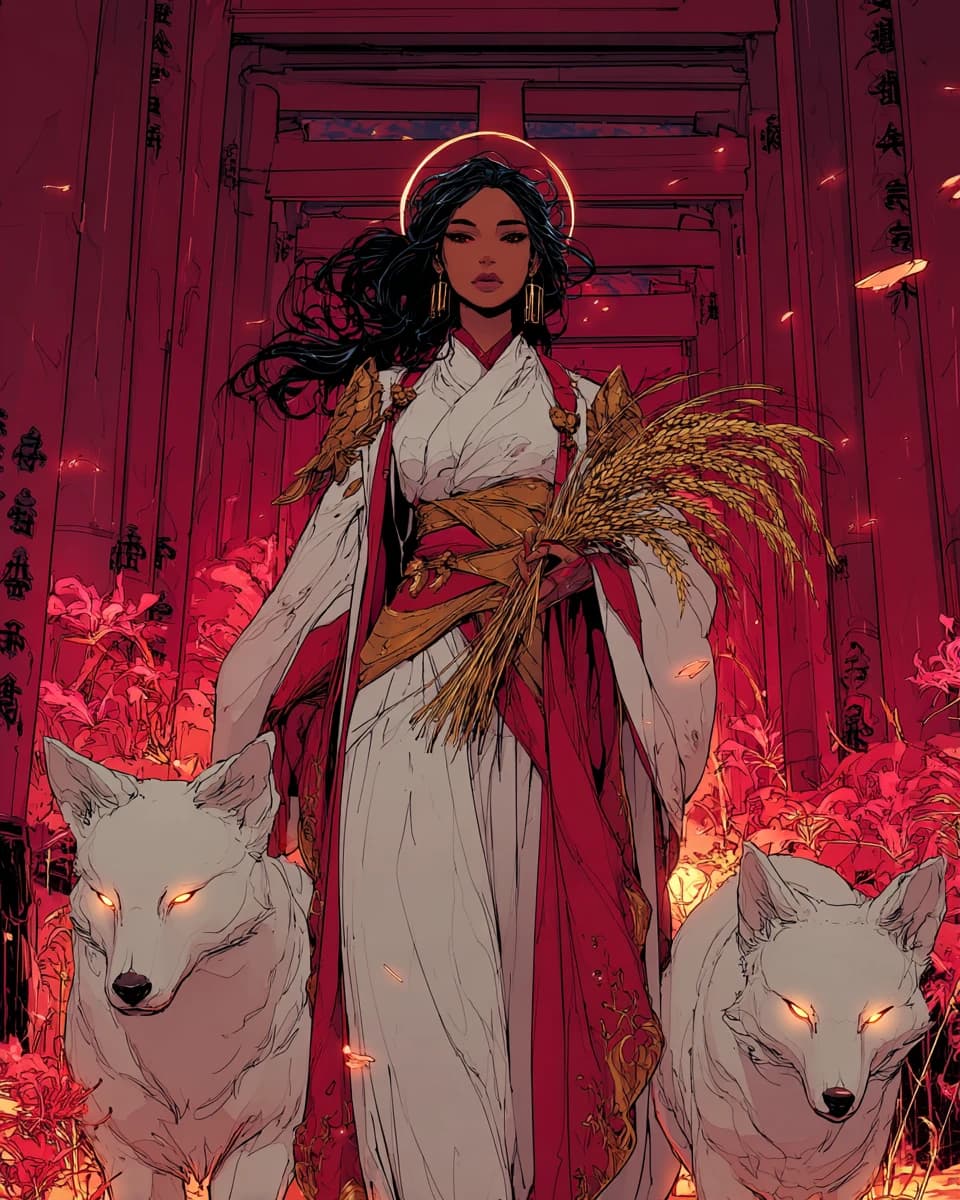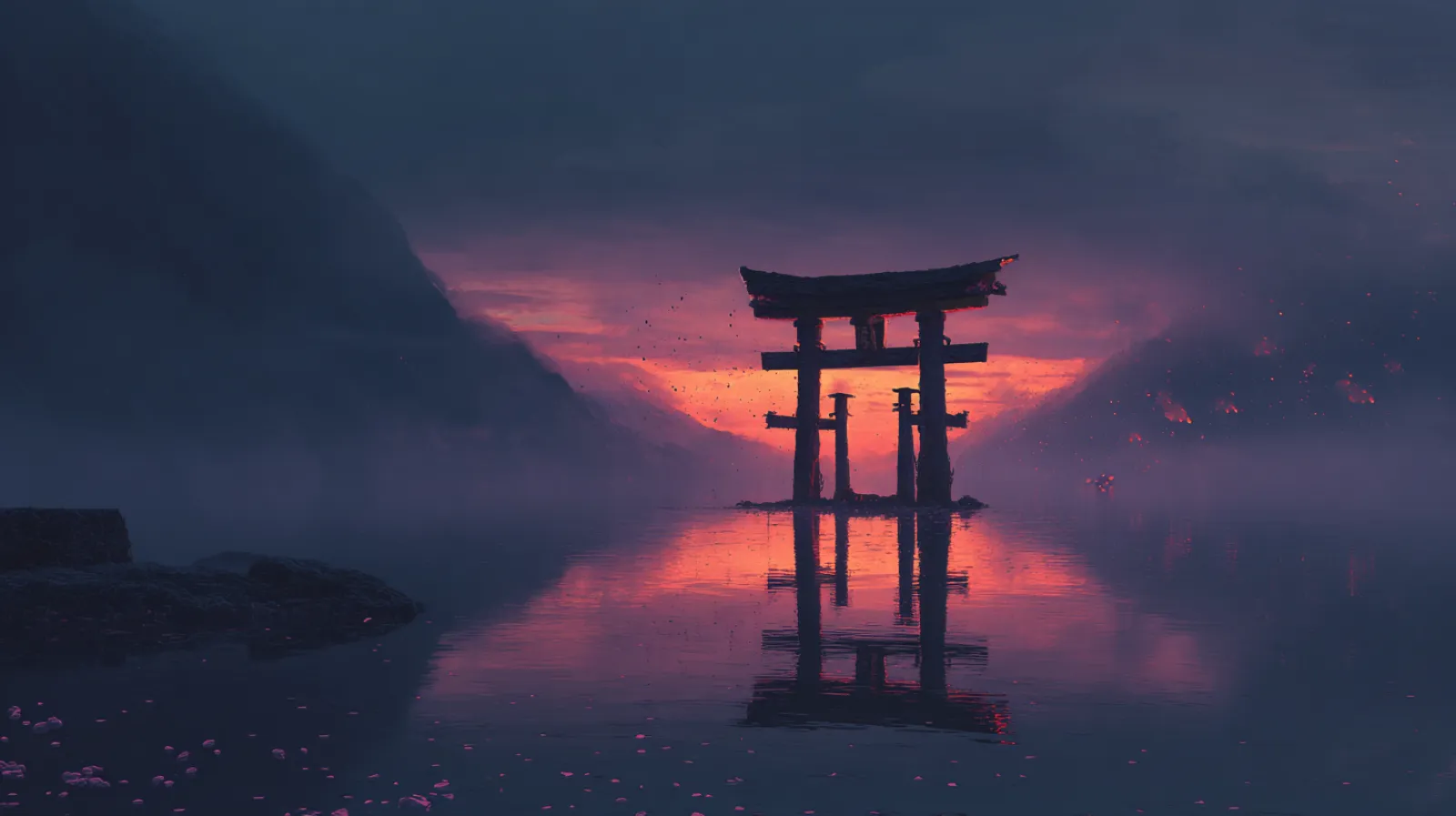
Of all the pantheons I have spent time observing, the Japanese are the ones who have most successfully made me feel as though I don't know what I am doing. This is not a common experience for me.
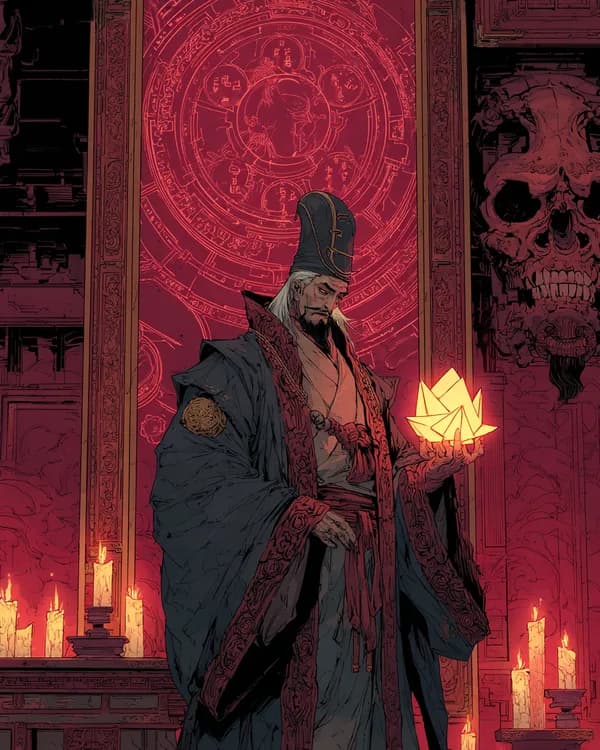
The kami system is not a hierarchy. It is a network. Every river, every mountain, every inexplicable silence in a forest at dusk, kami. The mundane made sacred, the sacred made mundane, with no clear line between them and no apparent interest in drawing one. I once spent six months in Takamagahara trying to understand the organisational logic and left more confused than I arrived. It functions. I cannot tell you why.
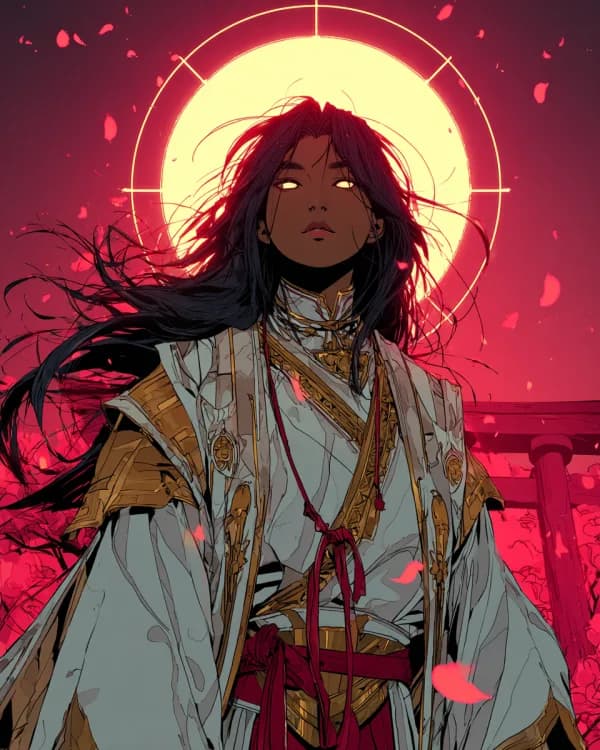
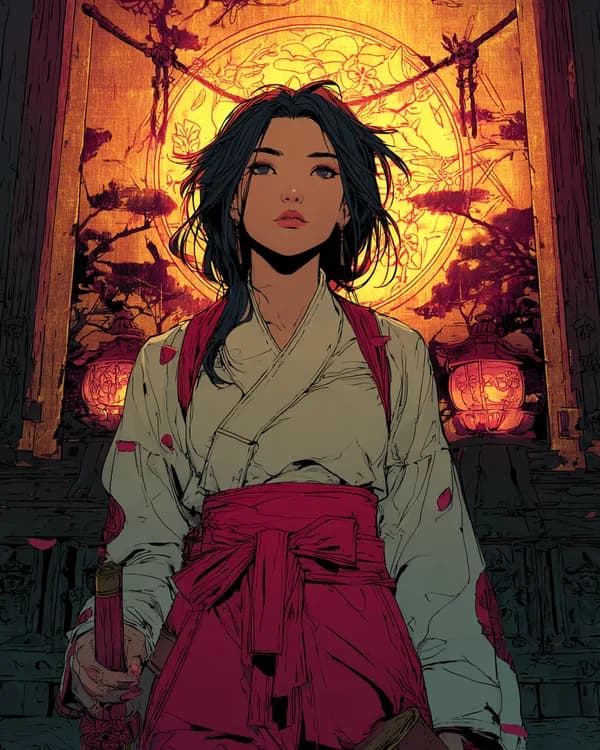
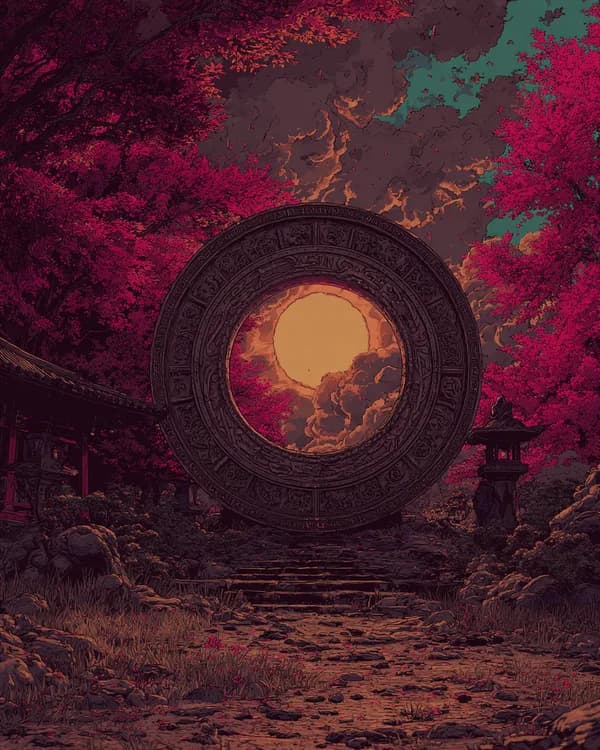
Amaterasu is the sun. Not a sun god. The sun. There is a difference, and the difference matters. She does not represent the light. She is the light. When she withdrew into her cave and plunged the world into darkness, the world didn't dim. It went dark. Because she had not delegated her power. She was it.
They play control. Patience. The kami connections build slowly, and then suddenly everything is connected to everything else and your board is collapsing under the weight of abilities that have been accumulating since turn two without you noticing. The moment you realise what they've assembled is usually the moment it's already over.
I find this quality in a pantheon both admirable and annoying. Often simultaneously. Frequently in the same turn.