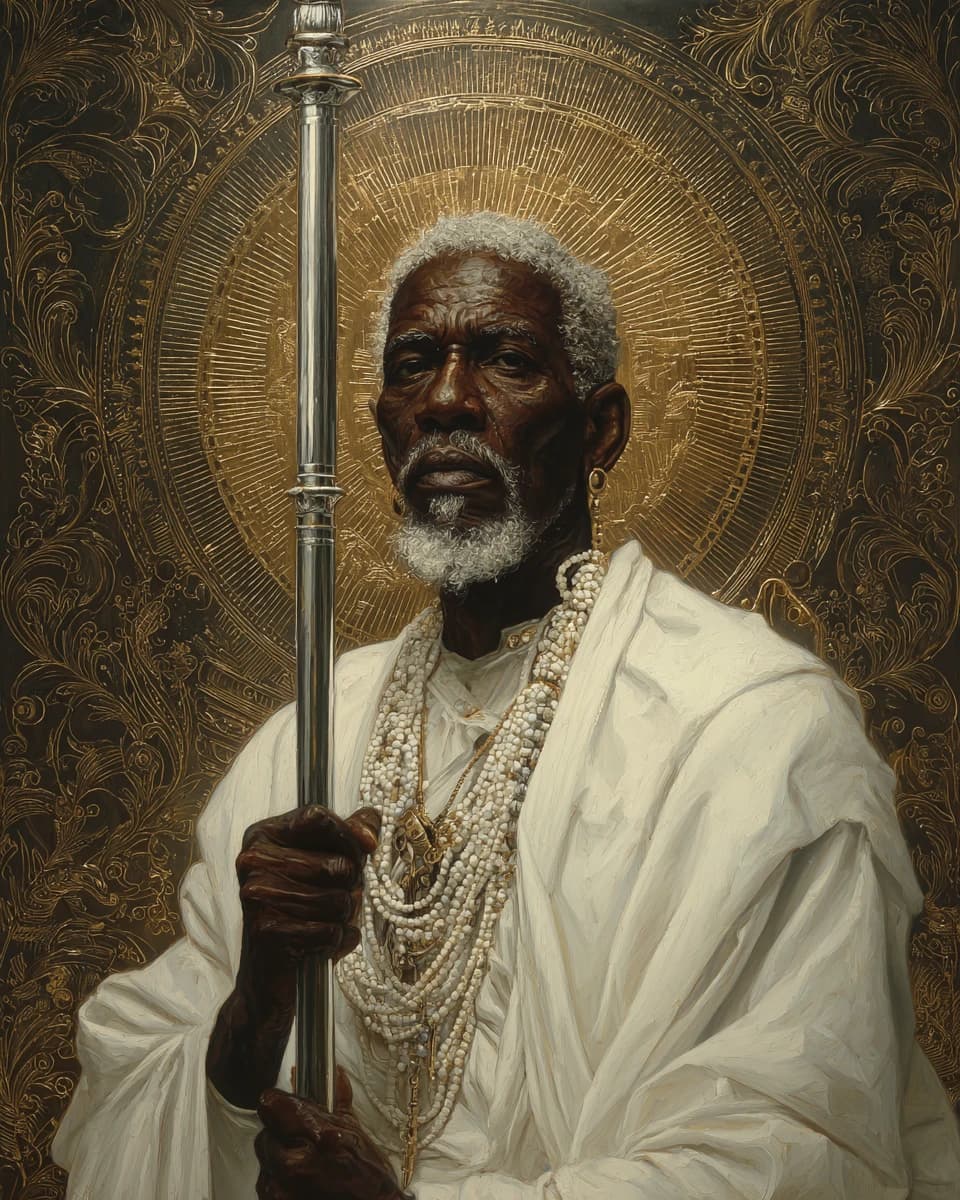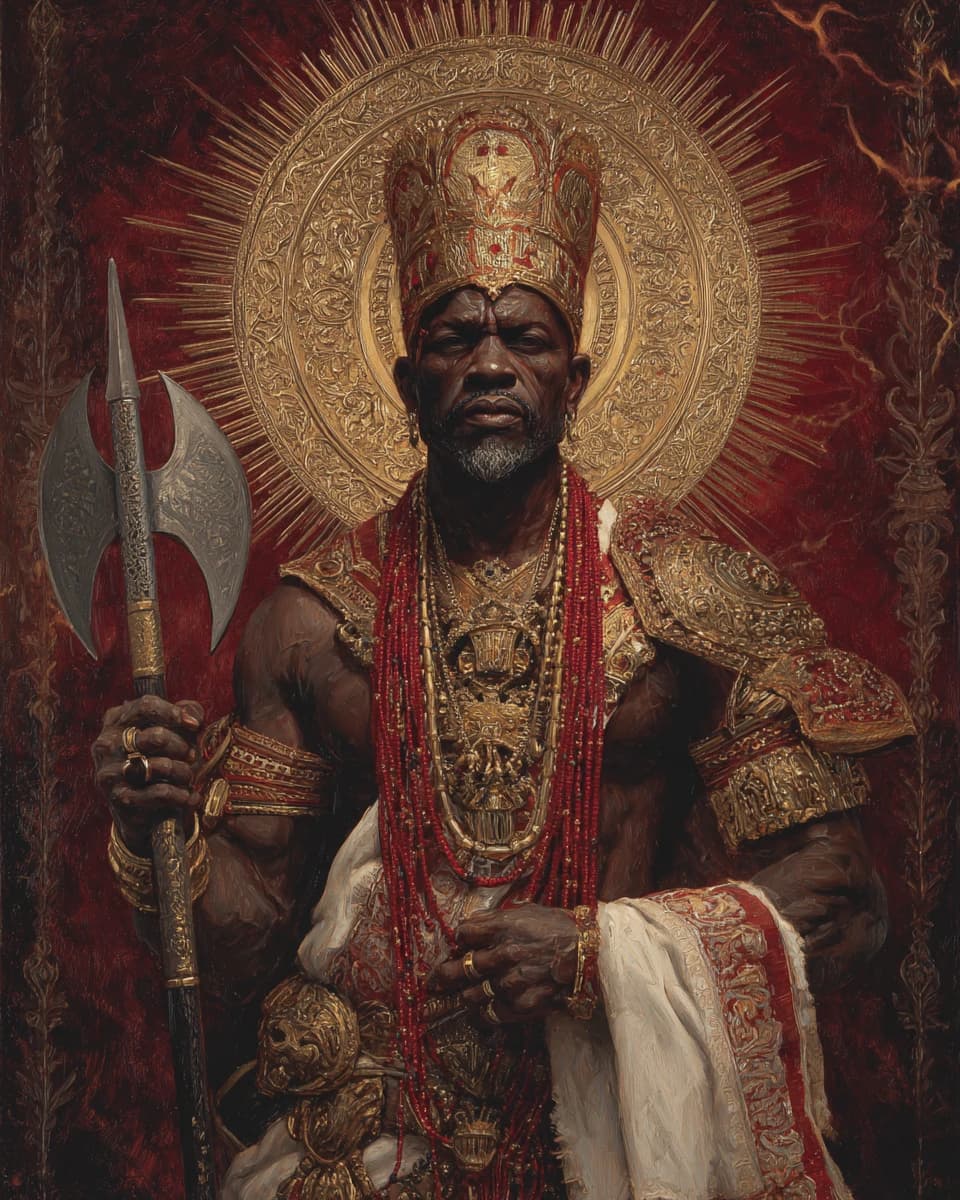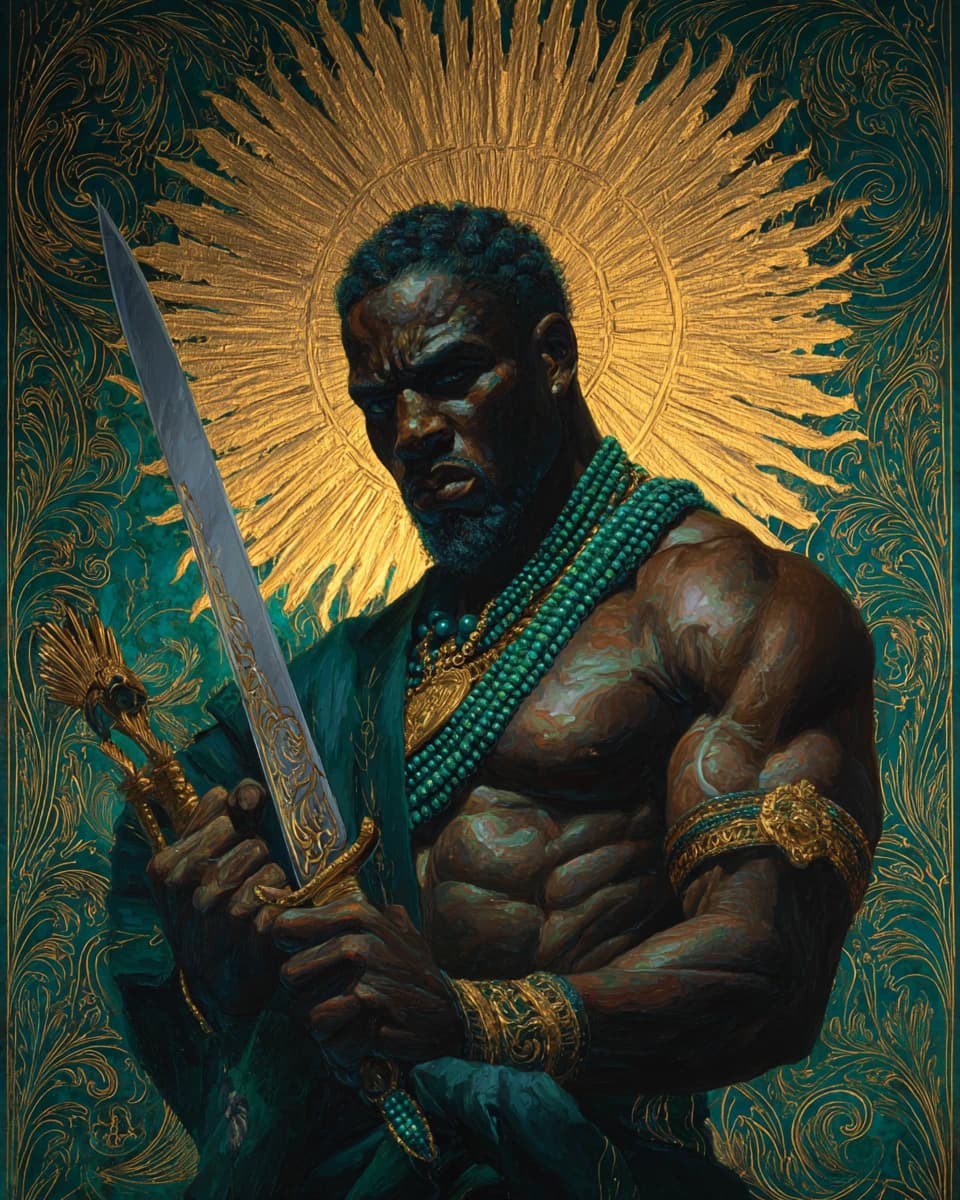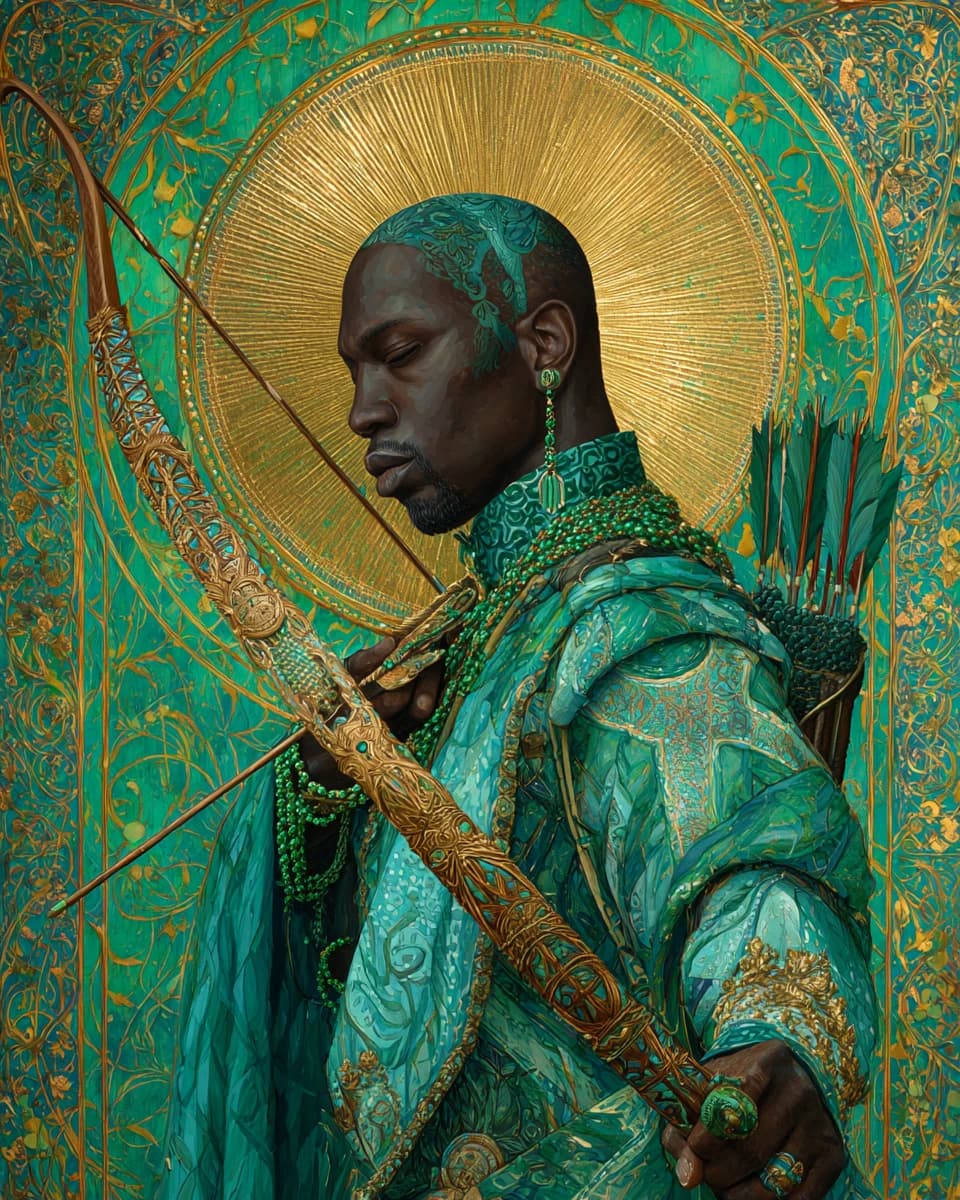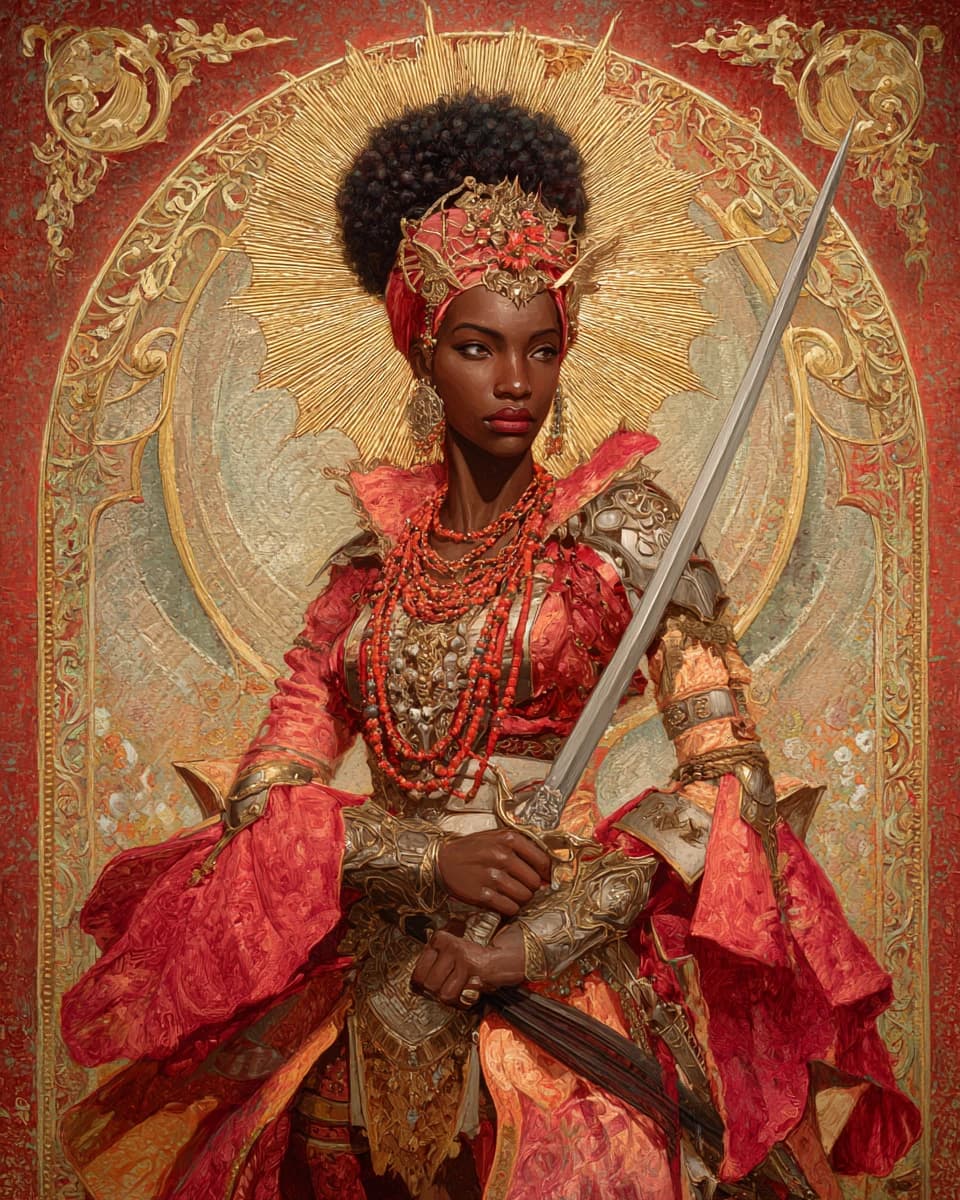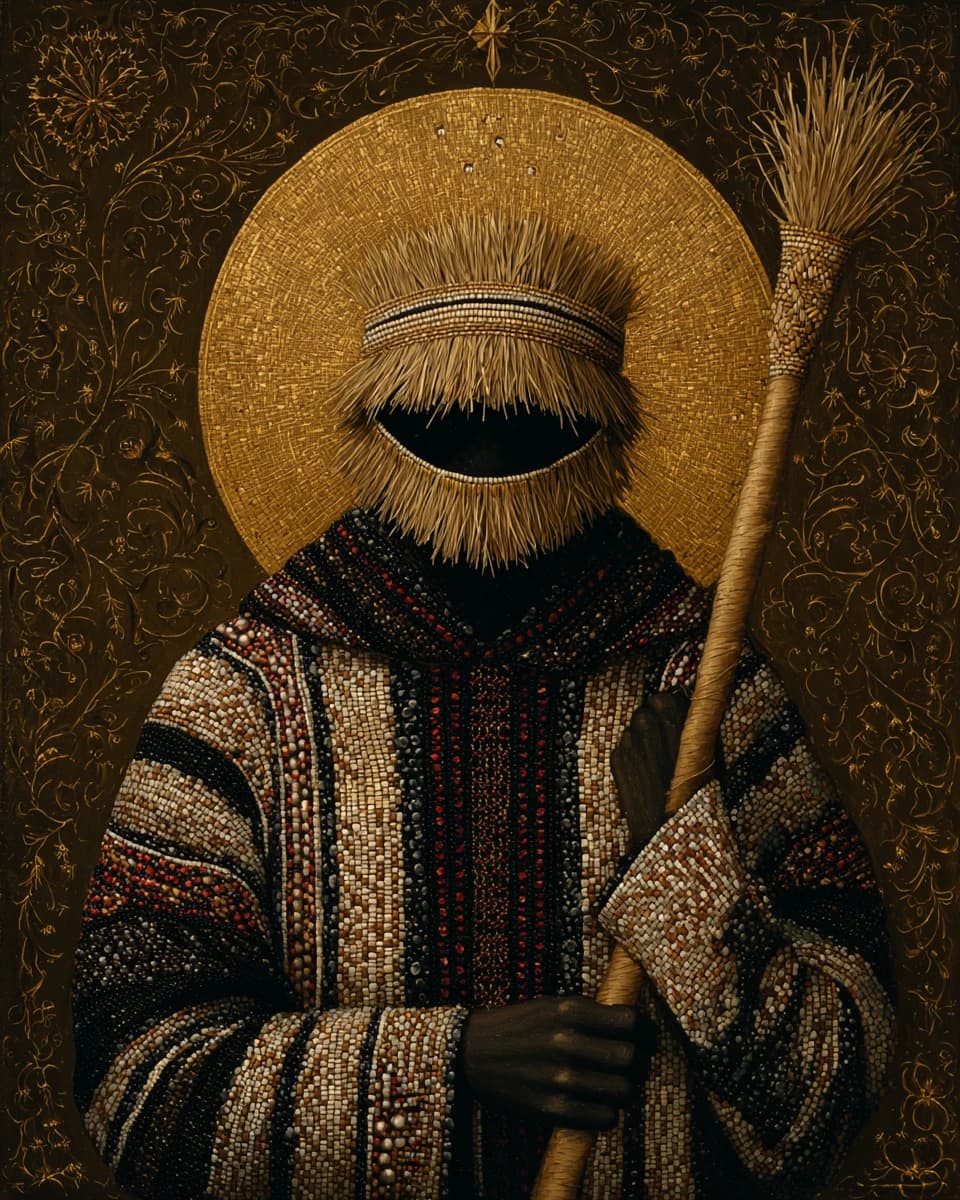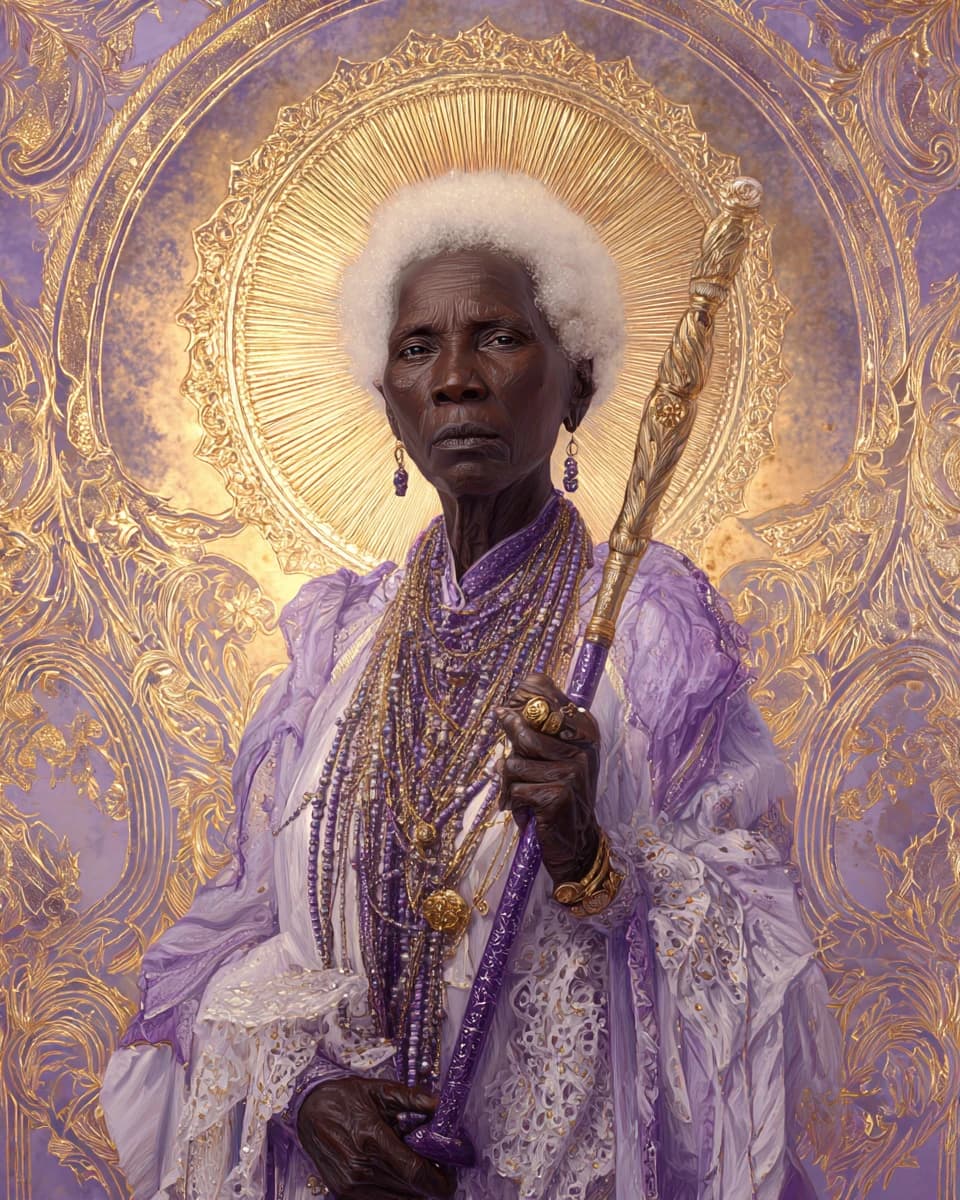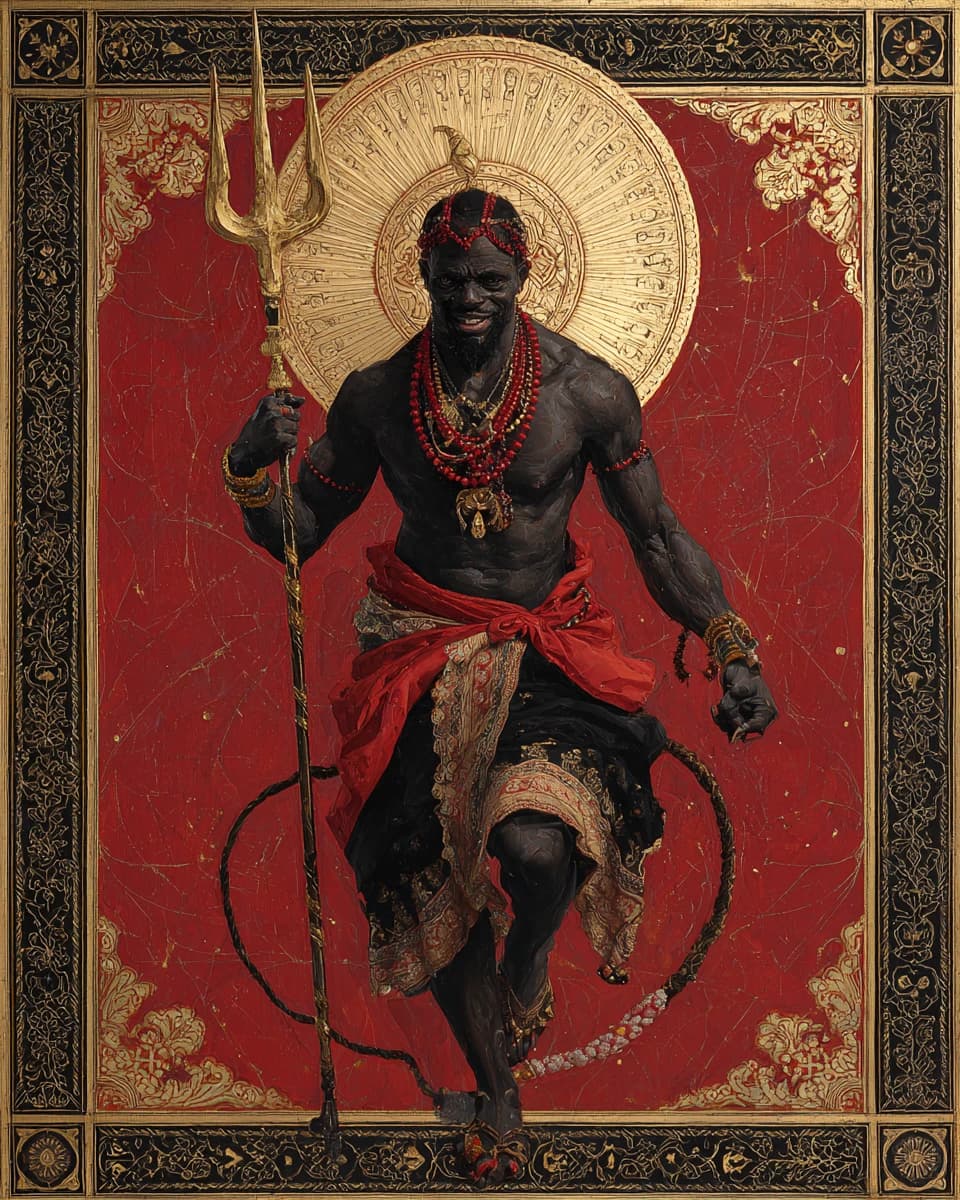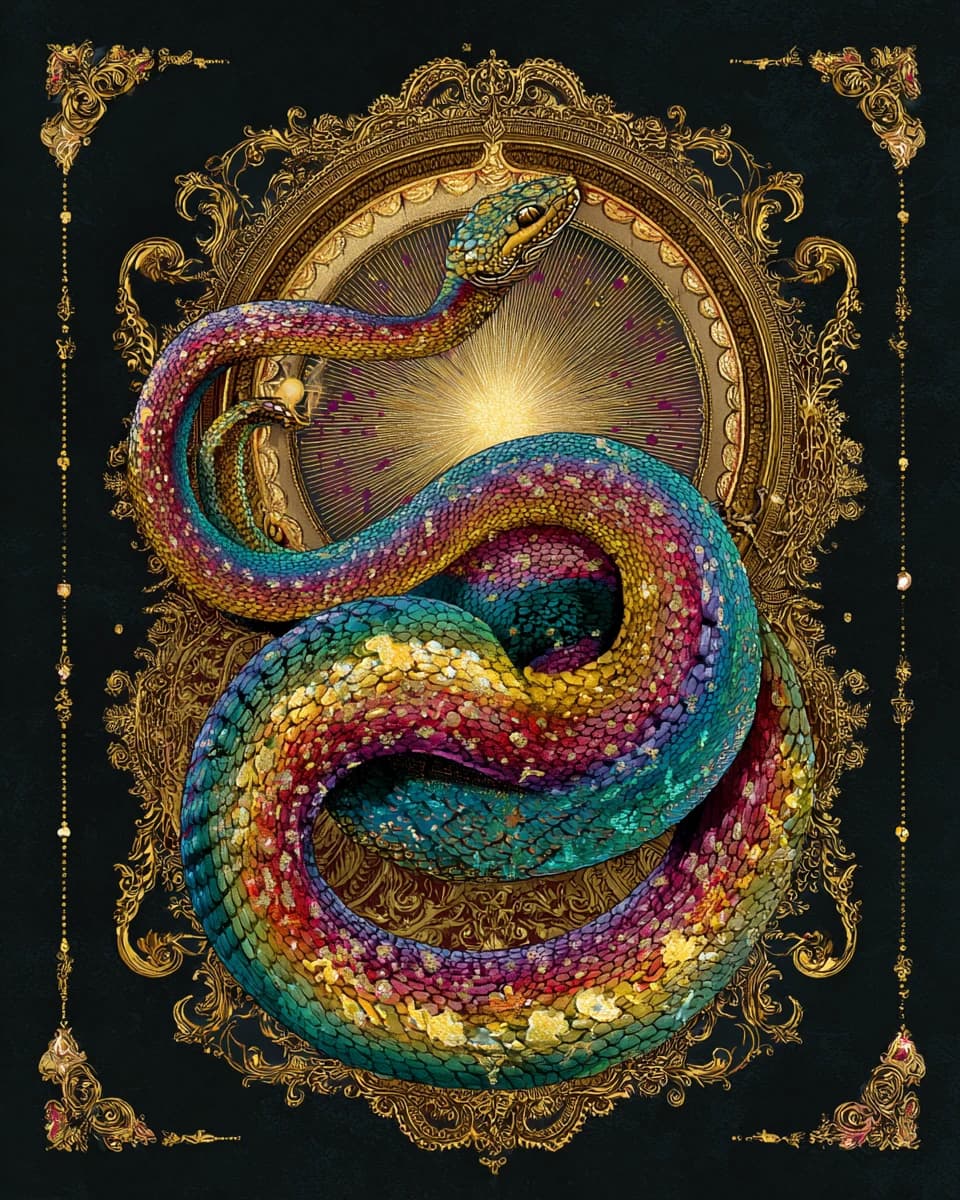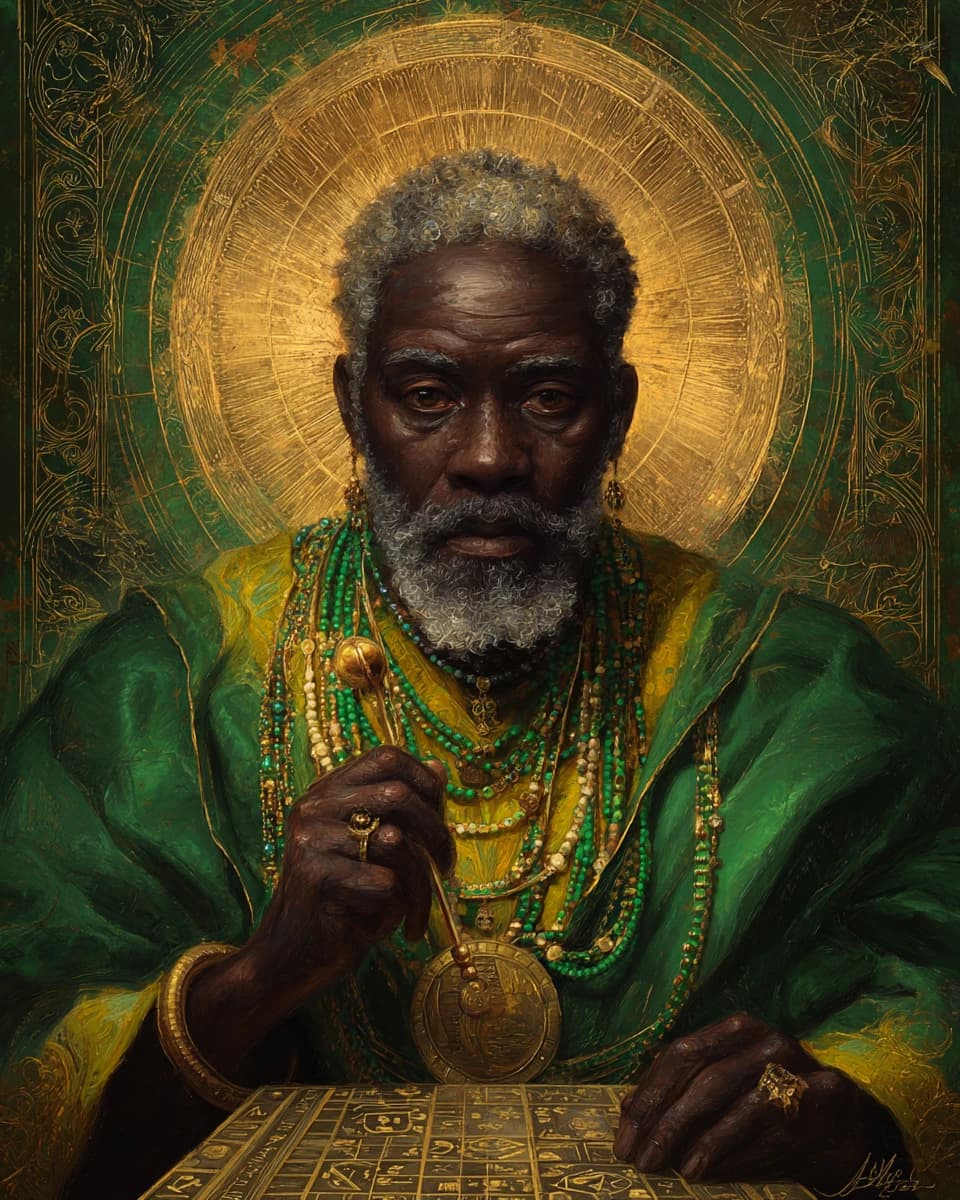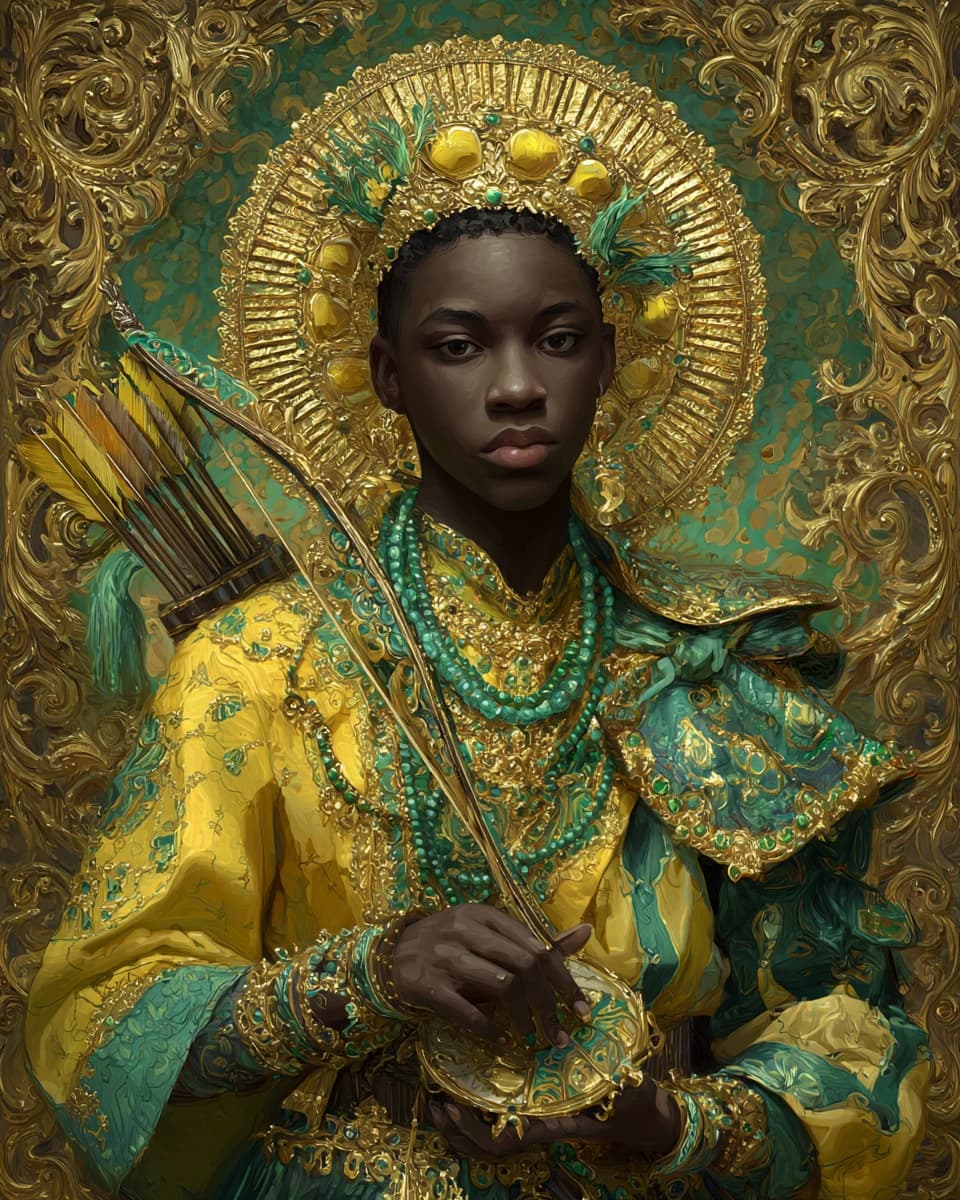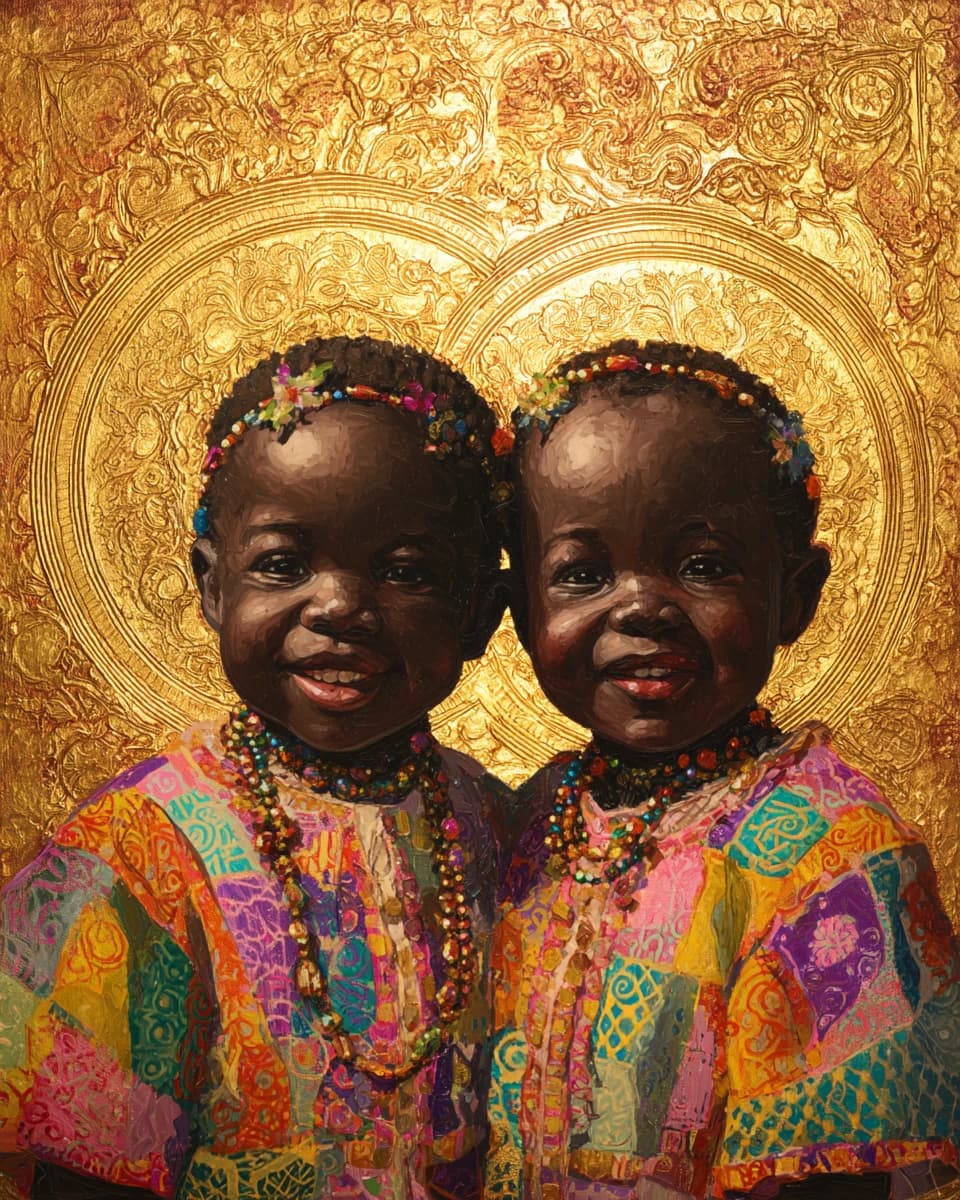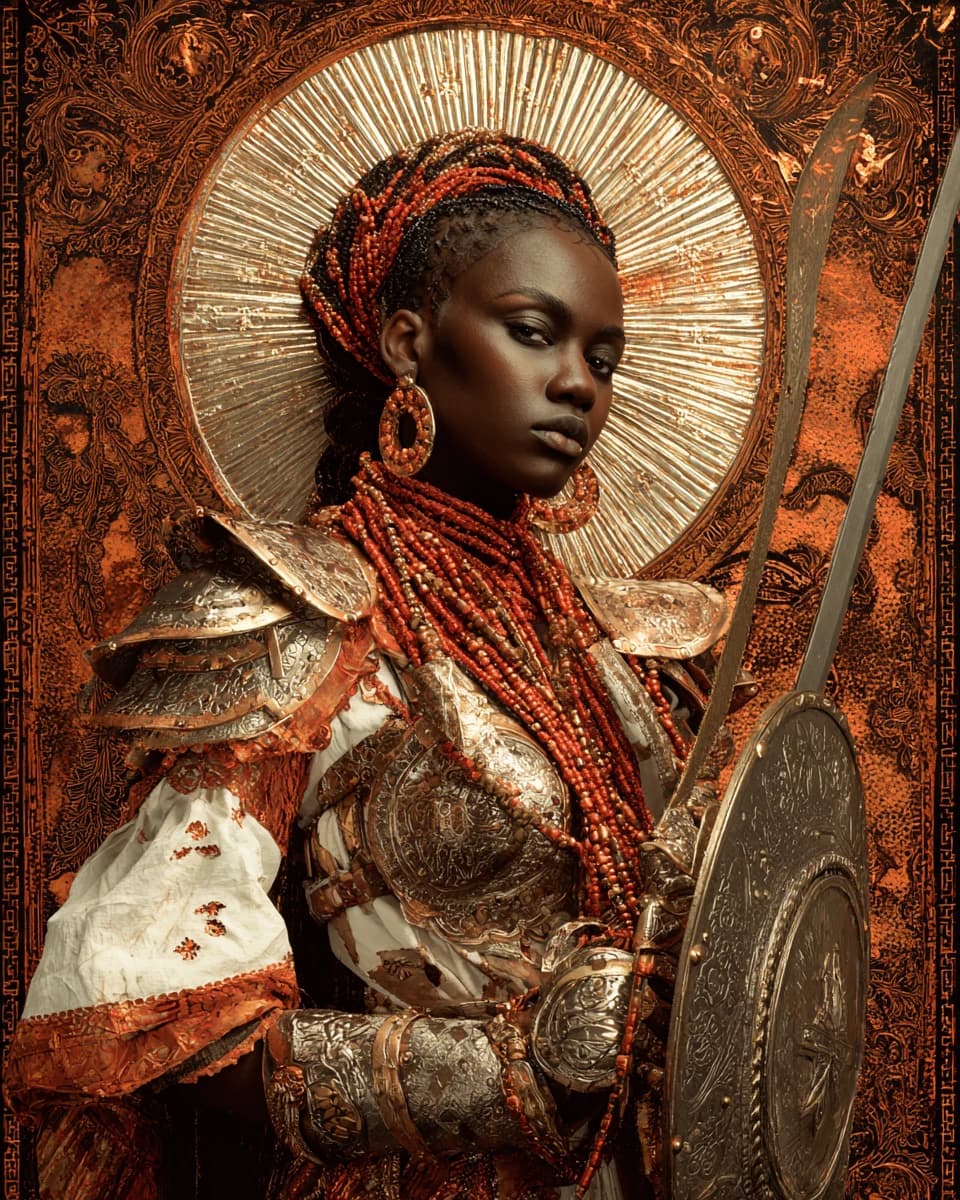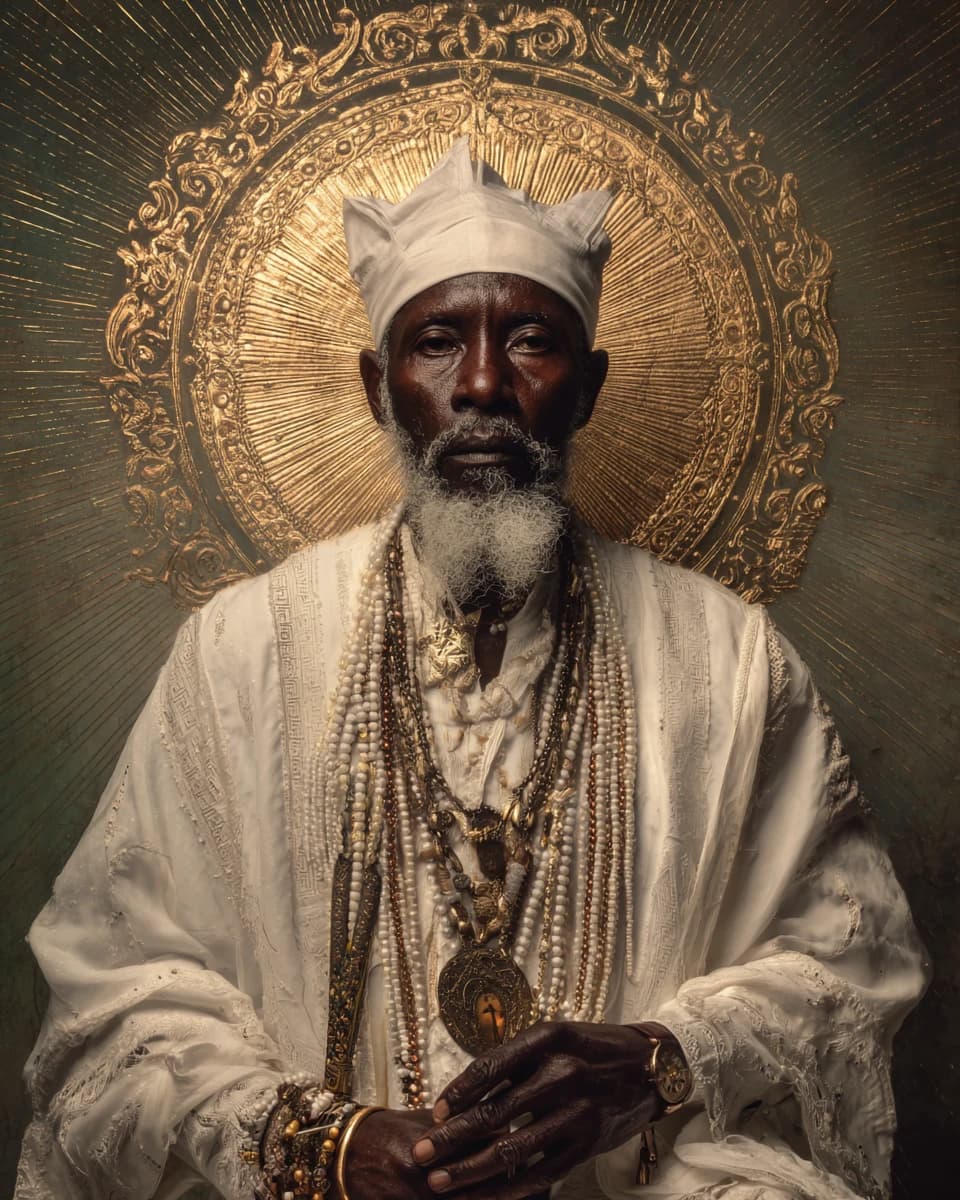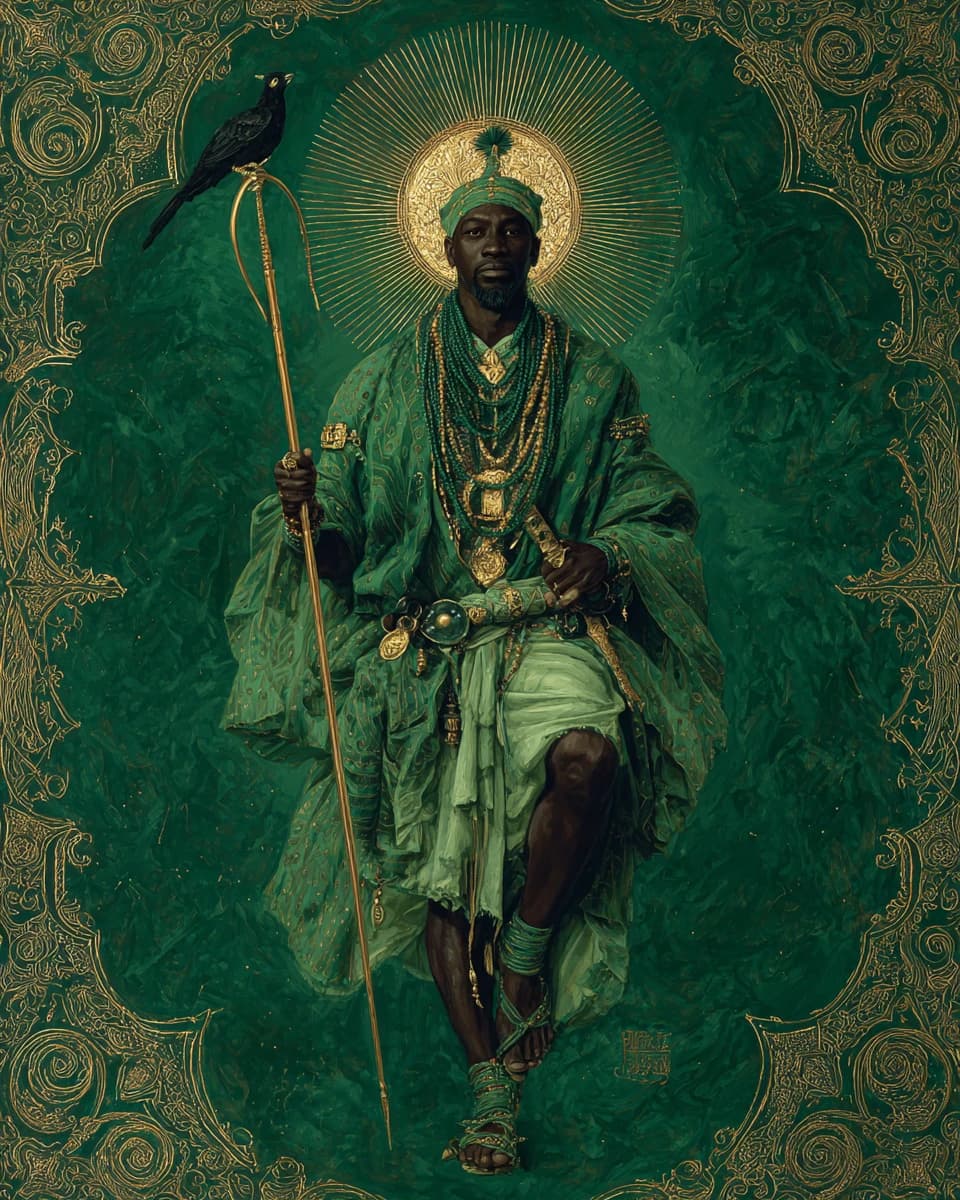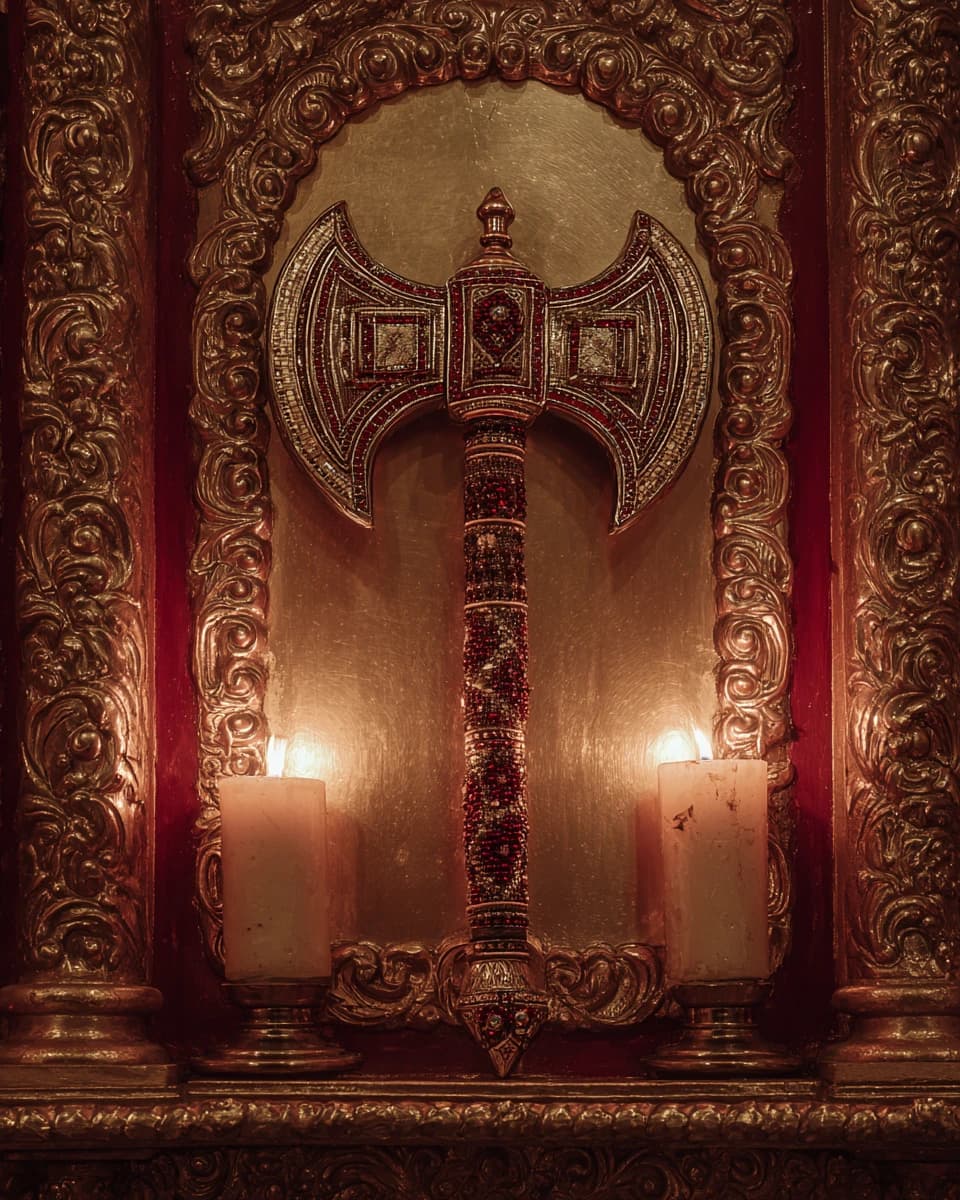
Let me begin with the thing every other entry in this record does not have to say, because it is the most important thing about the Orixás and the one most likely to be gotten wrong: they are not dead. They are not faded. They are not a museum exhibit of a faith that lost its worshippers somewhere back in the long twilight. People are praying to them right now, today, in living rooms and terreiros and on beaches at the turn of the year. I want you to hold that in your mind the entire time you read what follows.
The Orixás came across an ocean they did not choose to cross. That part of their story I will not make light of, it is one of the few histories on this board uglier than my own employer's hiring practices. What I will tell you is what happened on the far shore: they were forbidden, so they hid. They wore the masks of other people's saints and kept their own faces underneath, and they did not merely survive the disguise, they grew inside it. That is a specific and rare kind of power. Most gods need to be seen. These learned to move while unseen.
And movement is the whole of them. Axé, the word is theirs, is the living force that flows through everything, and it does not sit still. Each Orixá is a current. Iemanjá is the sea that takes what it likes and returns what it chooses. Iansã is the wind that scatters. Oxum is the river that carries gold downstream. They do not plant a flag and dare you to take it. They decide where the flags go.
Then there is Exu, and I am going to be very clear because clumsy people have been wrong about this for four hundred years: Exu is NOT the devil. He is the messenger. The opener of ways. The lord of the crossroads, the one you greet first because nothing reaches the other Orixás unless he carries it. People who met him at a fork in the road and could not imagine a god of thresholds painted horns on him. They were lazy, and they were frightened, and they were wrong. I have stood at a few crossroads myself. He was better company than most of the saints.
On the board they play movement, and it is unlike anything else here. Every other pantheon asks: how do I win this Location? The Orixás ask: who said your cards get to stay on it? They move yours. They scatter your line. They carry their own where they're needed and leave you defending ground that no longer matters. Fighting them feels like trying to hold water in your fist.
I treat this pantheon with care, and I would advise you to do the same, not from superstition, but from manners. They are someone's living gods. Mock the others all you like; they're not listening. These ones might be.